Germany's federal government will spend €2.58 billion on culture and media next year, about €220 million more than originally planned. The budget, due to take effect on 1 January 2027, earmarks €280 million for the KulturInvest programme for cultural buildings and monuments.
Days before Frieze Abu Dhabi opens on 19 November, exhibitors are openly voicing unease about travelling to the Gulf amid the US war in Iran and Houthi attacks, though the fair, the Public Art Abu Dhabi Biennial and Nomad are all still set to open as planned.
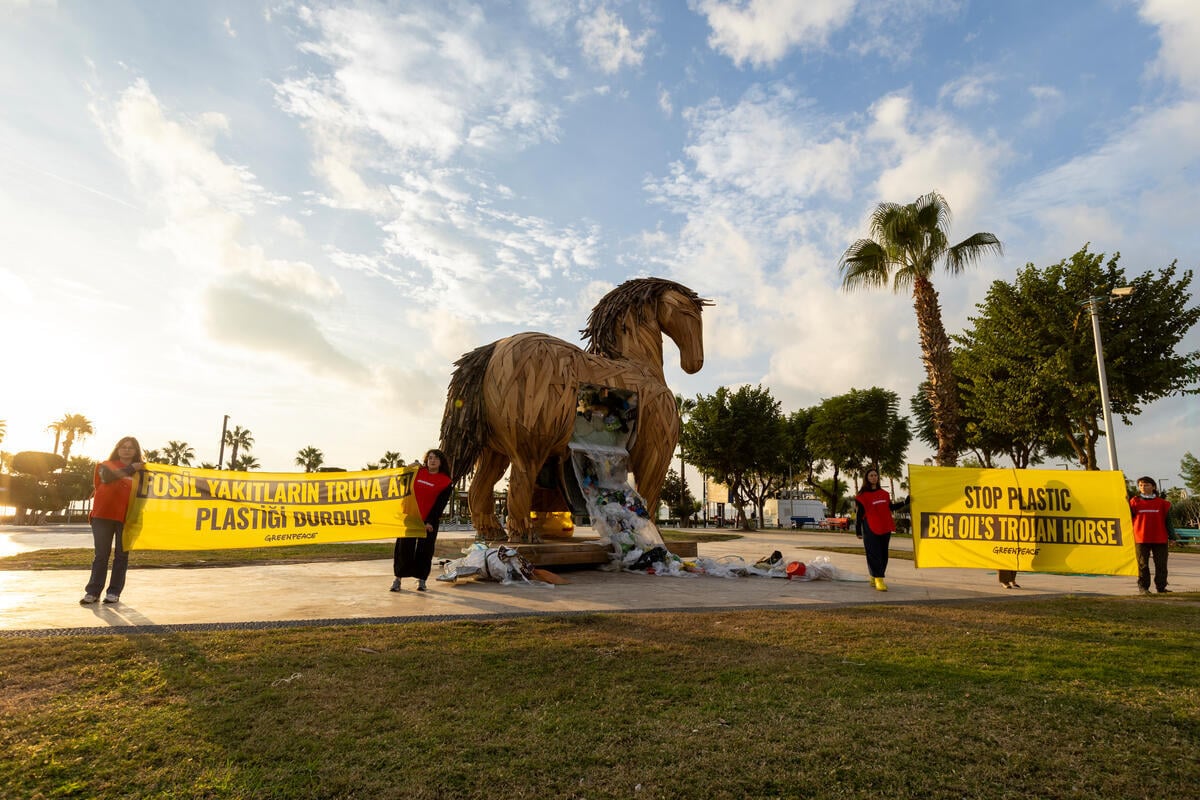
Greenpeace and Danish artist Thomas Dambo unveiled a six-metre wooden Trojan Horse in Antalya during the COP31 climate summit, its belly trapdoor opening to pour out plastic waste as a protest against fossil-fuel driven plastic expansion.
Cuban-born artist Diango Hernández says his works were barred from West Bund Art & Design in Shanghai three days before the fair opened, after the fair cited a decision by the city's culture bureau over unnamed social media posts. His Milan gallery, Wizard, withdrew from the fair entirely rather than show without him.
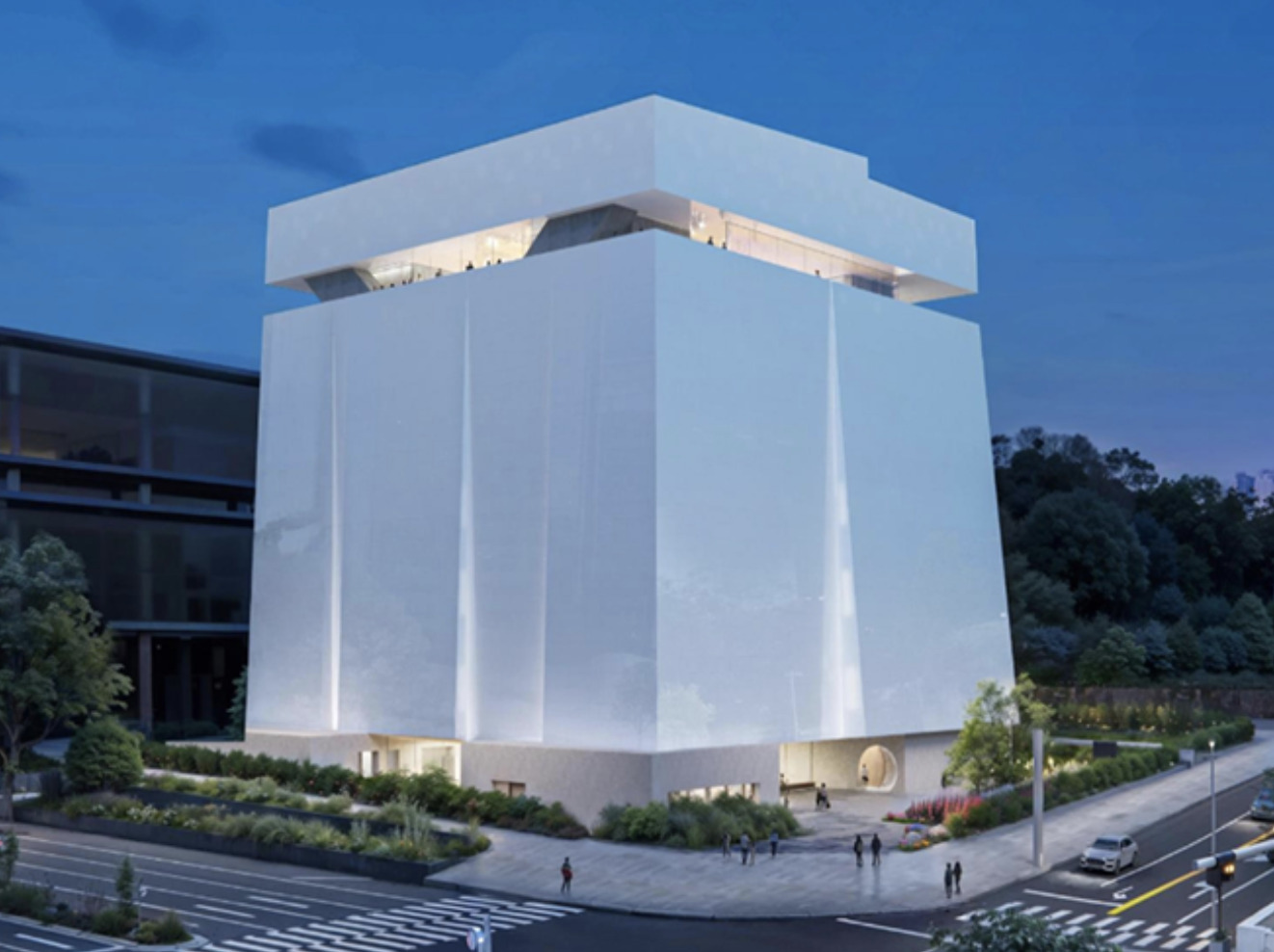
Seoul has approved a major cultural quarter in the Seoripul district, with a performance complex and a museum designed as an open-access storage facility, due for completion by 2030.
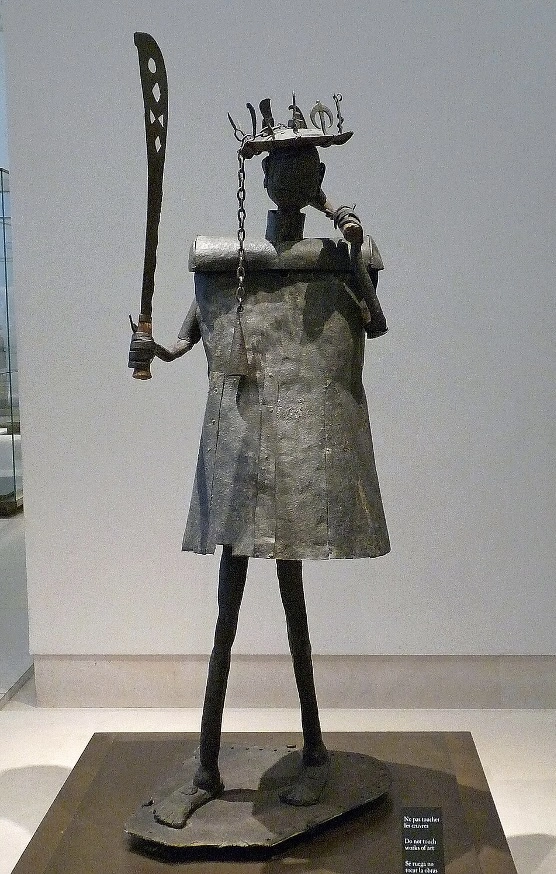
France's law of 9 May 2026 replaces parliament's case-by-case votes on restitutions with a permanent procedure in the heritage code — a change now facing its sharpest test in Benin's claim for the iron statue of Gou, moved out of the Louvre's galleries in March.
A coalition of 1,200 Tribal Nations, preservation, environmental and civil rights groups has written to House Democratic Leader Hakeem Jeffries urging the House not to vote on the Senate's nearly 500-page permitting bill, warning it would strip public participation, Tribal consultation and court remedies from decisions affecting historic places.
The Musée d'Orsay has opened a permanent room for 225 works believed to have been looted by the Nazis, putting the question of their true owners at the centre of the display. France still holds a large group of artworks recovered after the Second World War whose owners were never traced.
Artnet's partnership with prediction-market platform Kalshi, announced on 11 November, has drawn swift scorn from artists and curators on Instagram, while art advisers are more divided about whether betting on auction results has any use for collectors.
Heirs of German Jewish publisher Samuel Fischer have asked Sotheby's to withdraw Van Gogh's Chataigniers en fleurs, estimated at $180 million, from its 18 November New York sale, arguing the family sold it in 1936 under pressure from Nazi persecution. Sotheby's says its research has not established duress and that it is talking to the family about a resolution, but has not confirmed whether the sale will go ahead.
Tribal organisations are urging Congress to halt the Bipartisan American Affordability and Jobs Act, which would speed up infrastructure permitting by narrowing historic-preservation review and removing tribal nations from much of the process, threatening sovereignty over sacred sites.
A new survey of 141 independent US arts publications finds 45% say their business models are unsustainable without profound change, and links free-speech pressures from advertisers and sponsors to funding declines.