Profile·United States
45% of US Independent Arts Publications Say Their Business Model Won't Survive
A new survey of 141 independent US arts publications finds 45% say their business models are unsustainable without profound change, and links free-speech pressures from advertisers and sponsors to funding declines.
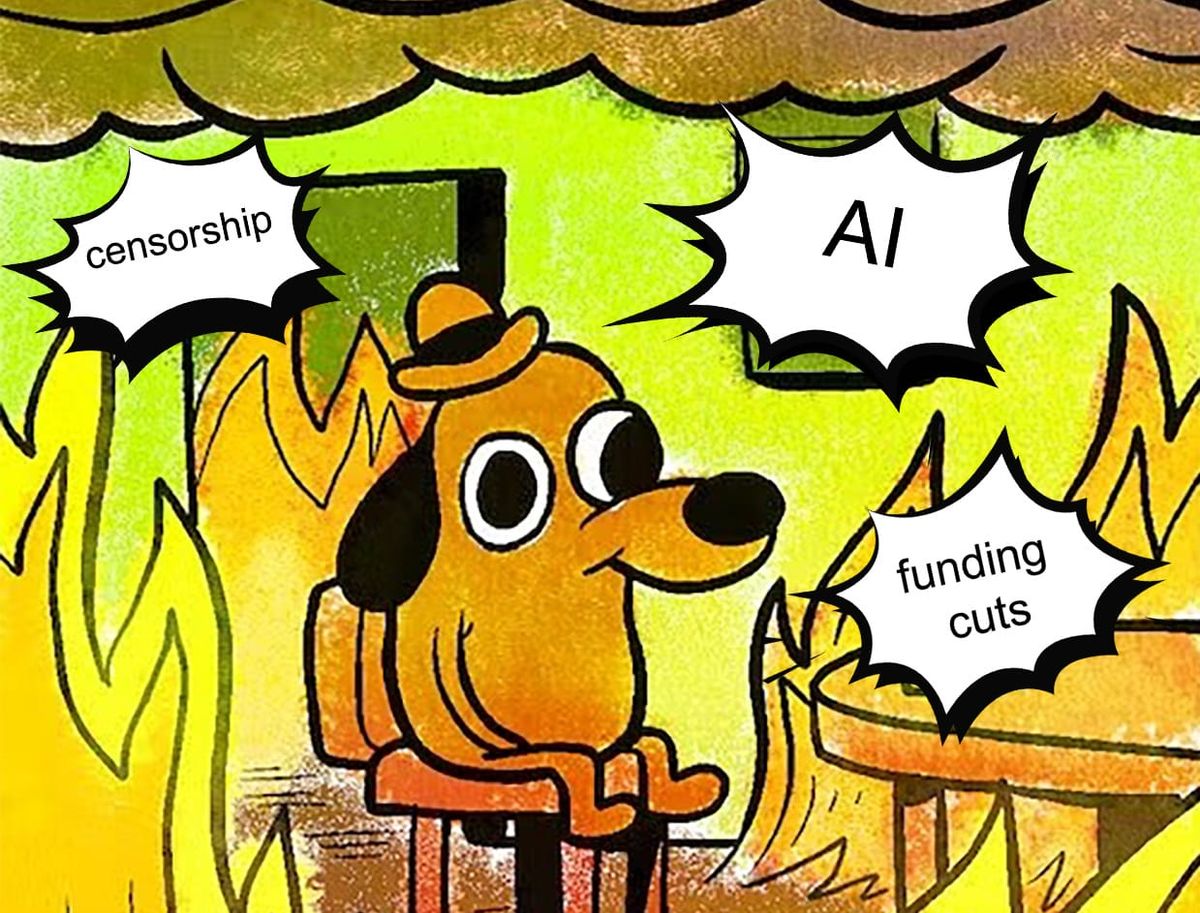
Nearly half of the independent publications covering arts and culture in the United States say their business models will not survive without profound changes to the funding landscape. The finding comes from a new report, Support for Arts and Culture Journalism, published by Critical Minded and the Dorothea and Leo Rabkin Foundation, which surveyed 141 independent arts outlets across 34 states and the District of Columbia.
The survey found that 45 percent of respondents described their current models as unsustainable. The outlets surveyed reach an average annual audience of about half a million people, with the highest concentration, 38.2 percent, based in the Northeast. Beyond the funding squeeze, the report identifies a troubling link between censorship pressures and financial precarity: the 41 percent of respondents who said they had faced free-speech pressures or threats in the past two years were more likely to report funding declines.
That correlation runs through the report's central argument. Pressure from advertisers and sponsors, the researchers found, tracks closely with whether an outlet can pay its staff and contributors or keep the lights on at all. What a publication chooses to cover, or chooses not to cover, can determine its financial fate, throwing into sharp relief the tension between editorial independence and the need to keep funders on side.
The findings land at a difficult moment for arts media, as independent outlets already navigate shrinking advertising revenue and a shifting philanthropic landscape. For the publications surveyed, the question is no longer only about audience or quality, but about whether the economics of covering art and culture can hold together at all. The report's authors present the data as a snapshot of a field under strain, and a warning that the loss of these outlets would narrow the range of voices writing about art in America.