Museum report·Paris
Musée d'Orsay gives likely Nazi-looted works a permanent home — and asks who they belong to
The Musée d'Orsay has opened a permanent room for 225 works believed to have been looted by the Nazis, putting the question of their true owners at the centre of the display. France still holds a large group of artworks recovered after the Second World War whose owners were never traced.
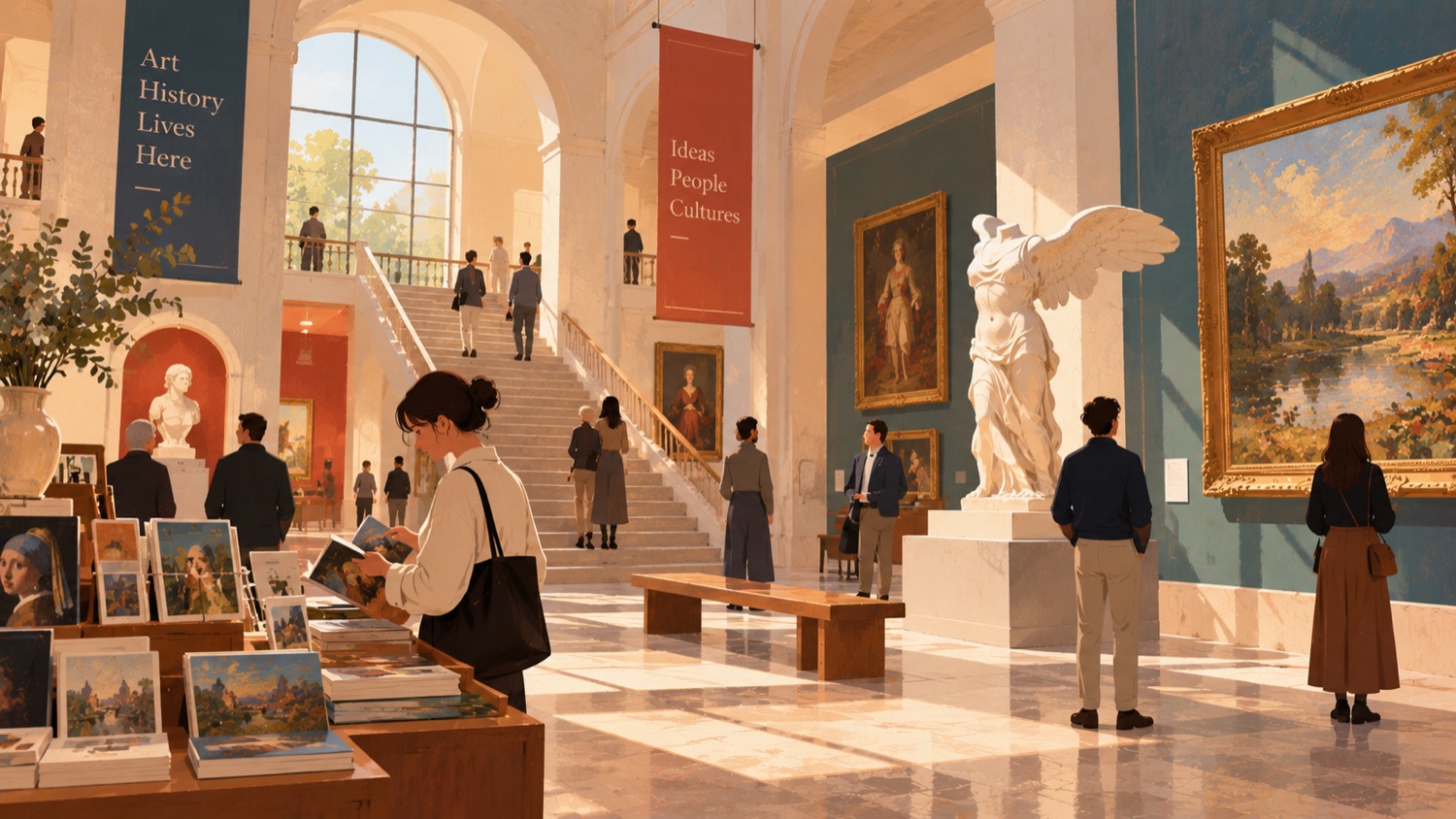
The Musée d'Orsay in Paris has opened a permanent room devoted to 225 works of art believed to have been looted by the Nazis, in a display that puts a single uncomfortable question at its centre: to whom do these works belong? The room, which opened in early November, is the museum's most direct attempt yet to confront a legacy that French institutions have lived with for eighty years.
The works on show are among the thousands of artworks recovered by France after the Second World War whose owners were never traced. Many were seized from Jewish families during the occupation, then gathered by the Allies and returned to France, where they entered state custody. Decades later, their rightful owners — or their descendants — remain unknown, and the paintings, drawings and objects have waited in storerooms for a resolution that may never come.
By giving them a permanent public space, the Orsay is changing the terms of the conversation. Instead of treating the works as a footnote to the collection, the museum presents them as objects with missing histories, and invites visitors to consider what restitution means when the people who should receive the works cannot be found. The display is both an exhibition and an open appeal: the museum is still trying to identify the families these pieces were taken from.
The room arrives at a moment when provenance research has moved from the margins of museum work to its centre, and when institutions across Europe are under growing pressure to account for what hangs on their walls. For the Orsay, the new gallery makes that accounting visible — not as a temporary project, but as a permanent part of how the museum tells its own story.