Policy brief·Global
Latin America's Right-Wing Turn Puts Culture Ministries on the Chopping Block
From Colombia's proposed 30% culture-budget cut to Brazil's 25 October presidential run-off, right-wing governments across Latin America are recasting the arts around austerity and conservative values — with open backing from Washington.
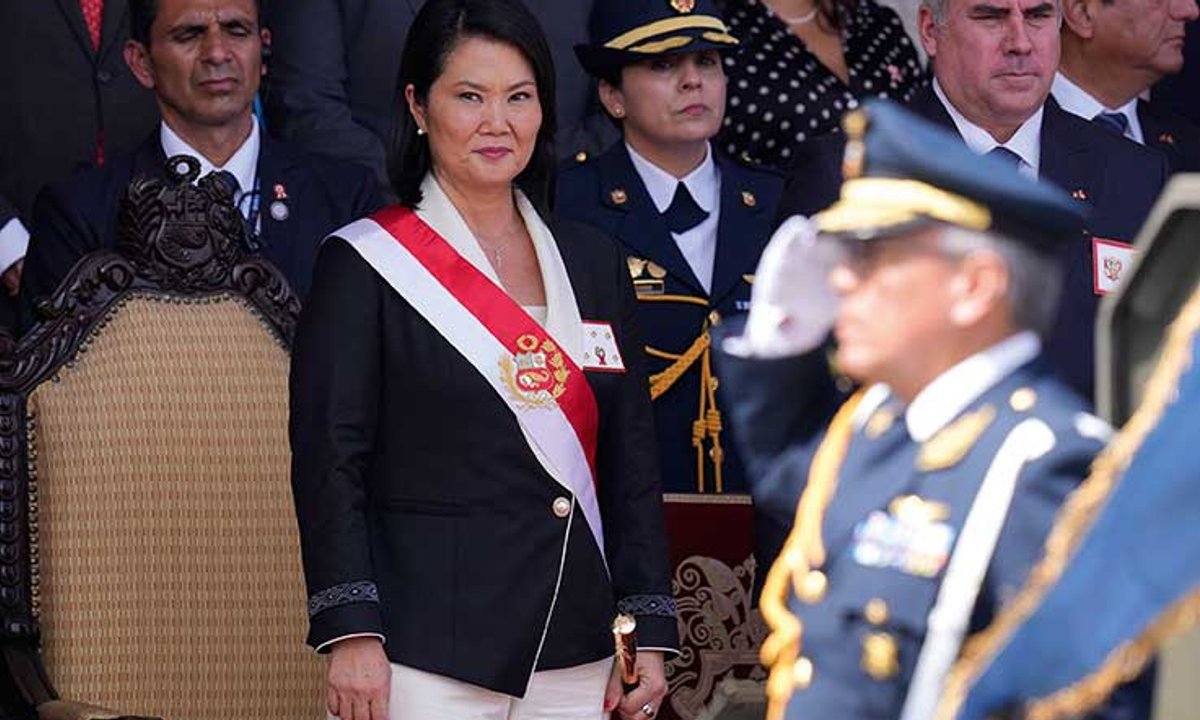
A rightward shift across Latin America is reshaping cultural policy, as governments elected on conservative platforms cut arts budgets and rewrite the mission of culture ministries around austerity, efficiency and traditional values. The pattern, visible from Bogotá to Buenos Aires, is unfolding with vocal encouragement from the United States, in what analysts describe as a revival of the Monroe Doctrine aimed at reasserting Washington's influence and pushing China out of the region. The stakes sharpen on 25 October, when Brazil holds a presidential run-off between Luiz Inácio Lula da Silva and Flávio Bolsonaro. In Colombia, President Abelardo de la Espriella, who took office last month, has proposed slashing the cultural ministry's funding by 30% next year, prompting street protests by artists in Bogotá. Across the region, officials have adopted the language of batalla cultural — culture war — to justify the reorientation. Argentine historian and essayist Pablo Stefanoni, who studies the ideological rise of the new right, says every recent Latin American election has seen direct US interference and open support for right-wing candidates, paired with a geopolitical drive to marginalise China. He argues that parts of the right have convinced themselves that Marxism has infiltrated culture, a relatively progressive sphere, and that it must therefore be confronted on that terrain. The cultural fallout is already concrete. Mexico City's major art museums were closed for two days earlier this month amid a union dispute rooted in a structural crisis in the country's cultural sector. With elections, run-offs and budget votes queuing up across the region, Latin American artists and institutions are bracing for a period in which funding — and the very definition of what culture is for — becomes a political battleground.