Market dispatch·London
London lawyers warn collectors that sanctions, taxes and politics now govern how art is bought, moved and inherited
A 5 October 2026 Mishcon de Reya briefing argues geopolitics has rewired the art market, pressing collectors to weigh sanctions, provenance, freeports and succession plans alongside taste, citing the Bayeux Tapestry loan, cancelled Russian sales and Art Dubai's 2026 downsizing.
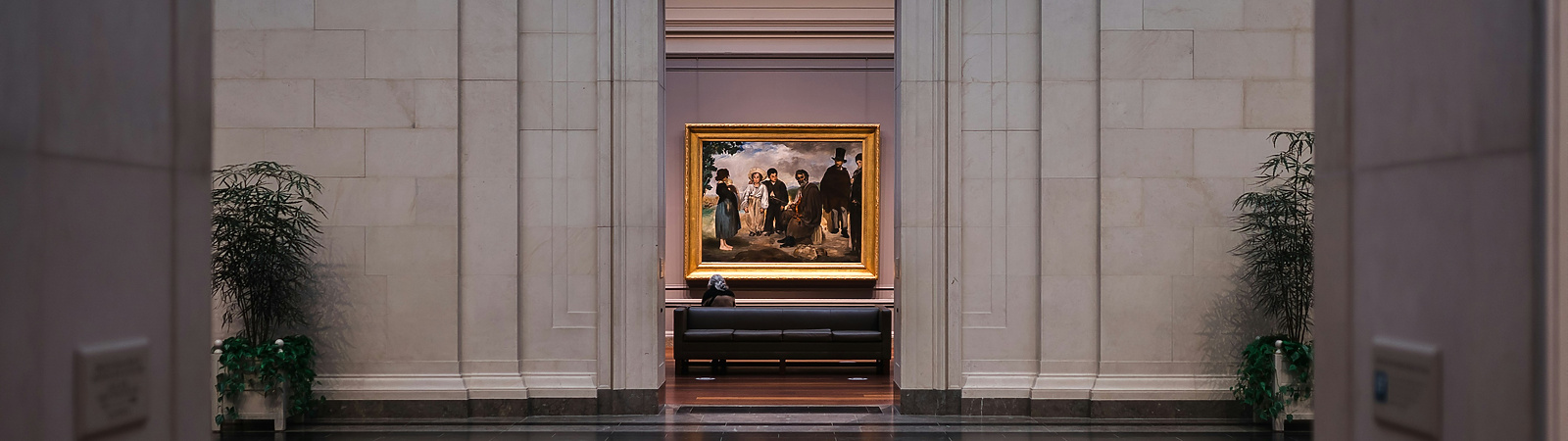
London law firm Mishcon de Reya has published a briefing arguing that geopolitics now shapes almost every art-world decision, from where collectors buy to whether they lend, store or bequeath their works. Posted on 5 October 2026, the piece walks through how sanctions regimes, tax exposure, provenance scrutiny and clashing national laws have turned cross-border collecting into a compliance exercise as much as an aesthetic one. The Bayeux Tapestry's loan from France to Britain serves as the opening case study: transport, conservation, cost, display and the debate it stokes over other contested objects such as the Parthenon Marbles. Portable works fare no better in calmer times; Nazi-looted pieces still surface in private collections and auction rooms decades later, dragging families and good-faith buyers into title disputes. After the invasion of Ukraine in 2022, Christie's, Bonhams and Sotheby's all cancelled Russian art sales in response to sanctions, and the firm cites recent enforcement cases, including R v Ojiri and a 2026 ruling involving Hauser & Wirth's London gallery, as evidence that regulators are now actively policing the trade. Collectors are adapting in several ways, the authors say. Some have stopped trading and are parking capital until the climate settles; others are lending more to institutions or pledging art as collateral to raise liquidity without surrendering title. Buying tastes are shifting too: blue-chip works with clean due-diligence histories feel safer, while some collectors favour smaller, portable domestic pieces such as ceramics. Fairs are reacting as well — Art Dubai reconfigured and shrunk its 2026 edition around MENASA galleries, and Brexit-era trade frictions have left the British market leaner, with the Frieze London versus Art Basel Paris contest drawing constant commentary. The final section turns to loans and philanthropy, urging early planning. Lenders and borrowers are told to weigh the cultural politics of an exhibition before signing, agree security and insurance up front, and consider what legal shields exist if a tour stop triggers a seizure claim. With freeport use climbing and collections increasingly split across jurisdictions, succession planning is presented as the mechanism that decides whether a collection survives the politics intact.