Museum report·Vatican City
Pope Leo XIV Tells World's Top Museum Chiefs That Art Is "A Place of Memory, Beauty and History"
Pope Leo XIV received the Bizot Group of international museum directors at the Vatican on 10 October, urging them to treat museums as spaces where beauty carries spiritual meaning. Attendees included the directors of the V&A, the Met and the Rijksmuseum.
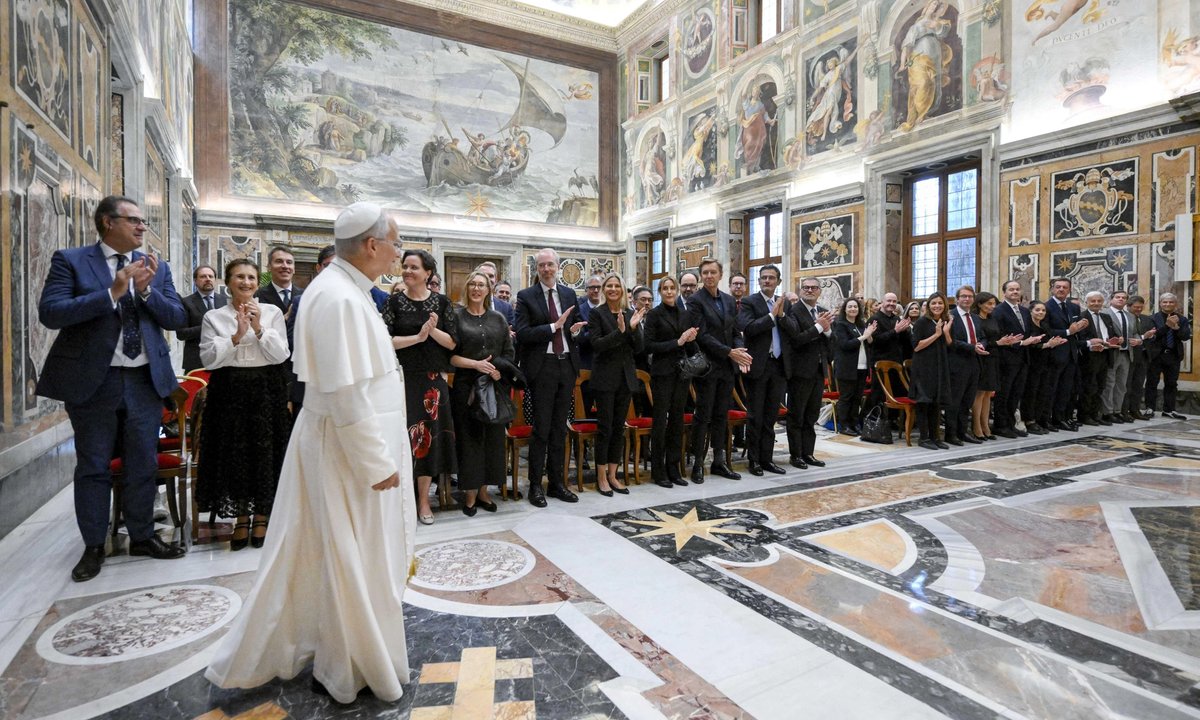
Pope Leo XIV has told a gathering of the world's leading museum directors that the objects in their care speak to every person, framing museums as custodians of a shared human inheritance. The pontiff met members of the Bizot Group, the international network of organisers of major exhibitions, in the Vatican's Clementine Hall on Saturday 10 October, during a session themed around materiality. In his address, the pope described matter as a gift placed in human hands, which artists shape into forms of transcendent meaning, and praised the directors for safeguarding heritage that belongs to all humanity. He said every museum is "a place of memory, beauty and history", fostering encounters between generations and promoting culture and human creativity. The meeting's president, Rijksmuseum director Taco Dibbits, led a delegation that included Tristram Hunt of London's Victoria and Albert Museum and Max Hollein of the Metropolitan Museum of Art in New York. Hunt later wrote that the pontiff framed art less through an aesthetic lens than as "a means of proclaiming the Gospel through beauty", calling it a confident and strikingly different message as Frieze Week opened in London. Hollein described the remarks as a profound meditation on art, museums and memory. The Bizot Group, founded in 1992, convenes periodically to coordinate on institutional policy. The audience follows the pope's 2 October call for a renewed alliance between the Church, artists and cultural institutions to protect human creativity in the age of artificial intelligence, which he has warned could bring censorship and homogenisation to creative work. The Vatican meeting reaffirms that cultural strategy, placing the museum sector at the centre of the Church's engagement with contemporary art.