Museum report·Brisbane
World-First Jim Henson Exhibition Brings 70 Years of Puppetry Craft to Brisbane
The first major exhibition to bring the Jim Henson Company's archive outside North America has opened at Brisbane's Gallery of Modern Art, running through 18 April 2027. Make, Believe, Magic traces seven decades of puppetry from 1950s television to animatronics, with full sets, concept drawings and David Bowie's Labyrinth costume.
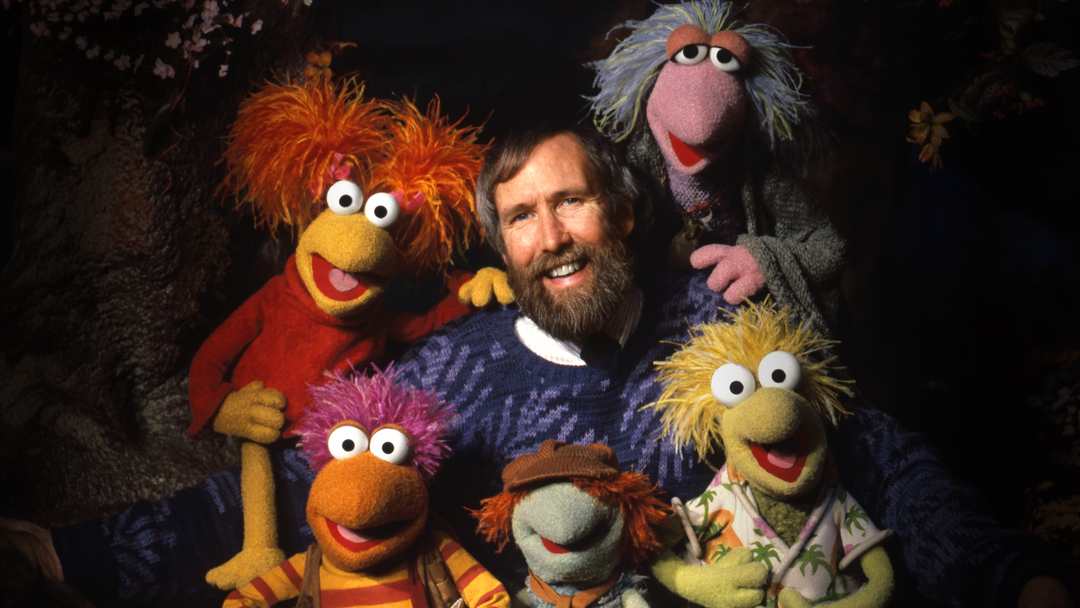
For the first time, this much of the Jim Henson Company's archive has left North America. Make, Believe, Magic: The Worlds of The Jim Henson Company opened at Brisbane's Gallery of Modern Art (GOMA) in September and continues through 18 April 2027, tracing seven decades of puppetry from 1950s broadcast television through animatronics and early digital experiments. The exhibition took three years to assemble and was built by GOMA curator Amanda Slack-Smith together with the company's archivist and historian Karen Falk. The show moves through three sections covering how puppets are built, how they are performed, and where technology is taking the craft. Hundreds of objects fill the galleries: full production sets shipped from the Calgary Film Centre, including the Great Hall waterfall from Fraggle Rock: Back to the Rock; Sesame Street regulars such as Bert, Ernie and Big Bird; concept drawings for Labyrinth; and David Bowie's costume from Magic Dance, on loan from the Academy Museum of Motion Pictures. One of the exhibition's arguments is that simplicity was always an illusion. Kermit began as little more than a hand puppet sewn from the fabric of Jim Henson's mother's coat, yet his face reads precisely because nothing sat between the puppeteer's hand and the fabric. Miss Piggy's eyes are still two halved ping-pong balls. Don Sahlin, hired in 1962 to build the dog puppet Rowlf, developed the invisible fleece seam the workshop still calls the Jim stitch. An early fibreglass body for Labyrinth's fifteen-foot giant Humongous would not flex, so the team invented a new polyurethane skin from scratch. The archive itself nearly did not exist. Many of the company's foam and latex constructions simply crumbled with age. Jane Henson, who held a forty percent stake in the company from the start and worked as a performer, trainer and builder, founded the group charged with protecting her husband's work after his death. That effort, now three decades old, is what made an exhibition of this scale possible at all.