Museum report·Venice
Venice glass show reveals how Peggy Guggenheim turned Murano craft into modern art
The Peggy Guggenheim Collection has opened Fucina degli Angeli, an exhibition on the Murano glass workshop where Peggy Guggenheim helped artists turn an ancient craft into modern sculpture.
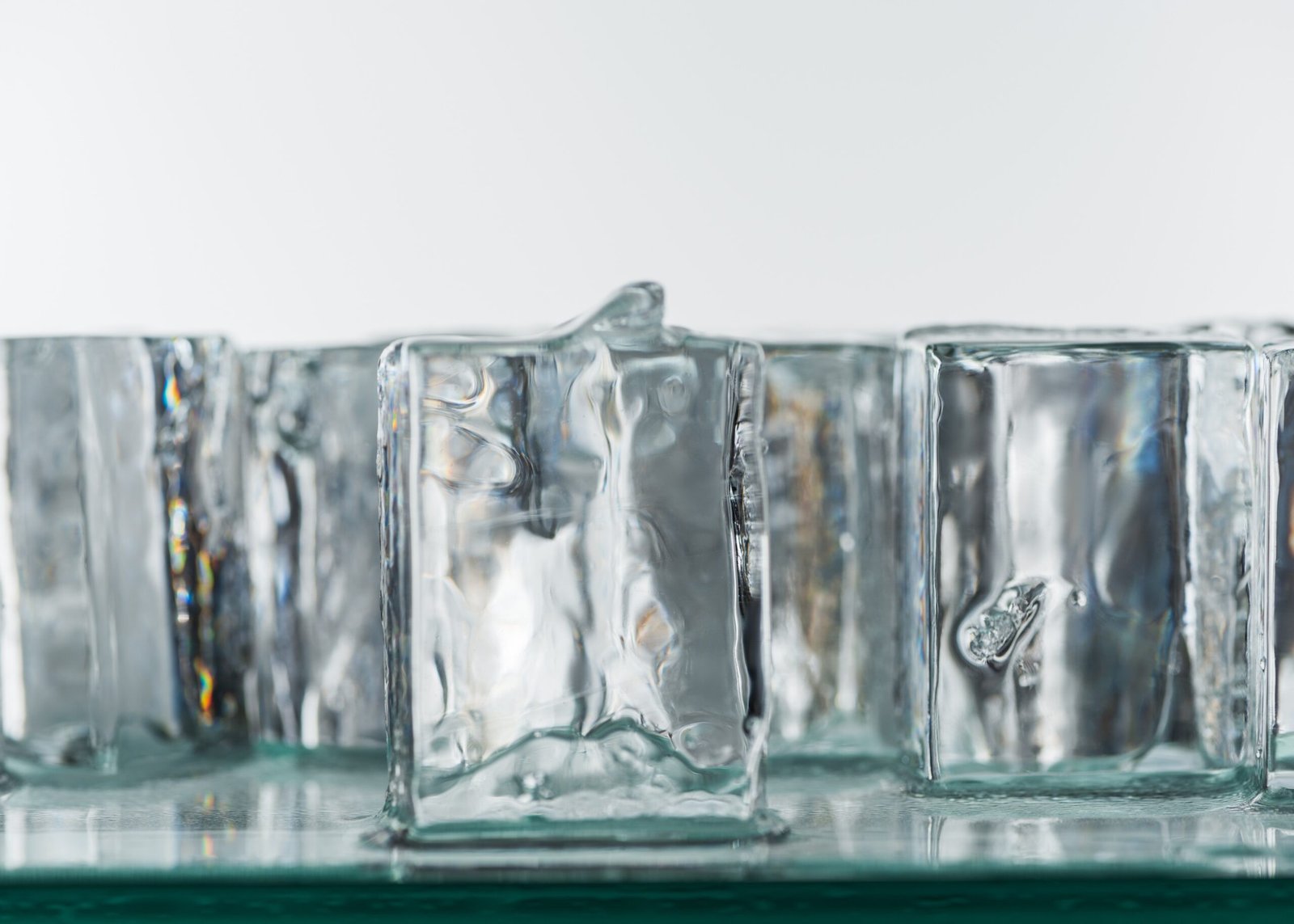
The Peggy Guggenheim Collection in Venice has opened Fucina degli Angeli: Peggy Guggenheim and 20th-Century Artistic Glass, an exhibition that revisits a little-known chapter of the collector's life and asks where fine art ends and craft begins. The show centres on the Fucina degli Angeli, the Murano furnace where, from the 1950s onward, artists worked side by side with master glassmakers to produce sculpture in a material long associated with tradition and decoration. Guggenheim's role there went well beyond collecting. She helped create the conditions in which artists and makers could collaborate, and the exhibition presents her as an active participant in the networks that shaped modern art rather than simply a buyer of finished objects. That argument runs through the works on view. Glass, in the hands of Murano's masters and the artists who joined them, became a language for modern sculpture: technical mastery did not limit artistic freedom but enabled forms that would otherwise have been impossible. The show also returns attention to a recurring theme of Guggenheim's career, her willingness to back processes and people before the art world had decided they mattered. The exhibition follows the closure in Venice of the museum's major spring show, Peggy Guggenheim in London: The Making of a Collector, which ended on October 19 after tracing her first gallery, Guggenheim Jeune, and the experimental London art world of 1938 and 1939. Where that show examined Guggenheim the young dealer, the glass exhibition examines her as a facilitator in postwar Venice, embedded in a city whose craft traditions she treated as a living resource rather than a picturesque backdrop. For visitors, the contrast is instructive: the same collector who championed abstraction and Surrealism in London also championed the furnace, the workshop and the maker. Contemporary art's frequent crossing of disciplinary boundaries, combining craft skill with conceptual ambition, has an earlier precedent here, and the exhibition makes the case that the hierarchy separating fine art from craft has always been shakier than it looks.