Exhibition preview·Washington
Truman Lowe's first major retrospective brings wood, water and memory to Washington's National Museum of the American Indian
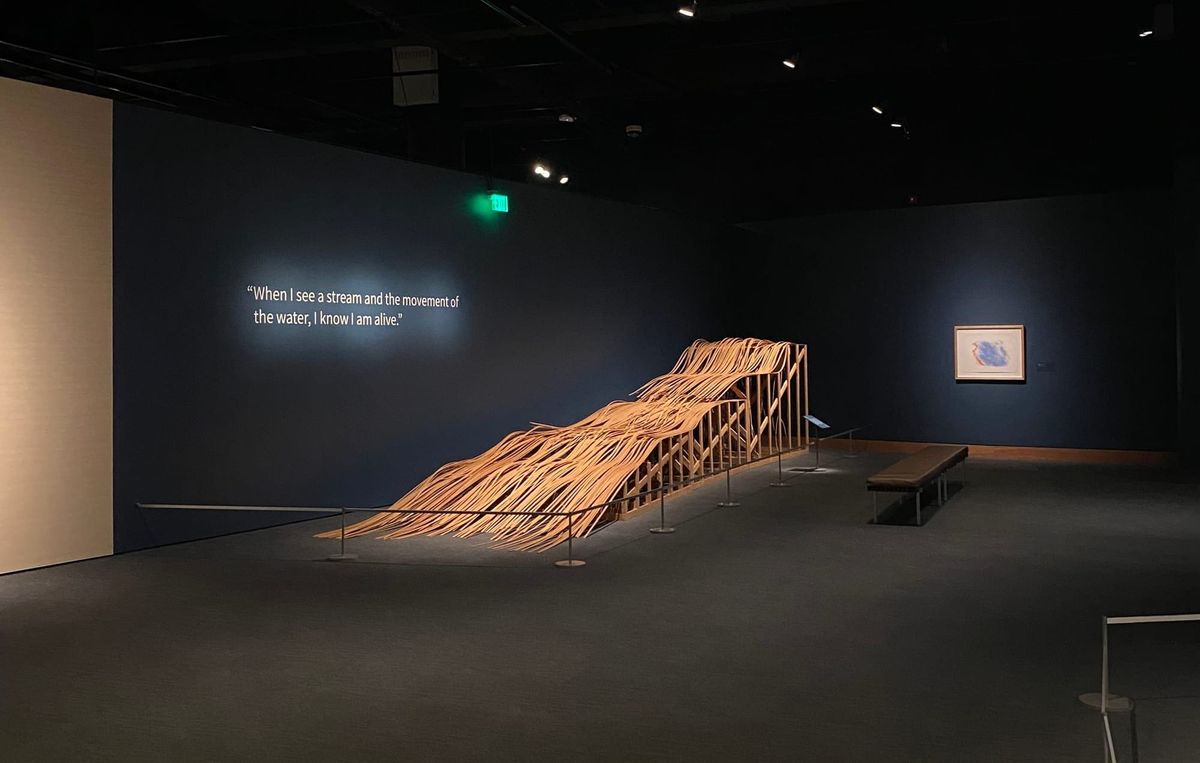
The National Museum of the American Indian has opened "Water's Edge: The Art of Truman Lowe," the first large-scale retrospective of the Hoocąk artist, whose sculptures bend wood like flowing water. Organized around four themes echoing the number's reverence in Hoocąk culture, the show spans decades of work by Lowe, who died in 2019.
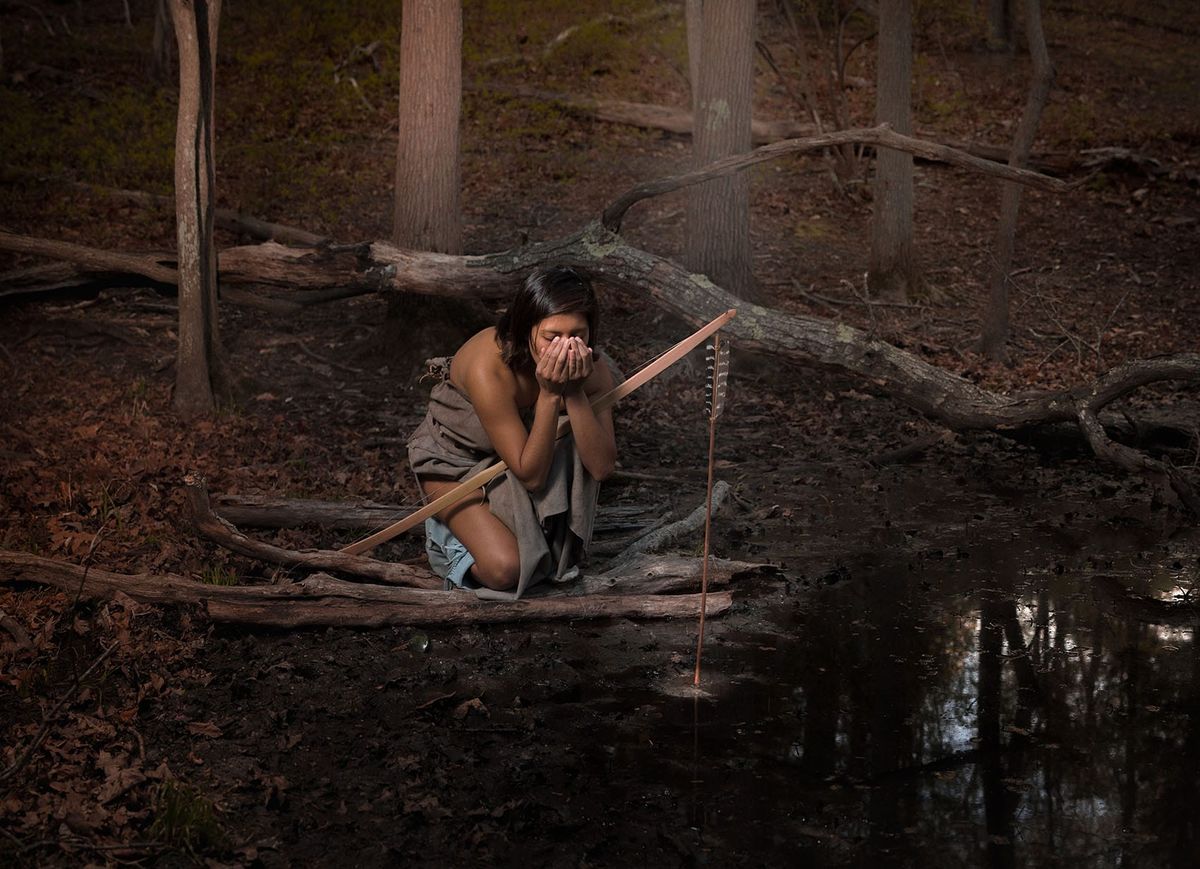
The National Museum of the American Indian in Washington has devoted its galleries to Truman Lowe, the Hoocąk artist whose sculptures treat wood as though it were a liquid. "Water's Edge: The Art of Truman Lowe" is the first major retrospective of the artist, who died in 2019, and it opens with "Ottawa" (1992), a billowing construction of pine and peeled willow saplings that seems to gather the currents of the rivers of his childhood. The exhibition is arranged in four sections — Landscape and Place, Woodland Structures, Memory, and Shared Knowledge. The quartet is no accident: the number four carries ceremonial weight in Hoocąk culture, where repetition is understood as a form of permanence. Lowe returned to that structure across his career, most explicitly in works like "Mimi" (1979), a sculpture of four peeled willow branches, four clusters of blue jay feathers and collections of red beads, each grouping arranged in sequences of four. The review lingers on Lowe's refusal to let his materials sit still. His forms undulate with what one critic describes as an audacious disregard for the fixed nature of the wood, each bend and ripple a declaration of the artist's guiding conviction that wood is water. That conviction echoes Toni Morrison's line about water possessing a perfect memory and forever trying to return to where it came from. Elsewhere in the show, an aluminium piece titled "Wána (Cascade)" (2002) demonstrates how far Lowe pushed the fluidity of his medium, translating the language of rivers into polished metal. For an artist whose career bridged tribal artistry and the contemporary museum world, the retrospective offers a long-overdue reckoning with a practice built on ancestry, place and the persistence of memory.