Exhibition preview·New York
Seven New York exhibitions chart Native art and history for Indigenous Peoples' Day
A new roundup gathers seven ongoing exhibitions of Native art across Manhattan, Bard College and Long Island in time for Indigenous Peoples' Day. The shows include Cannupa Hanska Luger's matte-black ceramic installation at Garth Greenan Gallery and Shelley Niro's career-spanning photographs at Hales New York.
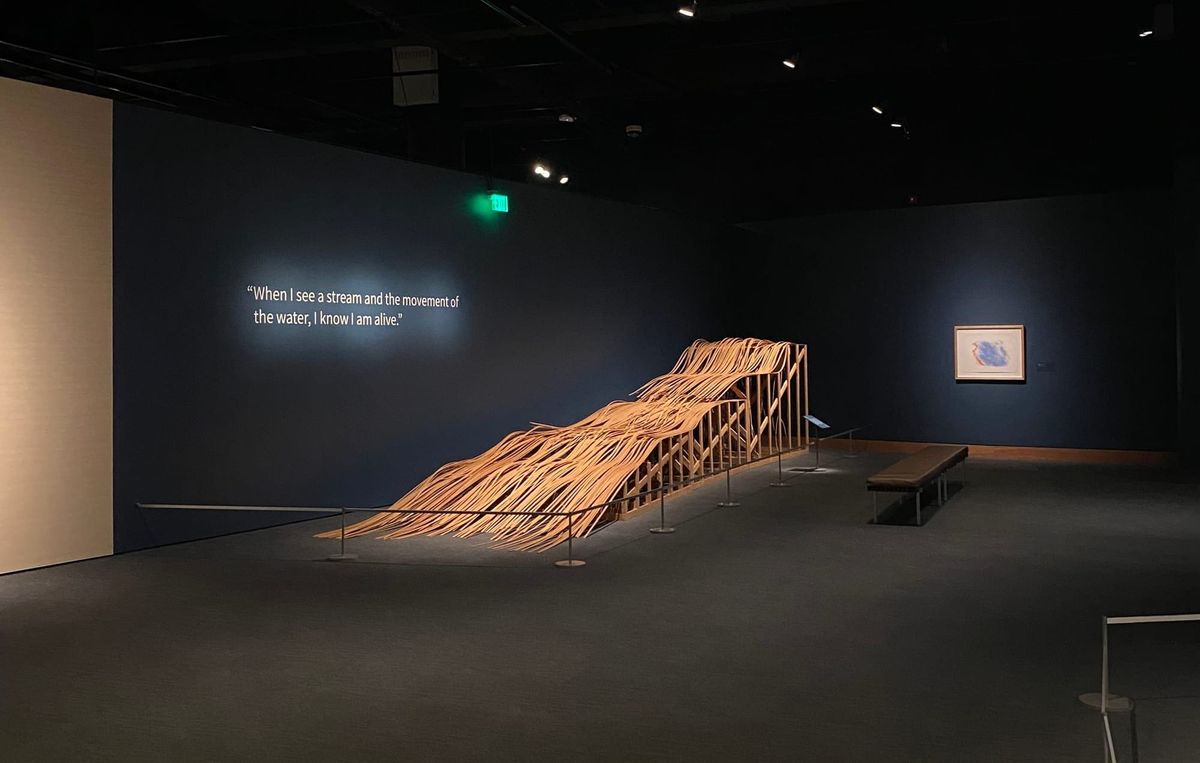
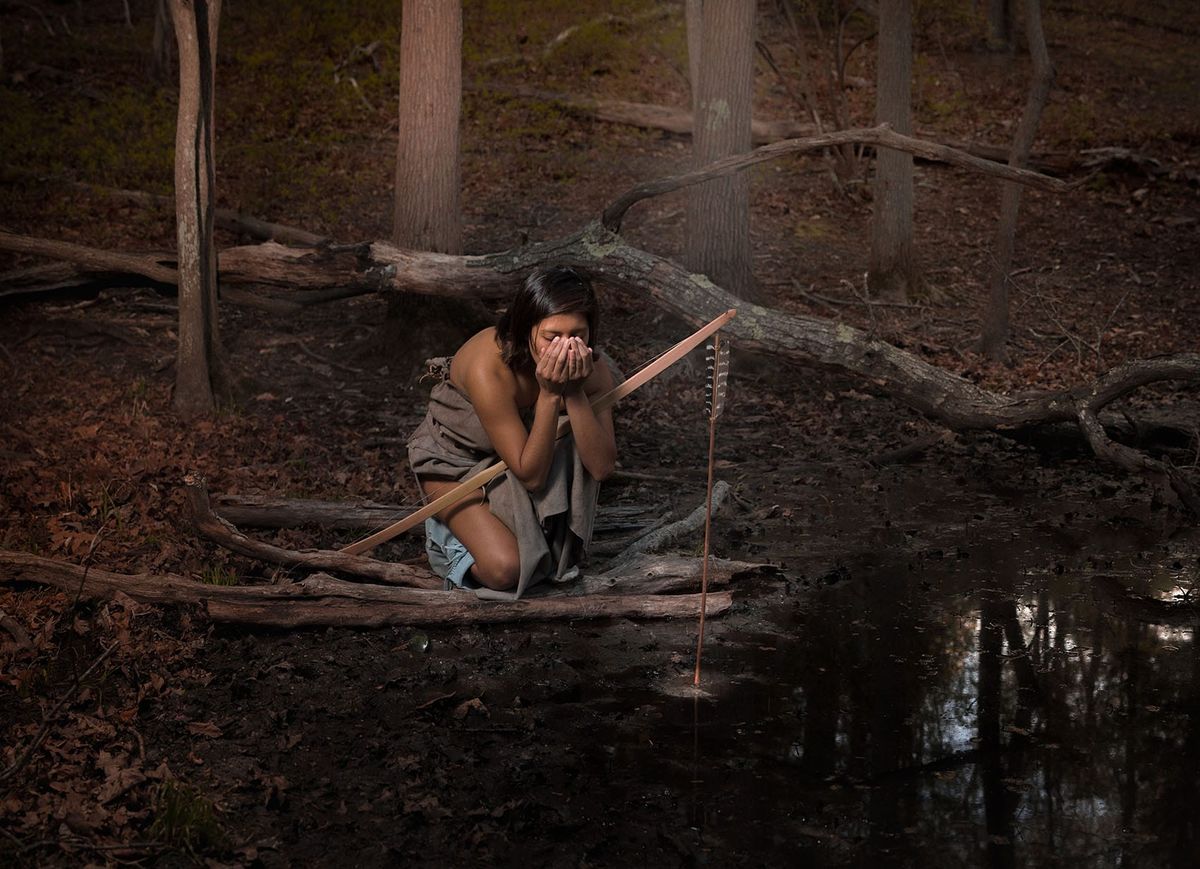
With Indigenous Peoples' Day approaching, a guide spotlights seven exhibitions of Native art and history currently open in and around New York City. The selections range across Manhattan, the Hessel Museum of Art at Bard College and the Long Island Museum in Stony Brook, bringing together solo and group presentations that foreground what the writer calls survivance — the persistence and self-determination of Indigenous art rather than its disappearance. In SoHo, Cannupa Hanska Luger, who is Mandan, Hidatsa, Arikara and Lakota, inaugurates Garth Greenan Gallery's new space at 10 Greene Street with "American Traditional," on view through October 24. Setting aside the colorful verve of his earlier work, Luger presents uniform matte-black sculptures made from ironstone clay, sumi ink and direct flame. The centerpiece places a striated, skinned bison with a split skull atop a standard colonial-style dining table, with wall hangings and pedestals of other animal remains studded with railroad spikes, Pulaski axes and vintage furniture of westward expansion. In Chelsea, Shelley Niro — an artist and filmmaker of the Turtle Clan of the Kanyen'kehá:ka (Mohawk) Nation — celebrates her second solo show at Hales New York with "In Her Lifetime," running through October 31. The tight selection of mixed-media photographs spans decades of her career, drawing on the 1992 black-and-white picture sequence of her sister that gives the show its name, and adds hand-painted elements and decorative patterns that bring a wry assertiveness to her family portraits. The guide notes that several of the seven programs will remain available from late October into next spring, making the holiday a starting point rather than the occasion's limit. Together, the shows argue for Native art as a living, argumentative field — rejecting narratives of dispossession and pushing underrepresented histories out from the margins.