Exhibition preview·Linz
Taipei art students' 'Computational Evolution' takes emerging Taiwanese tech art to Ars Electronica Linz
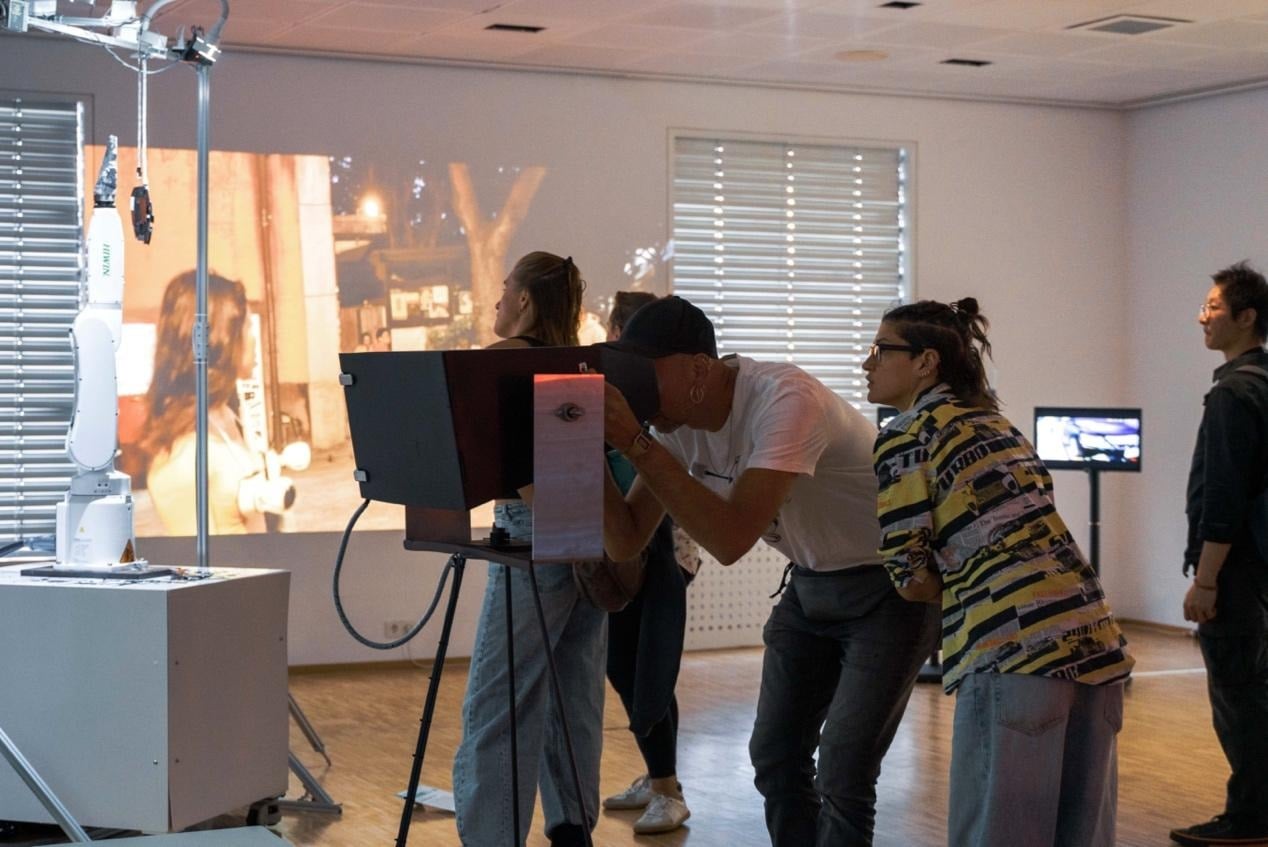
The School of New Media Arts at Taipei National University of the Arts brought its project 'Computational Evolution' to the 2026 Ars Electronica festival in Linz, the department's fourth appearance at the media-art gathering.
The School of New Media Arts at Taipei National University of the Arts (TNUA) participated in the 2026 Ars Electronica festival in Linz with the project 'Computational Evolution', its fourth appearance at the Austrian media-art festival. An ARTouch report published on 20 October frames the visit as a test of how young Taiwanese artists can make their questions resonate beyond their own context.
Being seen, the report argues, is only the first step. What matters is whether an artist's question, carried into an international setting, can become one that others are willing to think through together. For the new-media students, the accumulation that counts is not ever-more-complicated technology but the gradual building of a judgement about where they stand: a position from which they can start from themselves without remaining stuck in themselves, and start from Taiwan while leaving a door open for people from other contexts to enter.
The piece also considers how contemporary tech art has diversified as technical environments, social structures and cultural experiences have shifted. Younger artists and cultural workers, observing from their own circumstances, are developing distinct ways of knowing the world through artistic language, technology and social relations.
For Taiwan's emerging media artists, the lesson of Linz may be that the deeper practice lies in letting local experience touch language, power, industry, environment and technology, so that artistic production can take on new meaning when it meets another field, another generation and another way of working. The department's fourth appearance at the Linz gathering underlines how central the festival has become to its pedagogy: not as a stage for technical display, but as a place where production can be tested against other contexts. If computational tools once promised novelty for its own sake, the report suggests the sharper question now is how those tools serve a longer, locally rooted line of inquiry.