Exhibition preview·Mannheim
From Degas Ballerinas to a Dancer on a Unicycle: Mannheim Stages 150 Years of Dance in Art
Kunsthalle Mannheim opens "TANZ!" on November 12, a transhistorical survey of dance in art spanning 150 years, from Degas's bronze ballerinas to a Tino Sehgal performance staged permanently in the atrium. The show later travels to Hamburg and Zwolle.
Kunsthalle Mannheim will open "TANZ!", a major exhibition on dance in art, on 12 November, bringing together works spanning some 150 years that explore the ephemeral nature of choreographed movement. The show, curated by Julia Katharina Thiemann with the Kunsthalle's former director Johan Holten, now at ARKEN in Denmark, opens at 7pm and will later travel to the Deichtorhallen in Hamburg and the Museum de Fundatie in Zwolle.
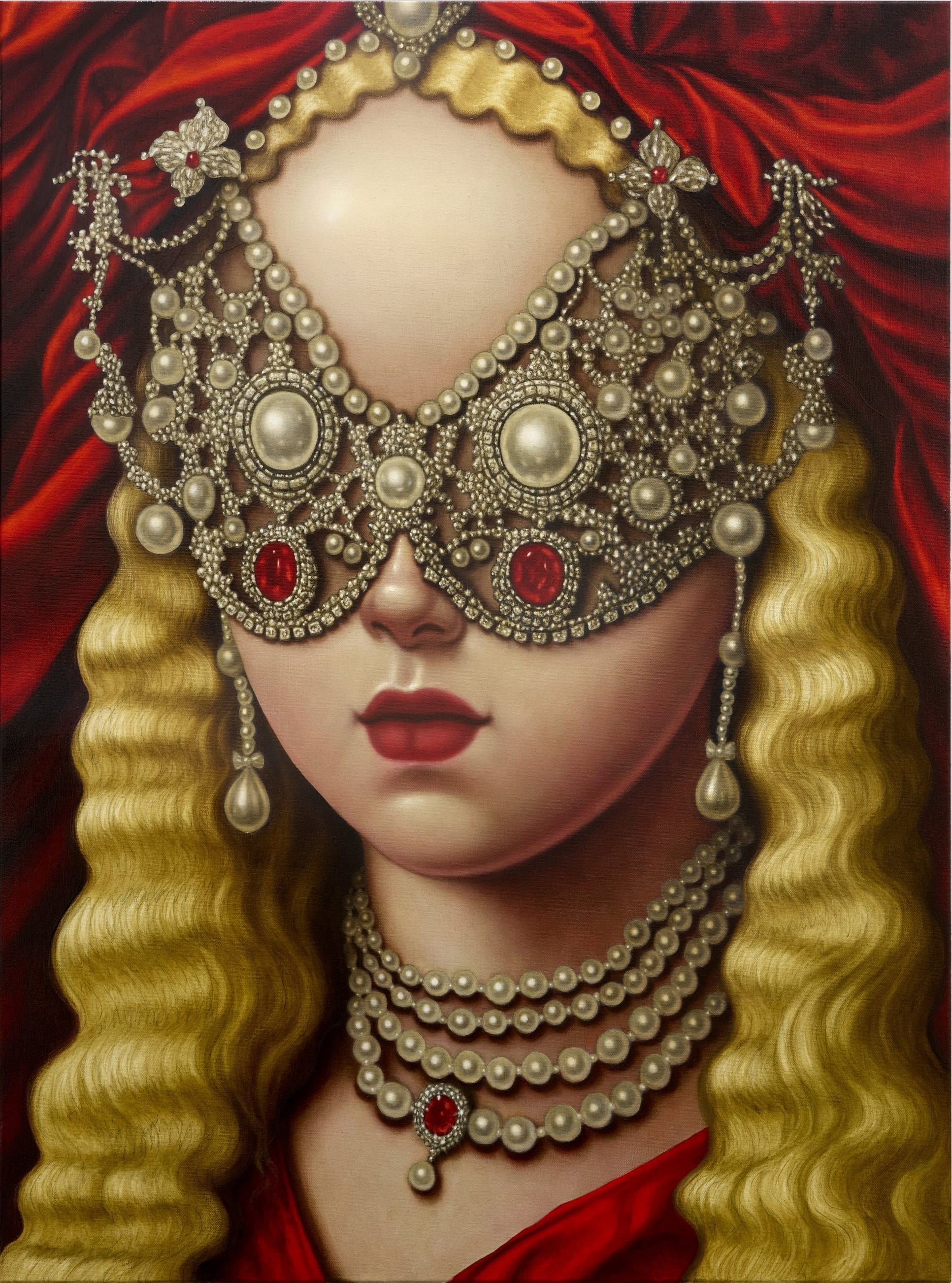
The artistic view of dance ranges from Edgar Degas's bronze ballerinas to a live performance by Tino Sehgal. Works by Auguste Rodin, Henri de Toulouse-Lautrec, Chana Orloff, Ernst Ludwig Kirchner, Oskar Schlemmer, Simone Forti and William Forsythe sit alongside contemporary pieces by Klara Lidén, Gabriel Moses and Lorna Simpson, with new works by Eva Helene Pade, Rajni Perera and Isaac Chong Wai on show for the first time.
The contemporary works in particular examine the standardisation of bodies, above all in ballet, as well as questions of identity and belonging in a changing society. Sehgal's performance "This Entry" will be staged in Germany for the first time in the Kunsthalle's atrium, where a dancer will interact with a person on a unicycle, a table-football player and a violinist. Because Sehgal's works may not be recorded, the piece will be on permanent display throughout the run, much like a sculpture, making physical presence part of the work.
Isaac Chong Wai will celebrate the world premiere of his commissioned performance "Songs to Protect Us" on the opening night, at 8pm and 9pm, with further stagings on Friday 13 November at 4pm and Saturday 14 November at 11am. The show's focus on transience, dance exists only in the moment, runs through the whole presentation, from nineteenth-century sculpture to live performance.