Museum report·Washington
73–25: US Senate Advances Permitting Bill That Museums and Tribes Call an Assault on Sacred Places
The US Senate voted 73–25 on Monday to advance a bipartisan permitting bill that would weaken federal review of historic and sacred sites, despite objections from tribal organisations and museum groups.
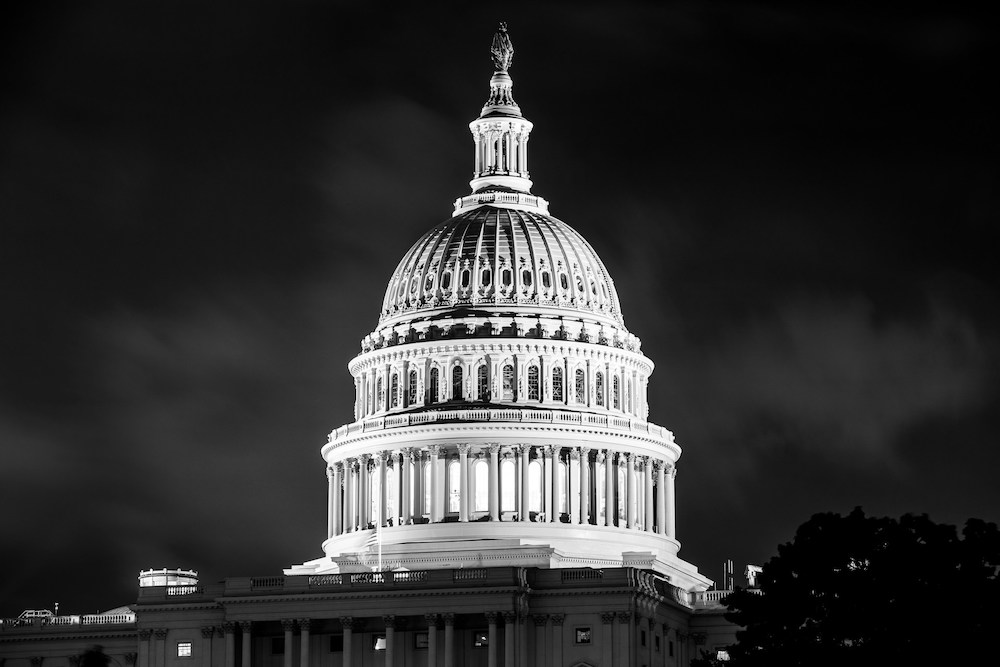
The United States Senate voted 73 to 25 on Monday to advance a bipartisan permitting bill that would make the biggest changes in decades to the federal review of historic places. The Bipartisan American Affordability and Jobs Act of 2026, known as S. 5653, aims to speed up approval of energy and infrastructure projects, but tribal organisations and museum groups warn it would gut protections for historic and sacred sites.
At the centre of the dispute is Section 106 of the National Historic Preservation Act, which requires federal agencies to consider the effects of their projects on historic properties and to consult tribes about places of religious or cultural importance, including sites beyond reservation boundaries. The bill as introduced would narrow the range of projects subject to review, impose deadlines and restrict judicial review. It would also have required the interior secretary to take over some or all of a tribal historic preservation officer's duties if a programme stayed out of compliance for two years.
The bill's sponsors released a substitute amendment on 7 November that drops the federal takeover requirement, offers technical assistance to tribal preservation programmes and gives tribes more time to raise objections. But eleven tribal organisations, including the National Congress of American Indians, the Native American Rights Fund and the National Association of Tribal Historic Preservation Officers, said in a joint statement that the revisions did not resolve their concerns and urged Congress to delay the bill or remove its historic-preservation title entirely.
Museum organisations have joined the opposition, describing the bill as a sweeping assault on historic and sacred places. The bill was introduced on 30 September by Senators Shelley Moore Capito, Mike Lee, Martin Heinrich and Sheldon Whitehouse. Its supporters say faster permitting would encourage investment and lower energy costs, while its critics argue that weakening consultation will produce more conflict and delay, not less, and erode tribal sovereignty in the process.