Museum report·Global
Europe's Museum Heists Are Turning More Violent, Europol Warns — and Smaller Museums Are Now in the Crosshairs
Europol warns that museum thefts have become markedly more violent and frequent since around 2022-23, with thieves increasingly targeting precious metals, gemstones and Chinese artefacts — though some experts question whether the overall volume of museum crime has actually risen.
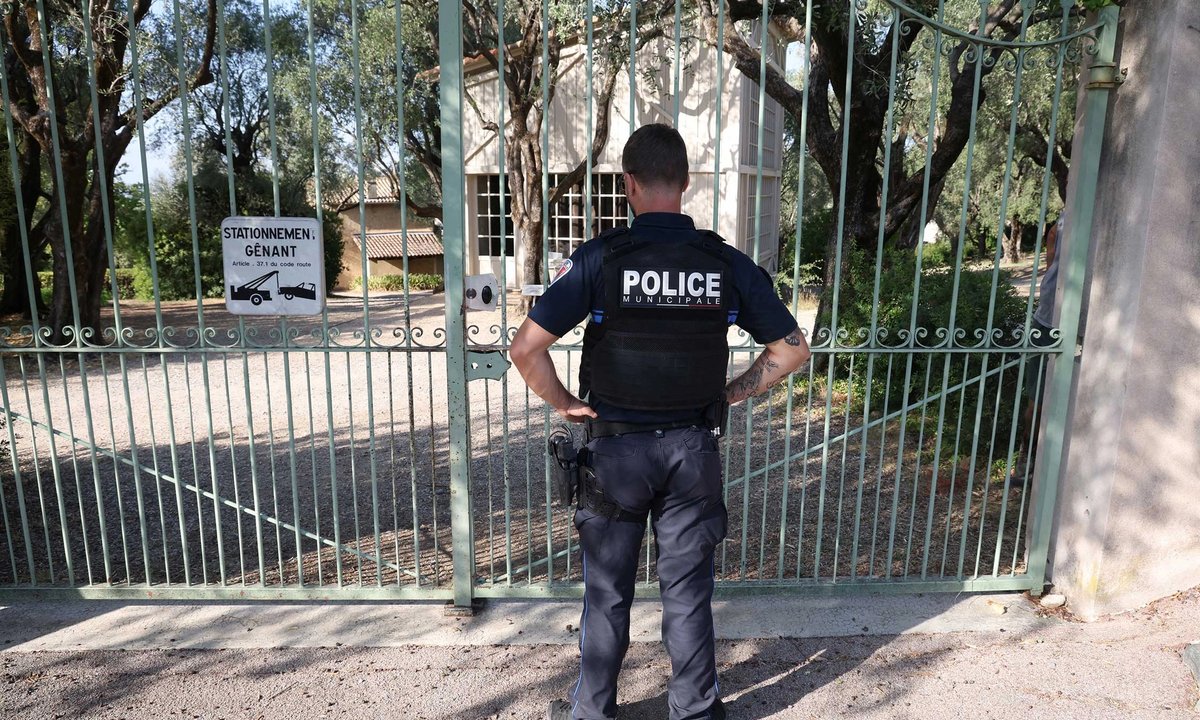
Europol's warning that museum thefts are becoming more violent and frequent was well timed. Its report, Changing Tactics, Changing Targets: The Evolving Nature of Museum Heists, published on 24 August, was followed within days by a string of thefts: on 27 August thieves stole a Bronze Age hoard from Spain's Museum of Villena, and the same day a robbery at Vienna's Museum of Applied Arts netted a diamond necklace. On 8 September thieves broke into the Musee Renoir, with two works by the artist still missing.
"We have observed a clear and steep increase in the number of museum robbery cases since around 2022/2023," says Jean-Yves Goriou, head of the EU Organised Crime Unit within Europol's European Serious and Organised Crime Centre. Precious metals and stones, as well as Chinese cultural artefacts, are identified in the report as increasingly popular targets, a trend the report attributes to the objects' high financial value. Some buyers in China will bid on these objects to astronomical levels, and when they cannot acquire them legitimately, a market for stolen Chinese treasures appears to exist.
Europol's research describes a shift from the "traditional trafficker", a specialist, non-violent offender working within a structured criminal network, towards an "emerging aggressor": an ad hoc and decentralised perpetrator, prepared to use high-risk violence and operate across criminal markets rather than concentrating exclusively on cultural property. Offenders now breach buildings and display cases with sledgehammers, axes, crowbars and explosives.
Not everyone agrees with the report's conclusions. Christopher Marinello of Art Recovery International disputes the claim that stolen objects are likely to be easily sold on the art market, arguing that the real problem is a lack of effective enforcement of existing regulations. Julian Radcliffe of the Art Loss Register notes that many museum thefts have historically gone unreported, making it hard to establish a reliable sample, while Hiscox's Robert Read says the volume of crimes against museums has not changed, though motivations may have shifted, with items stolen to order, used as collateral, or taken to embarrass public institutions.