Exhibition preview·Singapore
A Flower Lost to Singapore Since 1894 Returns, Knitted From Deep-Sea Plastic, in Its Public Libraries
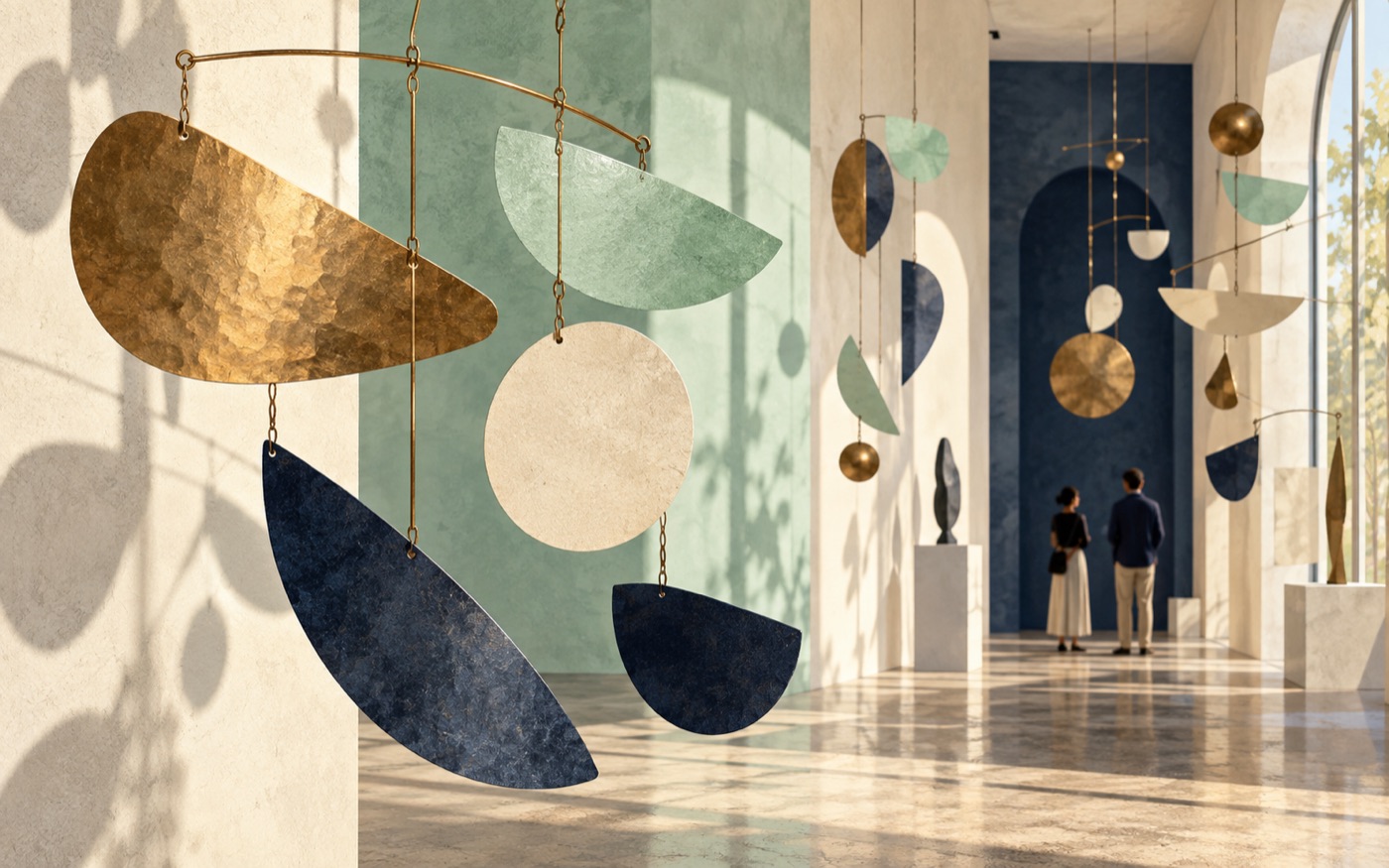
Proposal for HOYA: 5 Lungs Temple, a free installation by Yussef Agbo-Ola, opened at Jurong Library on 28 October and will tour seven Singapore public libraries until 3 October 2027. Knitted panels made from deep-sea plastic enlarge the microscopic structure of Hoya wallichii, a flower thought extinct in Singapore since 1894.
A flower thought extinct in Singapore since 1894 is touring the island's public libraries in knitted form. Proposal for HOYA: 5 Lungs Temple, a free installation by artist Yussef Agbo-Ola, opened at Jurong Library on 28 October and will move through seven public libraries until 3 October 2027. It is a collaboration between the Singapore Art Museum and the National Library Board.
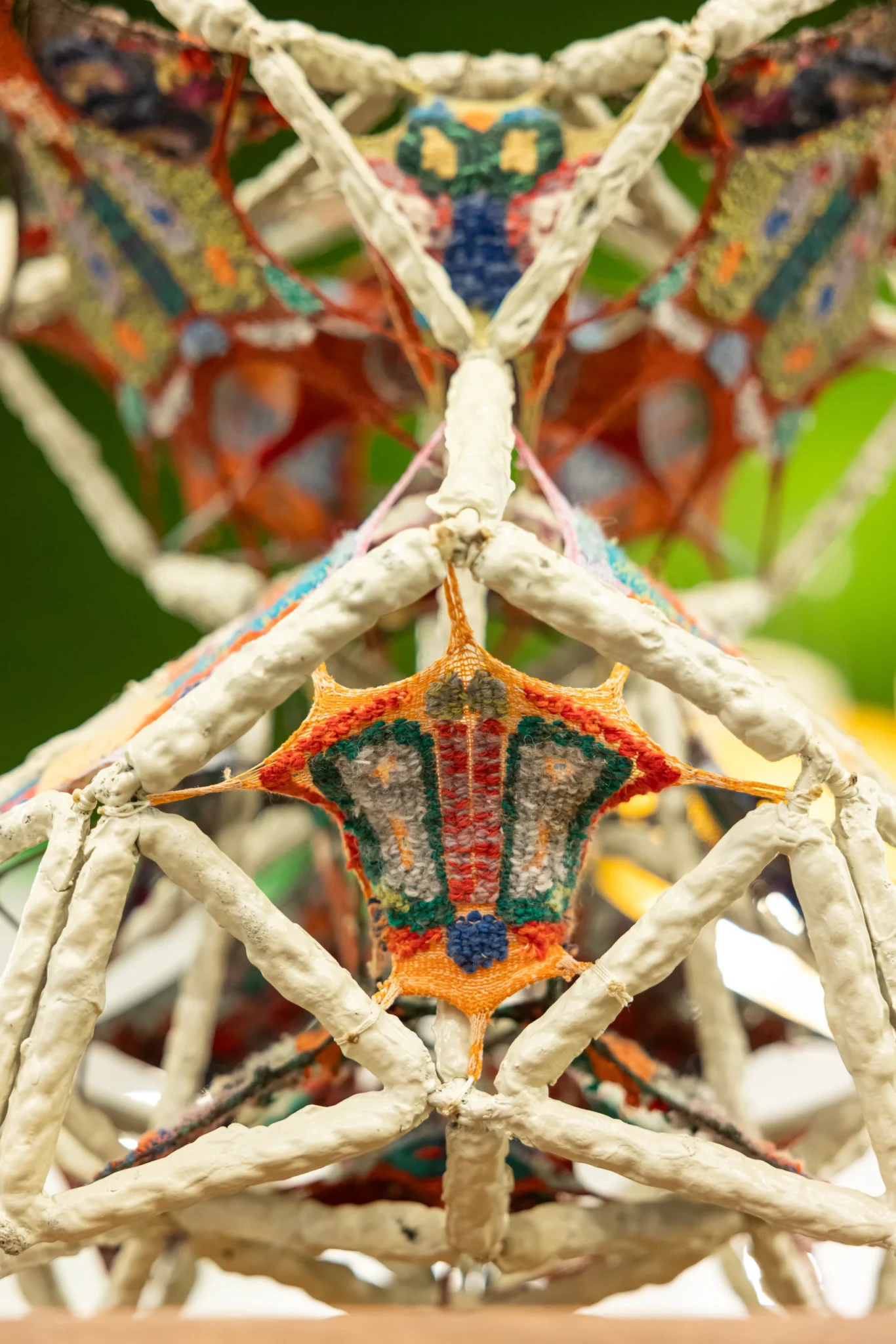
The flower at the centre is Hoya wallichii, a star-shaped bloom the museum describes as thought extinct in Singapore since 1894; SAM curator Fang-Tze Hsu describes it as critically endangered. Agbo-Ola's sculptures enlarge the flower's microscopic structure so visitors can see details normally hidden from the naked eye. The knitted panels are made from plastic pulled from the deep sea, so two kinds of environmental damage - ocean plastic and a lost species - are woven into a single object that visitors can touch.
Participation is built into the work. Colouring sheets show the flower's stem cells, and visitors are invited to imagine how the plant might be brought back to life; handing in a finished sheet earns a coaster printed with facts about the flower. The artist frames that exchange as the heart of the piece, with each visitor's contribution adding to a flower that keeps growing through encounter. The museum describes the installation as the first exhibition of its kind in Southeast Asia and its first presentation in Singapore.
Agbo-Ola calls himself a medicinal architect. His studio, Olaniyi Studio, makes what the museum describes as architectural temples alongside sound design, performance and writing. Born in rural Virginia into a household of Nigerian, African American and Cherokee descent, he now lives between London, Lagos and the Amazon rainforest. The tour continues to Central Library from 16 December 2026 to 31 January 2027, then Bedok, Bishan, Woodlands, Tampines and Jurong West libraries. The museum says the project fits its idea of a disappearing museum: taking art out of its own buildings and into the public and civic spaces people already use.