Museum report·Madrid
Sanchez films campaign video before Guernica, and rivals accuse him of misusing a national museum
Spanish prime minister Pedro Sanchez posted a pre-election video recorded inside the Reina Sofia in front of Picasso's Guernica, prompting opposition accusations that he used a public museum and a national treasure for campaigning.
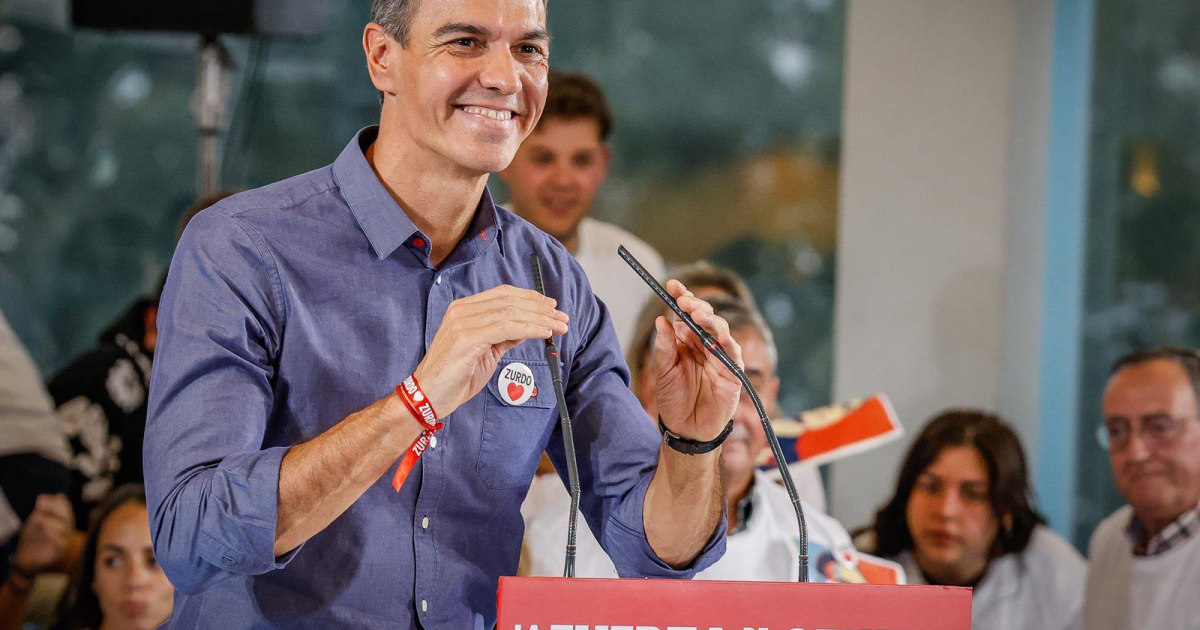
A video posted by Spanish prime minister Pedro Sanchez on Saturday, October 24 has turned Madrid's Museo Nacional Centro de Arte Reina Sofia into the centre of a pre-election argument. In the recording, Sanchez walks through the museum's galleries and stops before Pablo Picasso's Guernica, the vast 1937 painting protesting the bombing of the Basque town during the Spanish Civil War. Standing before it, he presents his government's foreign policy positions, including its stance on Palestine and its opposition to higher military spending, under the slogan about the light of his values. The post landed weeks before Spain's general election on November 29, and the timing is what has driven the dispute. The opposition People's Party responded within hours. Its general secretary, Miguel Tellado, accused Sanchez of having the museum opened solely for him and of appropriating the Guernica to film a pre-campaign advertisement, arguing that resources belonging to everyone were being used for partisan purposes. Another senior party figure said even Picasso would be appalled. The row also has a legal dimension that commentators have been quick to raise. Spain's electoral law restricts the partisan use of public resources once an election is called, so the key questions now concern how the recording was arranged, who paid for it and whether institutional facilities were used. The images alone do not settle those questions: a president walking alone through a gallery does not by itself show what arrangements were made. The museum has not been reported as commenting on the recording. What is not in dispute is the painting's power as a backdrop. Guernica is among the most politically charged artworks in any public collection, a work created for the Spanish Republic's pavilion at the 1937 Paris exposition and now the Reina Sofia's most visited painting. Choosing it as the setting for a message about war and values was plainly deliberate, and that deliberateness is exactly what Sanchez's critics object to and his supporters would defend as legitimate. The episode has become a test case in the campaign about where the line falls between a head of government speaking in a public cultural institution and a candidate using that institution as a campaign set.