Exhibition preview·Milan
Picabia after dark: Milan retrospective turns the galleries into a night out
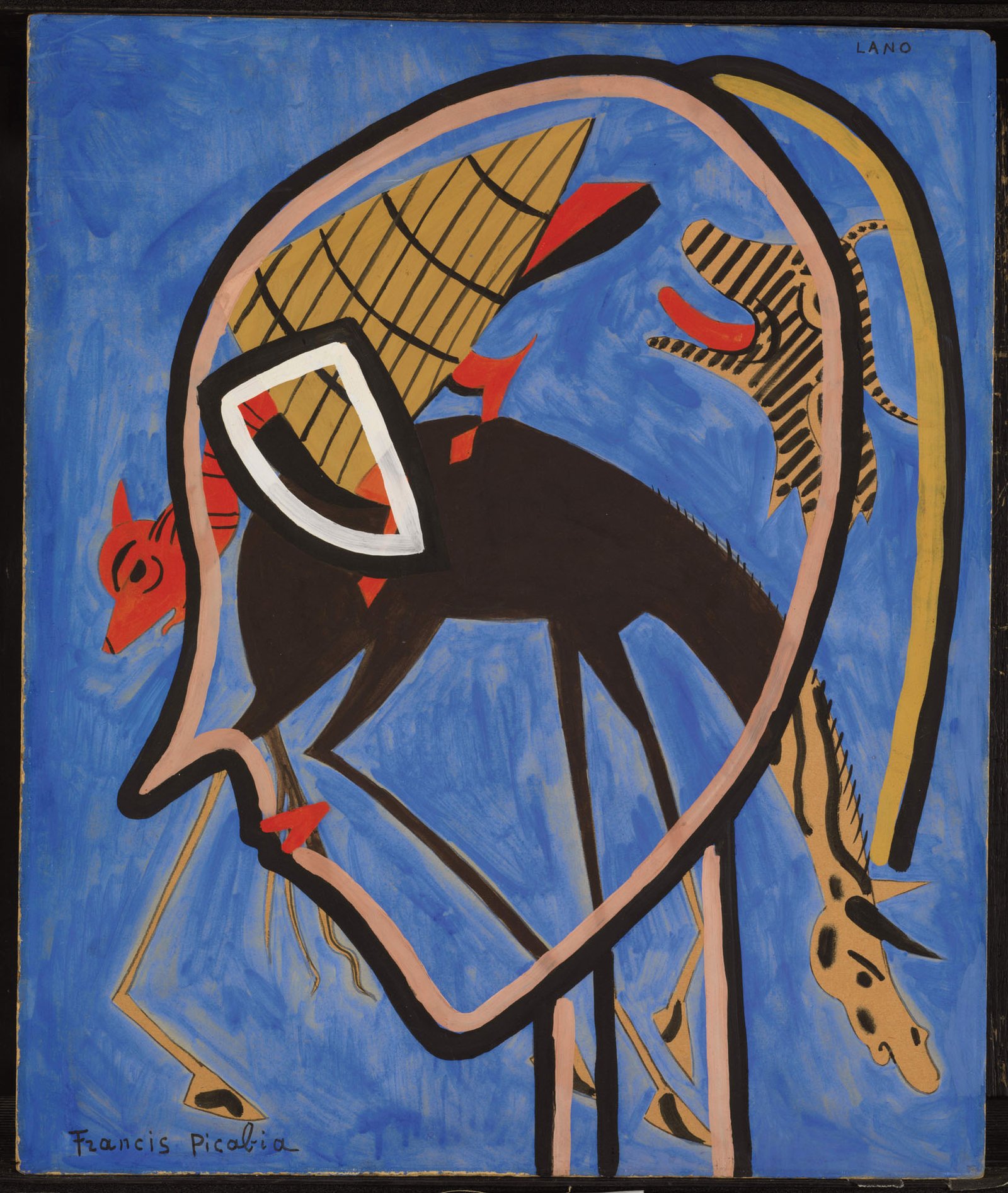
Picabia. Open the Gates of Night, a major Francis Picabia retrospective at the Palazzo Reale in Milan, presents more than 170 paintings, drawings and documents through the arc of a single night, curated by the artist's great-granddaughter Anne Berest with low-lit galleries, funhouse mirrors and a peep show.
Milan's Palazzo Reale has given Francis Picabia the largest retrospective ever staged in Italy, and it refuses to behave like a conventional survey. Picabia. Open the Gates of Night runs from 9 October 2026 to 24 January 2027, gathering more than 170 paintings, drawings and documents. Instead of arranging the work chronologically, the show follows the arc of a single night, from dusk to dawn, across eleven rooms that each stand for one hour after dark.
The writer Anne Berest, Picabia's great-granddaughter and co-author of the biography Gabriële, shaped the exhibition as an experience rather than a lesson. Visitors move through dimly lit galleries past sparkling lights, funhouse mirrors and a peep show of the artist's more explicit drawings, with themes of dancing, late-night encounters and sudden revelation. The final two rooms are fully illuminated, as though the party has ended and morning has arrived.
Born in 1879 to a French mother and Spanish father, Picabia moved restlessly between Impressionism, Fauvism, Cubism and Dada, keeping company with Duchamp, Apollinaire, Stieglitz, Satie and Stein. Childhood visits to Seville left him with images of Holy Week processions, flamenco dancers and bullfights that recur through the show, including loose pencil and watercolour studies of Sevillian women and the polka-dot pattern of flamenco dress. His Transparencies of 1927 to 1933, in which overlapping image planes resemble double-exposed photographs, came from a period when he was living through several loves at once.
The biographical framing gives the show its atmosphere but also its limits: by abandoning chronology, it offers feeling and intuition in place of historical argument, and the origins of key bodies of work end up scattered across different rooms. Even so, it captures the artist's own creed. As one of his aphorisms puts it: everything for today, nothing for yesterday, nothing for tomorrow.