Profile·Global
Peter Nagy, the American Dealer Who Carried Indian Contemporary Art to the World Stage, Dies at 67
Peter Nagy, the US-born artist and gallerist whose Nature Morte gallery became the engine of contemporary art in India, has died aged 67 after a long illness. In line with his wishes, the gallery's Delhi and Mumbai spaces remain open, its announcement says.
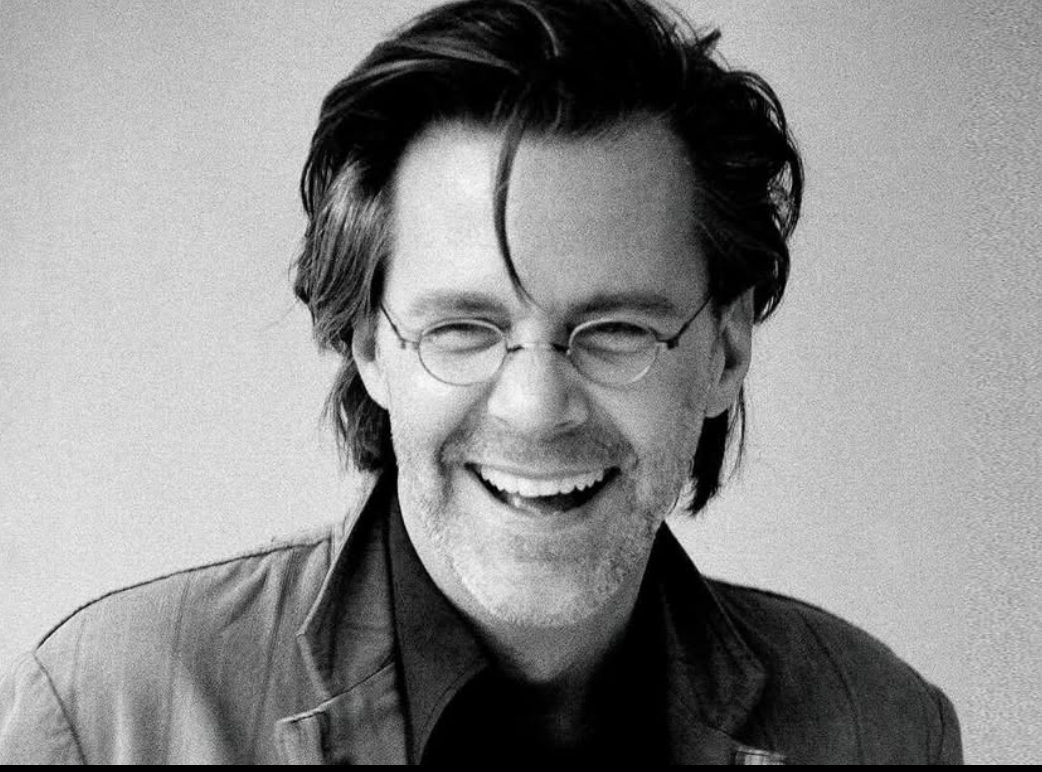
Peter Nagy, the US-born artist and gallerist whose Nature Morte gallery reshaped the course of contemporary art in India, has died at 67 after a long illness. The gallery confirmed his death on 13 October via social media, adding that its spaces in New Delhi and Mumbai will stay open in accordance with his wishes. "Peter was clear that, when the time came, the gallery should not close its doors in mourning," the announcement said. Nagy came of age in New York's 1980s East Village scene. His own art — notably the Xerox series of large paper collages built from brand logos and advertisements, and the Cancer paintings, which turned the logic of the disease into a system for generating new signs — blended neo-conceptualism and institutional critique with the aesthetics of Pop Art. In 1982 he co-founded Gallery Nature Morte with Alan Belcher, a space whose short run through 1988 featured Gretchen Bender, Vito Acconci, Not Vital and Pictures Generation figures including Cindy Sherman and Sherrie Levine. After moving to New Delhi in 1992, Nagy reopened Nature Morte there in 1997 and, as one of the few foreign-born dealers of South Asian contemporary art, helped launch the careers of a generation: Bharti Kher, Jitish Kallat, Raqs Media Collective, Reena Saini Kallat and Imran Qureshi are among the gallery's 41 artists. Experimental and peripatetic, the programme ran outposts in Kolkata and Berlin, staged the first Indian exhibitions by Alicja Kwade and Ai Weiwei, and made Nature Morte the first Indian gallery accepted by Art Basel, in 2006. It currently operates from Gulmohar Park in Delhi and a Mumbai space that opened in 2024. Nagy's own work is held by the Whitney Museum, the Museum of Contemporary Art in Los Angeles, the Brooklyn Museum and the Metropolitan Museum of Art. His passing closes one of the most unusual careers in the contemporary art world: an artist-dealer who carried the New York gallery model to India and spent three decades turning an outsider's eye into an engine for South Asian art.