Museum report·New York
Wright Wanted Red Marble for the Guggenheim; He Got Whitewash Instead
A new book on the cultural history of the color white revisits Frank Lloyd Wright's furious battle against white paint at the Guggenheim Museum, where the architect pushed for red marble cladding and objected that a white background was fit for a sepulchre.
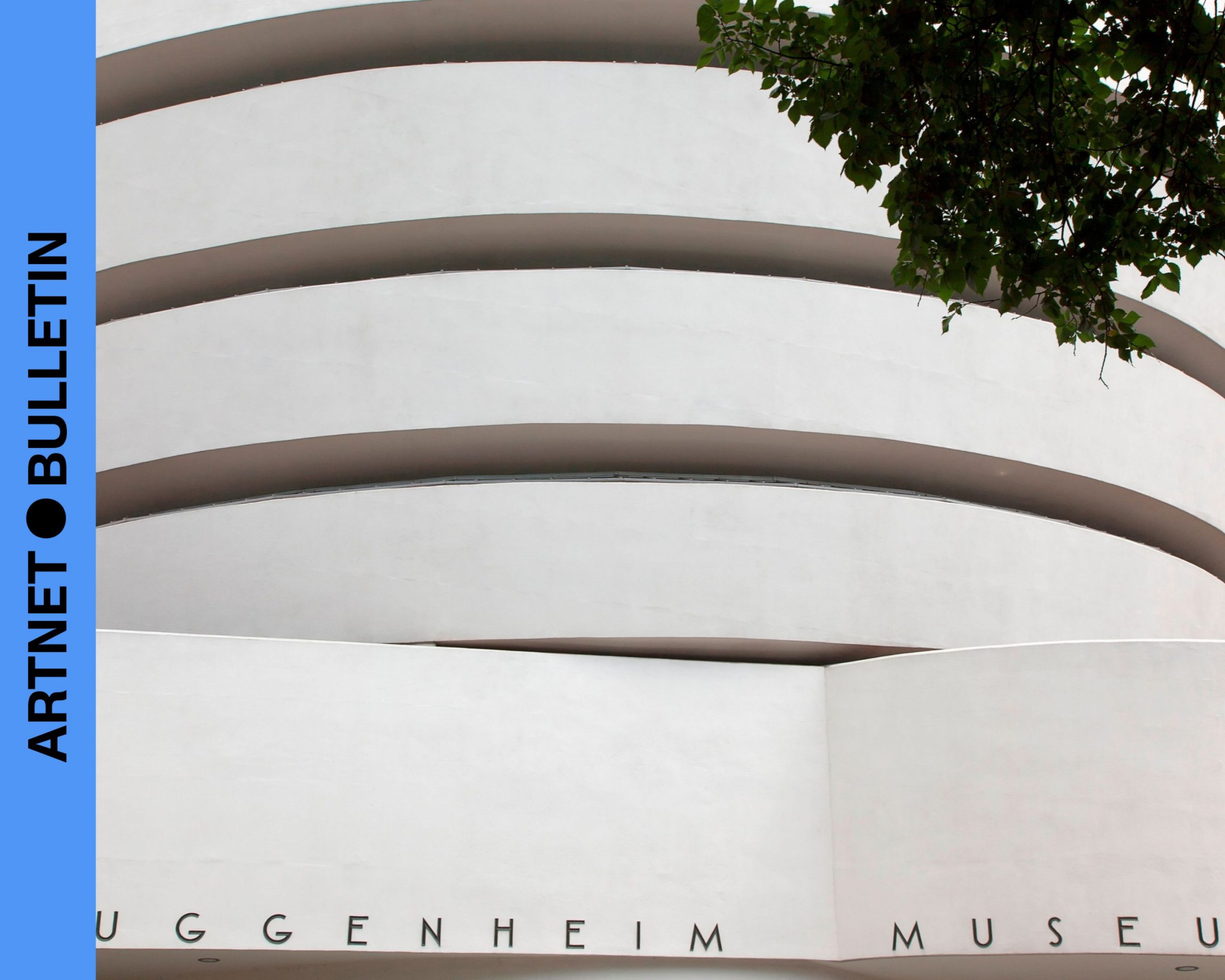
Frank Lloyd Wright never forgave the Guggenheim Museum for painting it white. The architect's doomed campaign for a red marble cladding — and his objections to the whitewashed interiors — gets a fresh telling in a new book by critic Wendy S. Walters, A Dead White, which sets out to unpack the cultural history of a hue that is technically not a color at all. The book was spotlighted as the lead item in Artnet's daily Bulletin on October 14, which notes that white has shaped art history and architecture in surprisingly colorful ways. According to the book's account, Wright wanted to clad the Fifth Avenue building in red marble, a proposal that the museum's director, Hilla Rebay, quashed. When the interiors were finished in white, Wright protested in writing to the Guggenheim, arguing that no true artist would choose a white background — a tone he said nature used only sparingly, for accent. His closing jab was memorably bleak: a human sepulchre, he wrote, is white. Why? The episode is a reminder of how contentious the Guggenheim's design was from the start, with Wright warring against the institution over everything from the building's shape to the way paintings would hang on its sloping walls. The color dispute adds a further layer: the white cube aesthetic that the museum helped normalise was, to its own architect, an affront. The Bulletin pairs the story with other dispatches, including fresh details on the recovery of two Renoir paintings worth $4.7 million stolen from a French museum last month — traced through DNA left on a protective sleeve — and an upcoming orchestral event and paintings exhibition celebrating Miles Davis's centenary. But it is the image of Wright, late in his career, seeing red over the whitewash that lingers: one of architecture's defining monuments was, in its creator's eyes, painted the wrong color.