Museum report·Oxford
Oxford Returns 39 Naga Ancestors' Remains After a Century in Its Museum
Oxford University's Pitt Rivers Museum handed over the ancestral remains of 39 Naga people to community representatives on 9 November, the first repatriation of Indigenous human remains to India. The remains, mostly skulls taken between 1910 and 1940, will be buried at Naga Solidarity Park in Kohima.
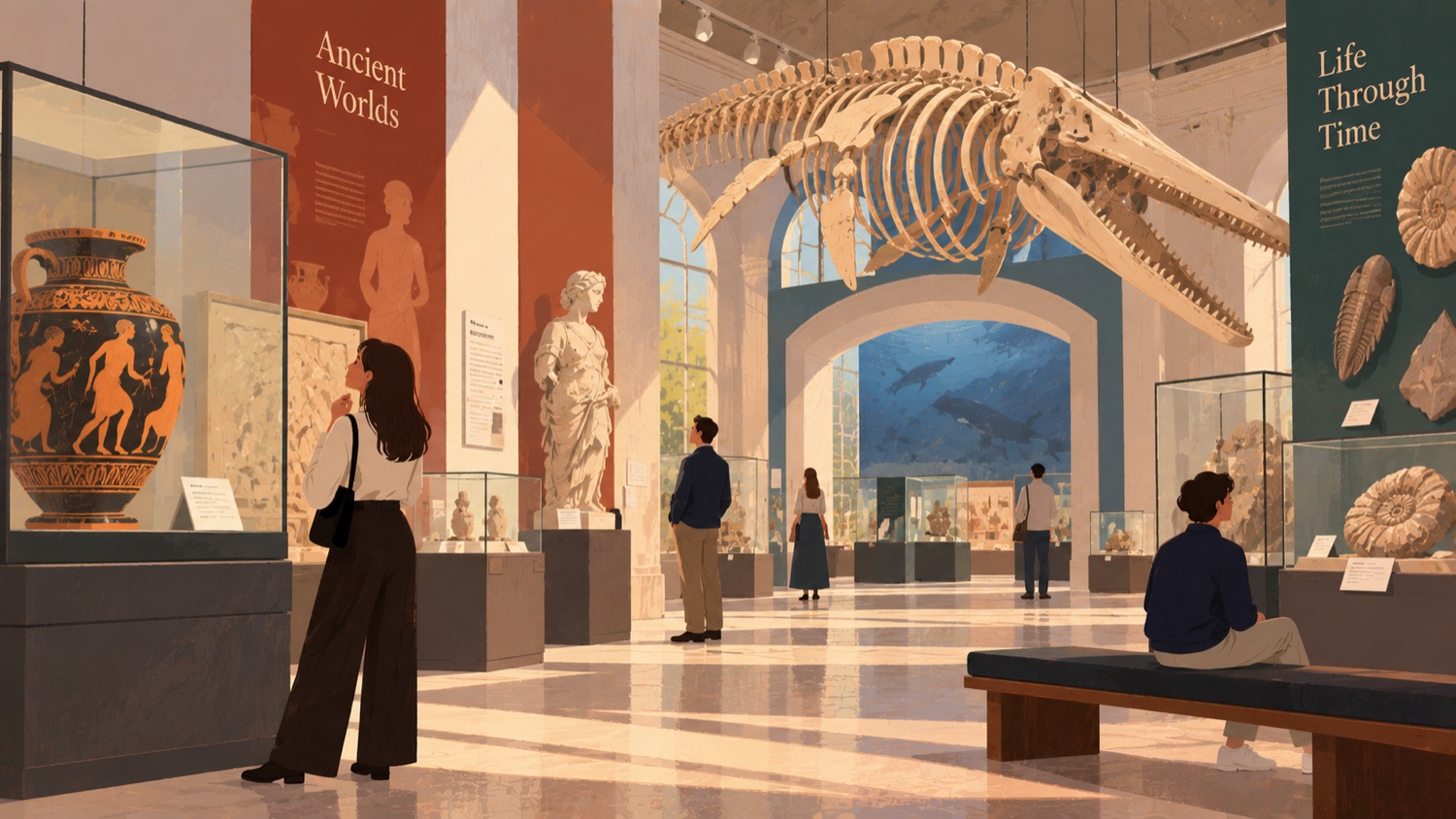
The University of Oxford has returned the ancestral remains of 39 Naga people to their community in India, more than a century after they were taken during British colonial rule. The remains, mostly skulls, were formally handed over at the Pitt Rivers Museum on Monday 9 November in a ceremony attended by around 30 delegates from Nagaland, the mountainous state in north-eastern India bordering Myanmar.
The remains were collected between 1910 and 1940 by colonial administrators who were also anthropologists, and the museum's own website notes that many items from the period were confiscated during punitive military expeditions rather than freely given. They were displayed in the museum for decades before all human remains were removed from public view in 2020. Pitt Rivers holds more than 6,000 objects linked to Naga culture, the largest such collection in the world.
The handover was received by the Forum for Naga Reconciliation and the Naga Tribe Hoho, with a transfer document signed by museum director Laura Van Broekhoven and forum representative Rev. Dr Wati Aier. Van Broekhoven described the return as a historic moment. The remains will now travel to Nagaland, where tribal leaders plan to bury them together under a joint memorial at Naga Solidarity Park in Kohima, giving them what one leader called a respectful rest.
The return is the first repatriation of Indigenous human remains to India, and one of the largest community-led, single repatriation efforts in Asia. The process was led by the forum's Recover, Restore and Decolonise team, working with Naga anthropologist Dolly Kikon of the University of California, Santa Cruz. A first Naga delegation travelled to Oxford in June 2025 to present its formal appeal, and the museum announced in September that the remains would be returned. Oxford declined one additional claim because the origins of those remains could not be established. Around 2,700 human remains are still held in storage at the museum.