Exhibition preview·New York
'Overexposed' Pairs a Century of X-Ray Cinema With 16 Contemporary Artists in Queens
The Museum of the Moving Image in Astoria, Queens, is showing 'Overexposed: Art, Technology, and the Body' through January 3, 2027. The exhibition traces 134 years of technologies for viewing the body's interior, from a Lumiere X-ray film of 1897 to 16 contemporary artists, with a program of related screenings and talks.
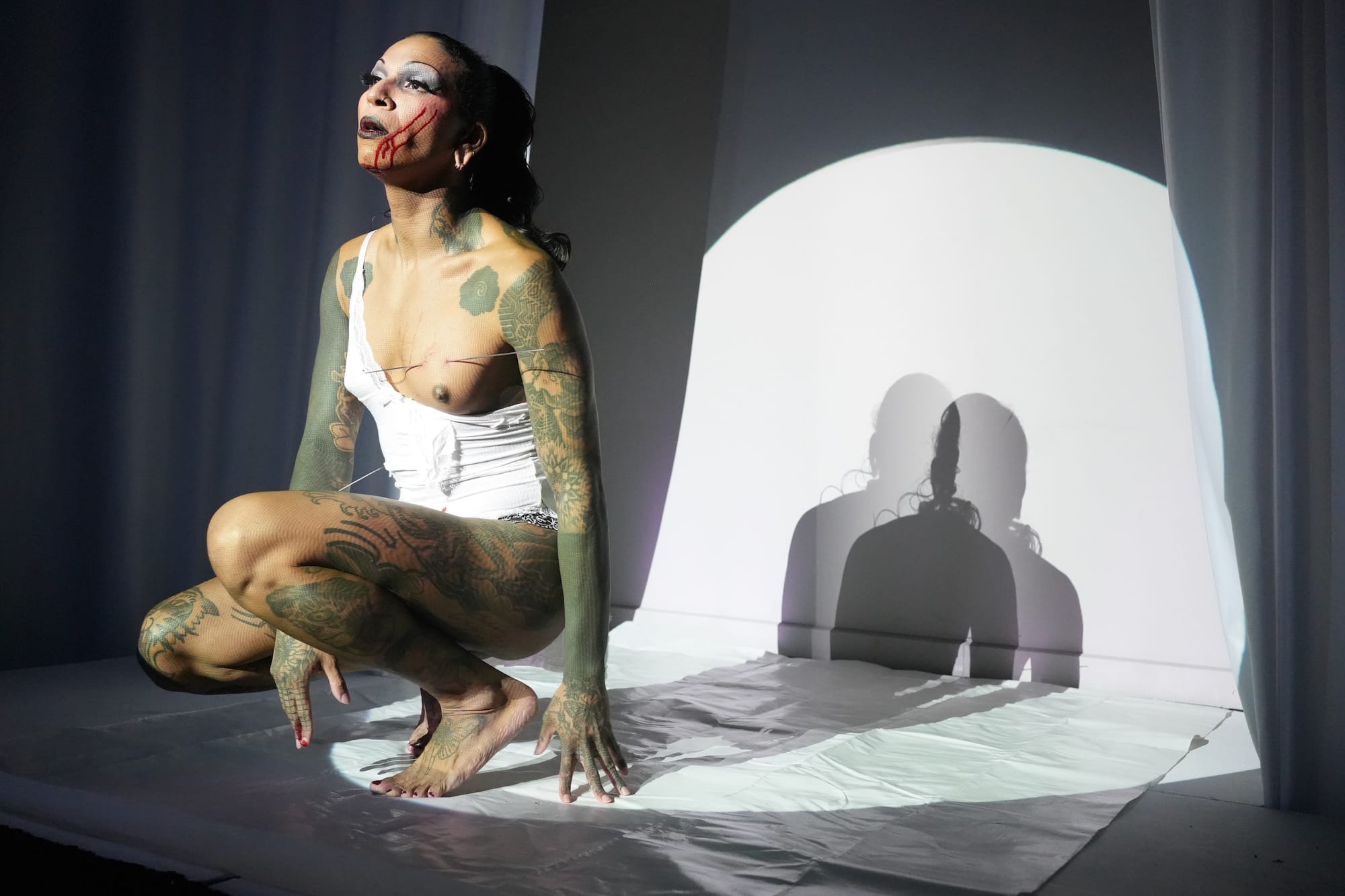
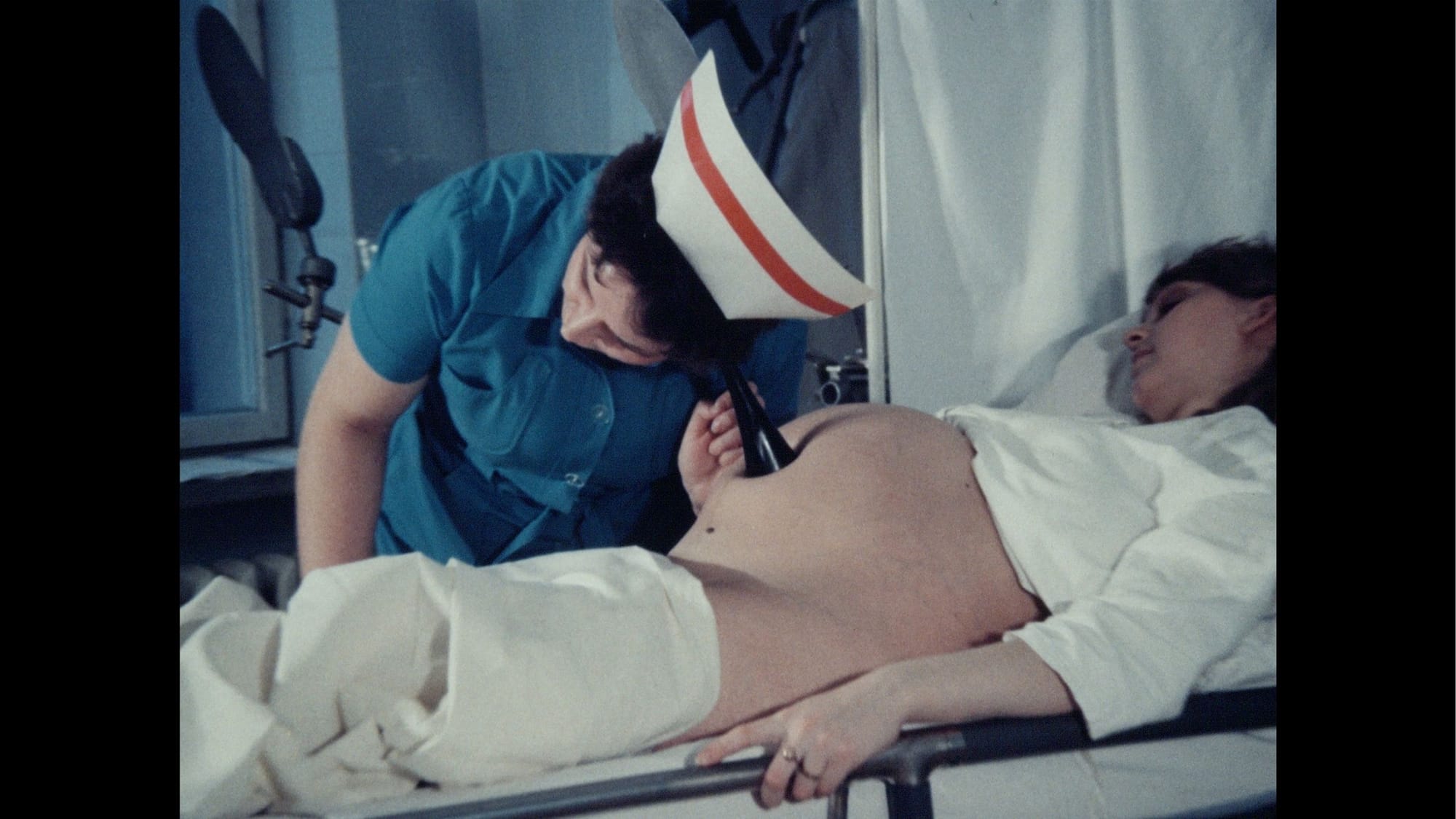
The Museum of the Moving Image in Astoria, Queens, is presenting Overexposed: Art, Technology, and the Body, an exhibition tracing how technologies for seeing inside the human body reshaped modern ideas of the self, science, power, and care. It runs through January 3, 2027. The show takes 1895 as its hinge year: cinema let artists and scientists record motion for the first time, while X-ray technology extended vision beneath the skin. Together, the two inventions produced spectacular images that transformed how people understood the body. Decades of educational and research films about improved internal imaging sit alongside works by 16 contemporary artists reflecting on the scientific and sociopolitical stakes of the evolving medical industry. Among the historical anchors is Film Lumiere no. 831, Le Squelette Joyeux, made by Louis and Auguste Lumiere in 1897, paired in the exhibition's imagery with Zuza Banasinska's 2024 video Grandmamauntsistercat. Barbara Hammer's 1990 Sanctus, a 16mm film transferred to high-definition video, is also featured. Curator of science and technology Sonia Shechet Epstein, who organized the exhibition, frames it around the human desire to see inside the body and the social and political consequences of the tools built to do it. The museum has built a program of related events around the show, including screenings of Richard Fleischer's Fantastic Voyage, David Cronenberg's Dead Ringers and The Brood, and Claire Simon's Our Body. On November 5, a program titled Visible Humans brings ophthalmologist and photographer Benjamin Freeman together with curator Elisabeth Sherman to discuss the Visible Human Project.