Profile·The Hague
Hague painter Nabila Ayu Aviani turns Gen Z club nights into portraits of belonging
Indonesian-born, Netherlands-based painter Nabila Ayu Aviani builds figurative canvases from photographs of friends' nights out, exploring belonging and identity between cultures. A recent Singulart interview traces her shift from emotionally charged confessionals to celebratory group scenes.
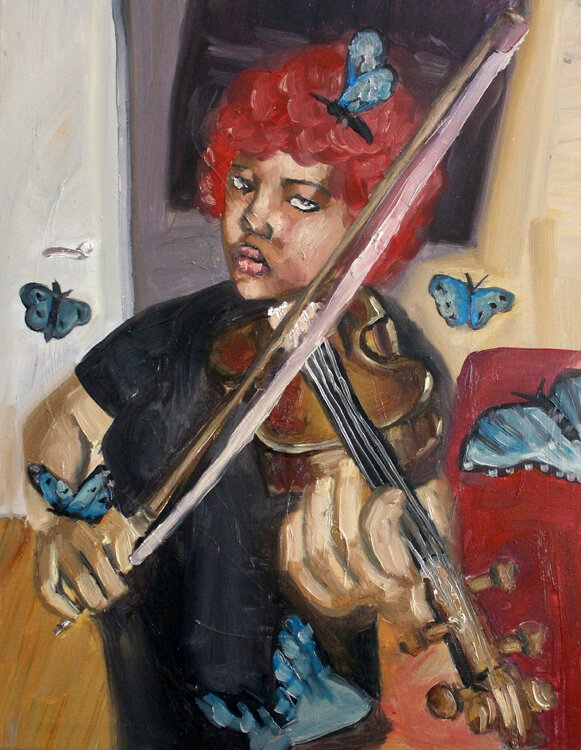
Indonesian painter Nabila Ayu Aviani, based in The Hague, makes large figurative paintings about the late-night social life of her generation. In an interview published by the online marketplace Singulart on October 10, 2026, she describes documenting friends during pre-drinks and club nights at Paardcafe in The Hague, then digitally collaging the photographs into new compositions that become her painting references. Aviani graduated with a BA in Fine Arts from the Royal Academy of Art (KABK) in The Hague. Her graduation project, titled "This is a list of my confessions I couldn't say…", was an emotionally raw body of work shaped by intense psychological strain; at one point she says she could no longer look at her own paintings. A turn toward collaging images of friends offered relief, and she now builds complex group scenes in which, as she puts it, there is always one central figure — a playful nod to the "main character" dynamics of social spectacle. Her biography feeds the work's recurring concern with in-betweenness. Born in Indonesia and raised partly in the United Arab Emirates before moving to the Netherlands, she describes a culturally unsettled identity that she channels into images of acceptance and togetherness. The painting she singles out as most representative, "What We Do In Life Echoes in Eternity," dwells on the quiet aftermath of shared moments, while "Girls Just Want To Have Fun" portrays feminine friendship and sexuality through what she frames as the female gaze. Aviani says she is currently composing a painting about romantic love featuring her husband, a rare appearance for him in her work. Her trajectory — from private confession to crowded, inclusive scenes — positions her as one of the more distinctive emerging figurative voices on the Dutch marketplace circuit.