Museum report·Paris
Picasso museum opens 300-work Kurt Schwitters retrospective, the first in France for 30 years
The Musée national Picasso-Paris has opened 'Kurt Schwitters. Le chaos-monde. 1918–1948', running 6 October 2026 to 7 February 2027: more than three hundred works and documents co-organised with MoMA New York, the first major French retrospective of the artist in over three decades.
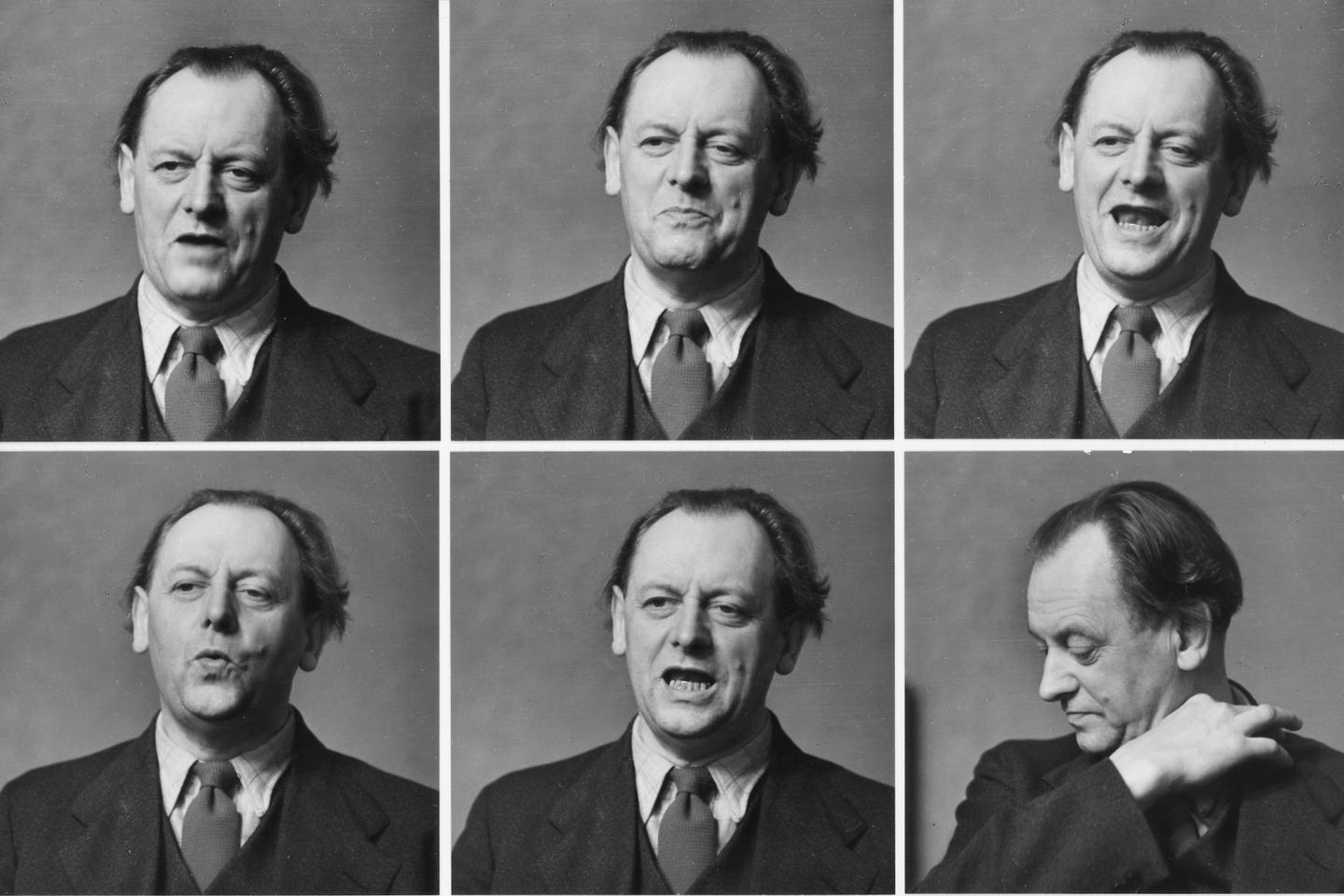
The Musée national Picasso-Paris opened its flagship autumn exhibition on 6 October: 'Kurt Schwitters. Le chaos-monde. 1918–1948', on view until 7 February 2027. Organised with the Museum of Modern Art in New York, it assembles more than three hundred paintings, sculptures, collages, assemblages, sound-poetry pieces and archival documents — the first large-scale French retrospective of the German artist in over thirty years. Schwitters (1887–1948) was a one-man avant-garde. Moving at the margins of Dada, constructivism and geometric abstraction, he founded his own current, Merz, and revolutionised the very matter of art by building poetic, tightly composed works out of discarded things: newspapers, tickets, scraps of wood, string and everyday rubbish. The exhibition follows his concept of the total artwork across three decades, showing how fragments of the modern world — a military photograph here, an advertisement there, a torn label — become, through metonymy and juxtaposition, a portrait of the commercial, bureaucratic age he lived through and despised. The hang is alert to the formal echoes between Schwitters and his contemporary Picasso, whom the German artist both admired and gently parodied. The 1931 polychrome relief 'Comme chez Picasso', at once homage and pastiche, greets visitors at the entrance. A rich programme of sound-poetry evenings and colloquia accompanies the show, including the ornithological performance 'Étourneaux' — a transposition of his celebrated sound poem 'Ursonate' — staged in the museum garden on 10 October. The museum, in the Hôtel Salé at 5 rue de Thorigny, is open Tuesday to Sunday from 9.30am to 6pm and closed on Mondays; timed online tickets cost around €16 at full price.