Museum report·Mantua
14 Years On, Mantua's 1,000-Room Palazzo Ducale Is 99% Restored
Fourteen years after earthquakes in Emilia-Romagna damaged Mantua's Palazzo Ducale, restoration of the 35,000-square-meter complex is about 99% complete, its director says.
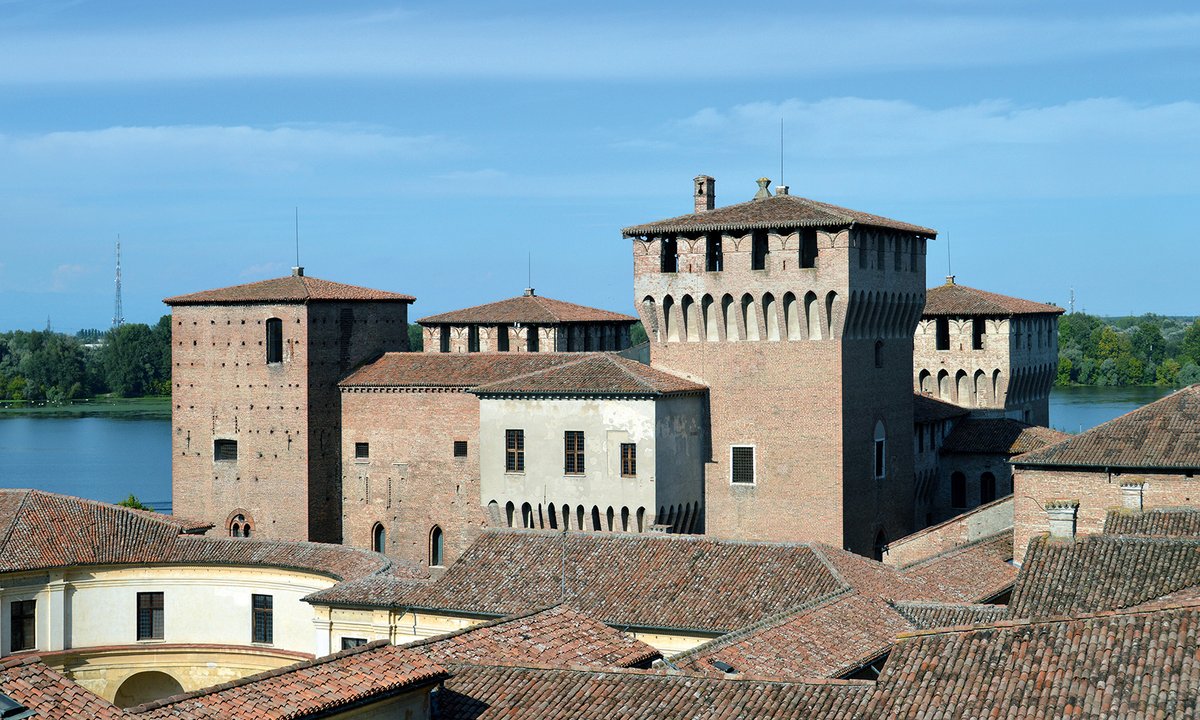
Fourteen years after two powerful earthquakes centered in Emilia-Romagna damaged one of Italy's most important cultural sites, the restoration of Mantua's Palazzo Ducale is nearing completion. Around 99 percent of the work has been done, according to the palace's director Stefano L'Occaso, with the ambitious project set to cross a threshold this autumn. The complex is vast: 35,000 square meters and some 1,000 rooms, dating from the 13th century and extended over centuries by the Gonzaga dynasty, whose court made Mantua one of Italy's leading Renaissance centers. The restoration has combined anti-seismic structural interventions with the refurbishment of elaborate original finishes, a dual challenge in a building that accumulated layers across seven centuries. Art historians rank the palace among Italy's great surviving residences. Stephen J. Campbell, a professor of art history at Johns Hopkins University and author of a monograph on Andrea Mantegna, the Gonzagas' court painter, notes that comparable palaces in Milan, Ferrara, Bologna, and Naples were lost altogether or survive in reduced and mutilated form. Mantua's palace, by contrast, preserves several phases of its construction, making it best comparable to the Vatican Palace. The building's history mirrors Italy's turbulence: from the late 1620s the legendary Gonzaga art collection was sold off and scattered, and much of the furnishing was looted or displaced over time. After Gonzaga rule ended in the early 18th century, the complex served as a Habsburg residence and even a political prison before opening as a museum in the late 19th century. It earned UNESCO World Heritage status, with the rest of historic Mantua, in 2008. The near-completion of the restoration marks the end of a 14-year chapter and the return of a Renaissance landmark to full strength.