Exhibition preview·Seoul
She Built a Chatbot Confidante in 2002 and Faked an Identity in 1975: Lynn Hershman Leeson Gets Her First Asian Museum Solo in Seoul
The Seoul Museum of Art will present 'Lynn Hershman Leeson: First Person Plural', the American media artist's first museum solo exhibition in Asia, from 21 October 2026 to 21 February 2027. The free-admission survey spans six decades of work on technology, identity and surveillance, from the fictional persona Roberta Breitmore to the web-based Agent Ruby.
The Seoul Museum of Art will present 'Lynn Hershman Leeson: First Person Plural' at its Seosomun Main Branch from 21 October 2026 to 21 February 2027. Billed as her first Asian museum solo, the free-admission show surveys six decades of the American media artist and filmmaker's practice, responding to the museum's 2026 exhibition theme, 'Technology'.
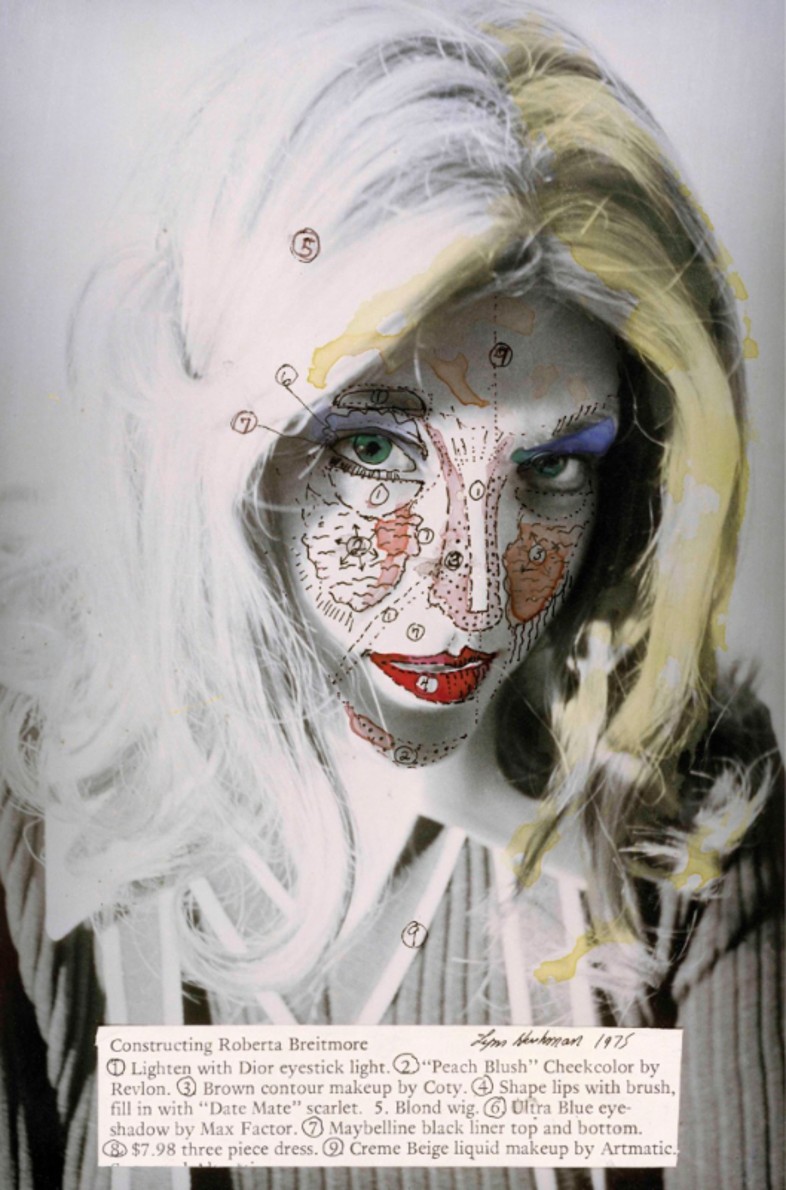
Born in 1941, Hershman Leeson has spent her career probing technology, identity and surveillance. In 'Roberta Breitmore', developed in the 1970s, she invented a fictional woman and lived as her in the real world: Roberta had her own clothing, makeup, gestures and handwriting, opened a bank account, placed newspaper advertisements seeking a roommate and formed relationships with other people, while other performers later embodied her so that a single identity existed across multiple bodies. The project anticipates today's digital avatars and exposes how appearance, behaviour, documents and institutions establish a person's existence.
In 'Lorna' (1979–1984), viewers use a remote control to steer the story of a woman cut off from the outside world; the narrative's sequence and ending change with each viewer's choices. ZKM | Center for Art and Media Karlsruhe calls it the first videodisc artwork in art history to enable user interaction. 'Agent Ruby' (1998–2002) lets users converse with a virtual woman on screen, asking why people speak to virtual beings and what makes a machine's response feel intimate. 'The Infinity Engine' (2014) reconstructs a genetics laboratory to examine bioprinting and genetic modification.
Announced works range from 'Breathing Machine III' to 'CybeRoberta' (1996/2026) and the recent 'Self Portrait' and 'About Time' (both 2025). 'The Electronic Diaries of Lynn Hershman Leeson' (1984–2019) turns the inquiry inward: speaking to the camera about her anxieties and trauma, she fragments, multiplies and mirrors her image, making the camera both a recording device and a means of reconstructing the self. The title 'First Person Plural' points to multiple selves built through social relationships, media and technology rather than any single identity. At a moment when AI generates the language and images of everyday life, the show argues that surveillance and selfhood have been under artistic examination for decades.