Profile·New York
Inside Julianne Moore's Art-Filled West Village Duplex
Actor Julianne Moore's two-bedroom West Village duplex, shared with her husband, film director Bart Freundlich, houses works by Louise Bourgeois, Nan Goldin, David Armstrong, and Robin Rice.
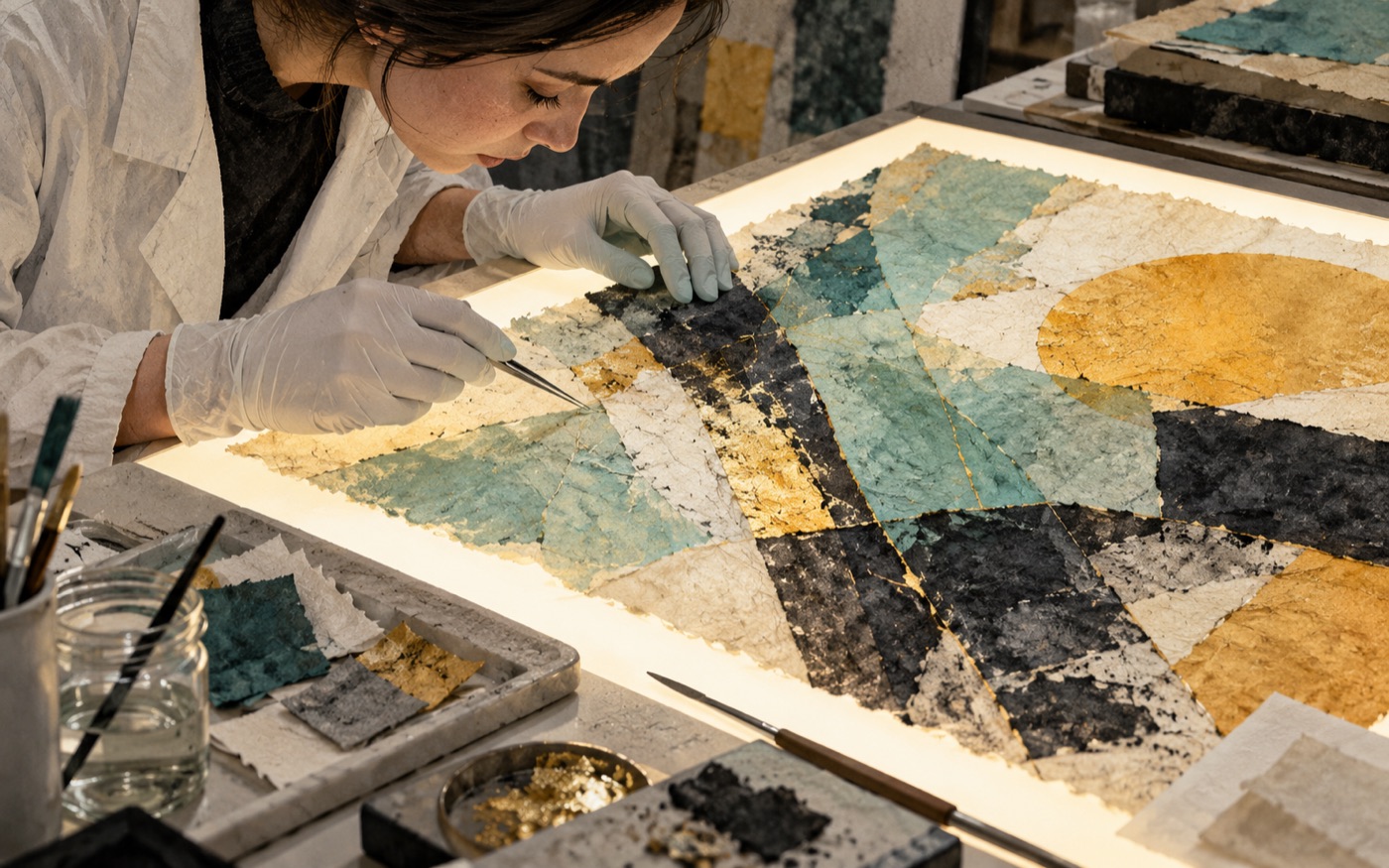
Julianne Moore does not live like a typical Hollywood star. The actor resides with her husband, film director Bart Freundlich, in a two-bedroom duplex tucked away in Manhattan's West Village, a home that doubles as a quietly serious collection of modern and contemporary art. The apartment holds works by Louise Bourgeois, Nan Goldin, David Armstrong, and photographer Robin Rice, artists whose practices span sculpture, intimate documentary photography, and portraiture. Moore has described her taste as consistent though evolving, rooted in a love of modernism, while acknowledging that the prewar architecture of the apartment demands its own response. The space is neither tiny nor massive, she has said, so materials and choices carry particular weight. The presence of Bourgeois and Goldin places the collection in a distinctly art-world register. Bourgeois, who died in 2010, remains one of the most consequential sculptors of the 20th century, her spiders and sewn figures now fixtures of major museum collections worldwide. Goldin's diaristic color photography, from The Ballad of Sexual Dependency onward, redefined how the medium records private life and chosen family. Armstrong, associated with Boston's photographic scene, is known for intimate portraits, while Rice has built a following for her luminous still lifes and images of birds. Moore, an Academy Award winner for Still Alice, has long been known for a personal style that favors restraint over spectacle, and the apartment appears to extend that sensibility to her surroundings. The duplex reportedly balances the building's prewar bones with modernist furnishings, allowing the artworks to sit within daily life rather than in a gallery-like display. Celebrity collecting often makes headlines at auction, but Moore's home suggests a different model: a lived-with collection assembled for a domestic interior rather than an investment portfolio. In a market increasingly driven by trophy acquisitions, the two-bedroom duplex offers a reminder that some of the most considered collections are the ones nobody sees.