Art world report·Global
James Wines's Sinking Cars and Crumbling Storefronts Get Their Due in a New Skira Survey
A new book from Skira, What Else Could It Mean?, surveys five decades of James Wines's work with SITE, the studio behind the BEST Products stores and the Ghost Parking Lot that buried twenty cars under asphalt.
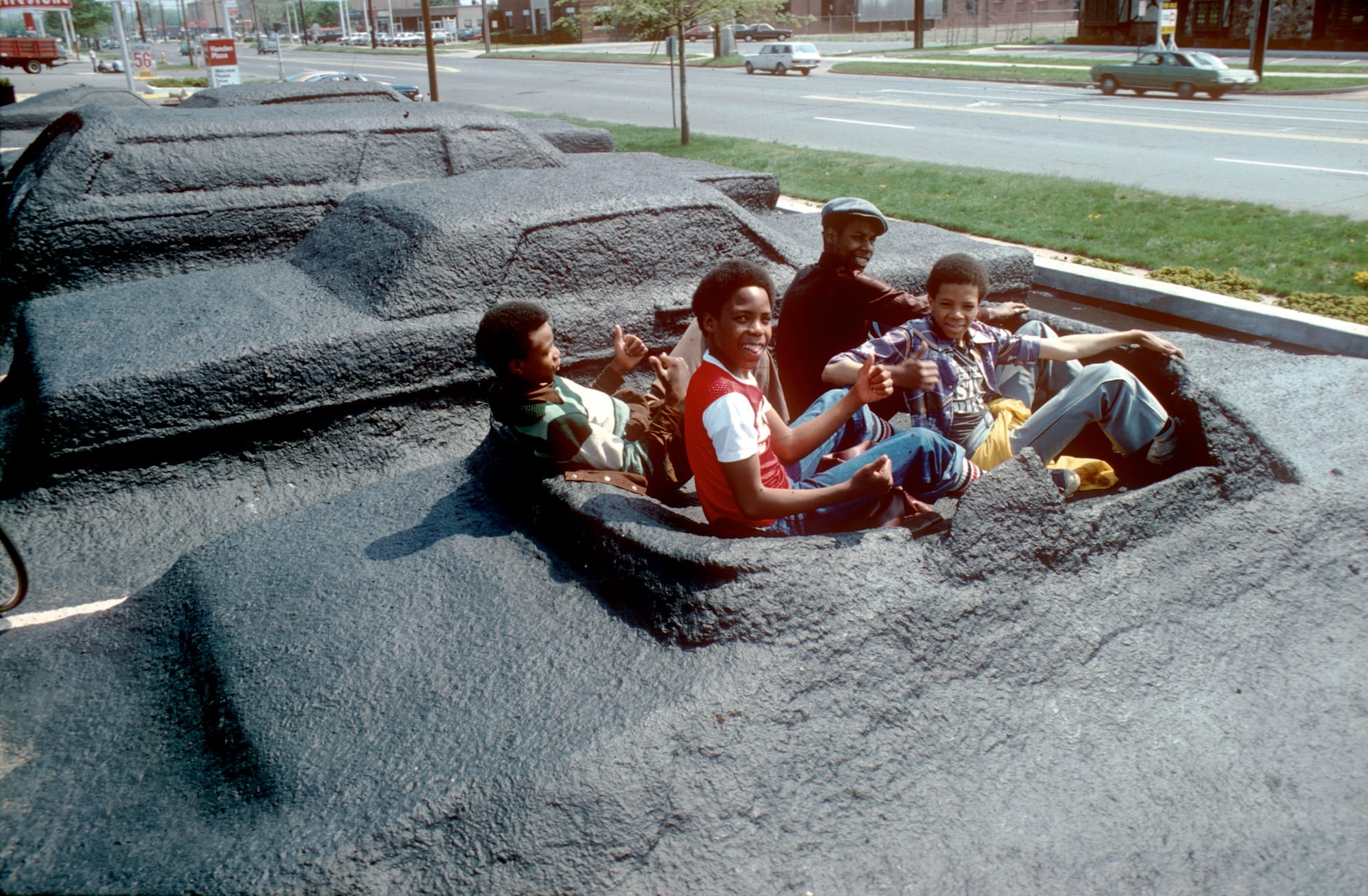
James Wines has spent five decades treating buildings as jokes, warnings and works of art, often all at once. A new book from Skira, What Else Could It Mean?, gathers the drawings, renderings and writings behind that career, alongside archival photographs of the projects realised by SITE, the New York studio Wines founded in 1970, whose portfolio spans commercial construction, urban infrastructure and public art. The survey showcases dozens of projects from across that oeuvre, from the BEST stores to the buried cars of Ghost Parking Lot.
Wines describes in the book's preface how months spent in Rome after college, absorbing the city's religious designs and civic architecture, shaped the sensibility that became his signature. The studio's best-known work came through its designs for the BEST Products Company, a big-box retailer that operated for four decades, for whom SITE produced a series of stores that appeared to be collapsing, peeling or sinking into the earth.
The most extreme of those gestures was Ghost Parking Lot in Hamden, Connecticut, an enormous and immovable piece of public art that buried twenty cars beneath the asphalt of a shopping centre car park. It remains one of the starkest images of late-20th-century American consumer culture rendered in built form.
The book collects rarely seen documents from across the SITE archive, tracing a practice that moved freely between commercial construction, urban infrastructure and public art. For a studio whose work was often experienced by shoppers who never knew they were looking at art, the survey offers a first full account of how wit and play became a serious architectural language.