Market dispatch·New York
Court Bars Chicago Dealer Kavi Gupta From Selling Dozens of Disputed Artworks
A New York judge has temporarily barred Chicago dealer Kavi Gupta and his gallery from selling or dealing in dozens of disputed artworks, art law firm Grossman LLP announced Oct 2. The order stems from a clash with Longcraft LLC, which paid $2.05M in May 2025 for ~150 works, consigned them back for resale, and now seeks their return.
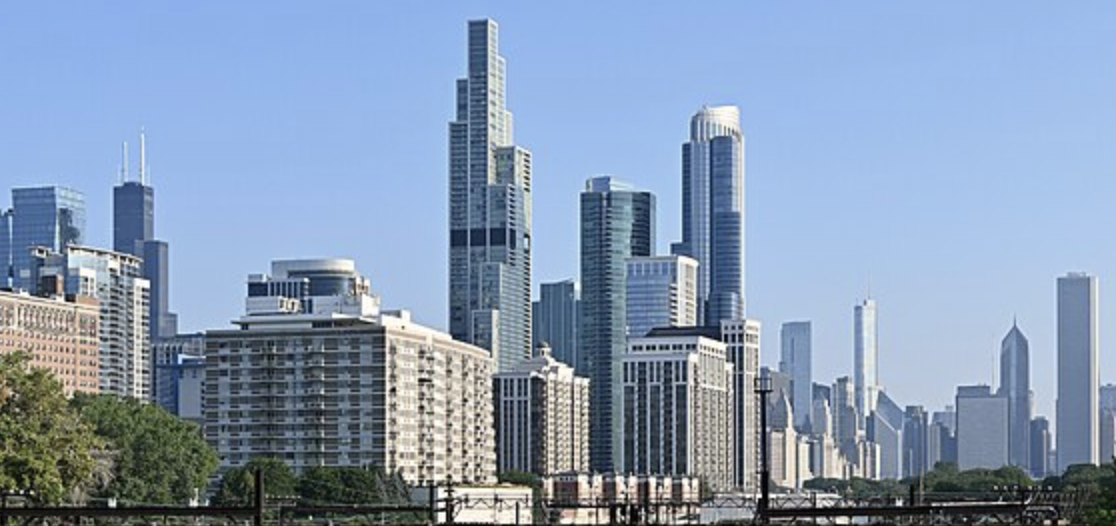
A New York judge has granted a temporary restraining order barring Chicago art dealer Kavi Gupta and his gallery from selling, marketing or otherwise disposing of dozens of artworks at the center of a legal battle, art law firm Grossman LLP announced on October 2, 2026. The order freezes the status quo while the underlying dispute over the works plays out in court. The case pits Gupta's gallery against Longcraft LLC, which paid $2.05 million in May 2025 for approximately 150 artworks and then consigned them back to the gallery to sell on its behalf. Longcraft is now seeking the return of the works, and Grossman LLP says it represents the client pursuing their recovery. The firm's announcement presents the restraining order as an early development in that effort. Temporary restraining orders are short-term measures meant to prevent harm before a fuller hearing can take place, and the practical effect here is that the gallery cannot move, sell or otherwise deal with the disputed collection in the meantime. For a business built on buying and selling art, such an order can be deeply disruptive even before the merits of the case are decided. The dispute drew wider attention the same week: Newcity's 'Today in Culture' roundup on October 2 noted the Kavi Gupta matter while citing ARTnews's reporting, a sign that the case is being watched beyond the courtroom. The case centers on a consignment arrangement — a common art-market practice in which a dealer sells works on an owner's behalf — that has broken down into litigation.