Museum report·Rome
Rome's national modern art gallery launches a sound-led tour that re-reads its collection
The Galleria Nazionale d'Arte Moderna e Contemporanea in Rome has introduced Guarda oltre, a new audio tour that pairs soundscapes with artworks to offer visitors fresh interpretations of the collection.
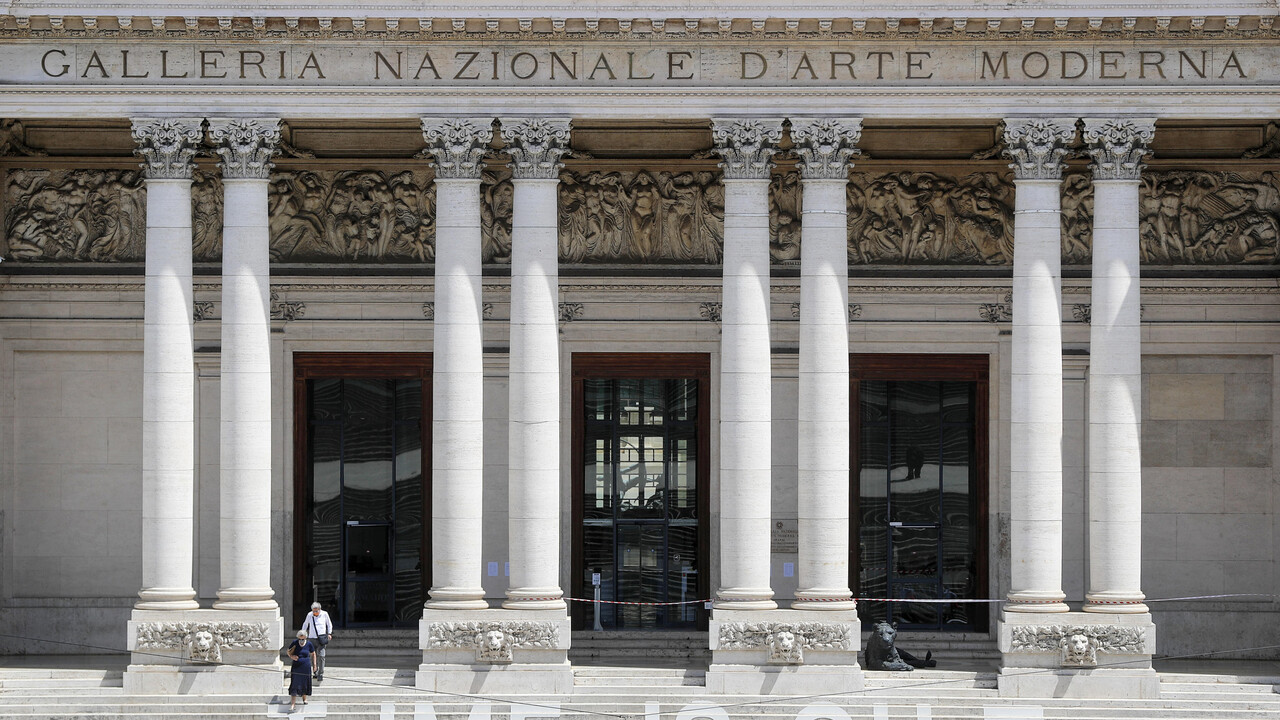
Rome's Galleria Nazionale d'Arte Moderna e Contemporanea, known as GNAMC, has launched a new audio tour designed to change how visitors encounter its collection. Titled Guarda oltre, the project weaves soundscapes into the gallery visit, giving each selected work a narrative and analytical layer that goes beyond the wall label. The museum says the tour is now available to the public and is intended to encourage visitors to look at familiar pieces from unfamiliar angles. The idea is straightforward but reflects a wider shift in how national museums present permanent collections. Rather than adding more objects, GNAMC is adding more ways of seeing the objects it already holds. Sound is the chosen medium: ambient compositions and spoken context accompany the visitor through the rooms, drawing attention to details, histories and interpretations that a silent walk might miss. The gallery, set in the Villa Borghese park, holds more than 5,000 paintings and sculptures across 75 halls, spanning two centuries of Italian and international art, so a guided listening route also helps visitors navigate a collection that can otherwise feel overwhelming. The launch comes during a busy autumn for the museum. Its photography show devoted to the fashion duo Luigi and Iango, Corpi speciali, opened on October 13 and runs to November 29, while the Fendi and Karl Lagerfeld exhibition After Steps Through Work closes on October 25. The audio tour therefore arrives as a permanent addition rather than a temporary attraction, a piece of visitor infrastructure that will outlast the current exhibition cycle. For a museum whose collection ranges from 19th-century Italian painting to contemporary work, the ability to refresh interpretation without rehanging galleries is a practical advantage, and Guarda oltre is an early test of how far sound alone can carry that renewal.