Museum report·Cusco
$5M Rescue for an Earthquake-Battered Andean Church and Its Lost Bitti Paintings
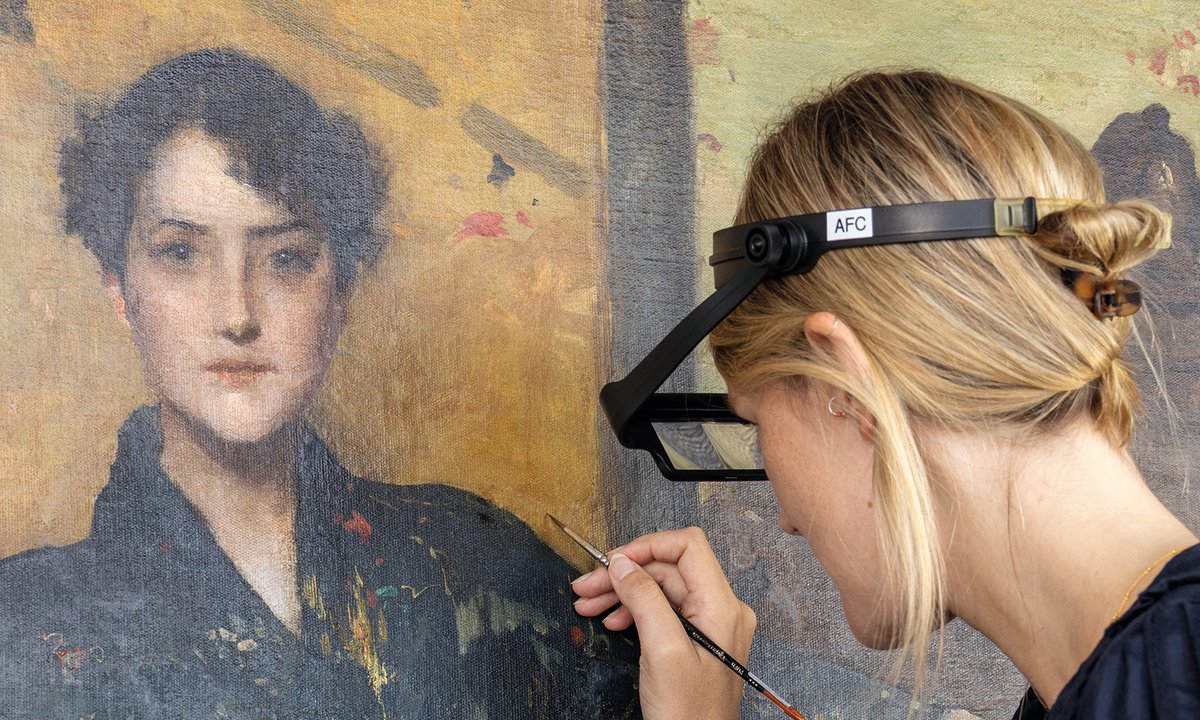
The Getty Conservation Institute is joining Peru's Ministry of Culture on a five-year, $5 million project to stabilise the 17th-century Church of Rondocan in the Cusco region and conserve its collection of more than 300 objects, including eight paintings by Bernardo Bitti.
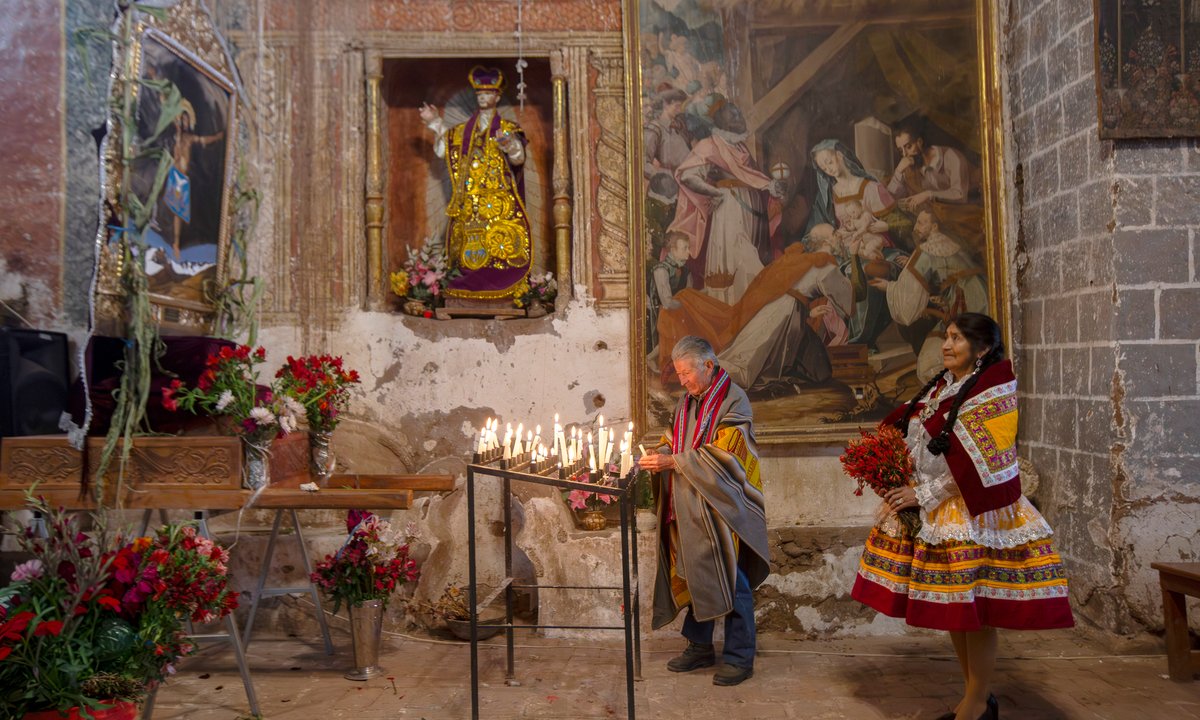
An art-filled 17th-century church high in the Peruvian Andes is to undergo five years of conservation work in a project led by the Getty Conservation Institute and Peru's Ministry of Culture. The Church of Santo Tomas de Aquino, known locally as the Church of Rondocan after the town in the Cusco region where it stands, sits 3,400 metres above sea level in earthquake-prone country, and past tremors have damaged both the building and the collection it holds.
The project, called Sacred Heritage in the Andes, will strengthen the 340-square-metre earthen church against future quakes and conserve its collection of more than 300 historical objects. Among them are eight paintings by Bernardo Bitti, the Italian Jesuit priest who introduced Mannerism to the Viceroyalty of Peru in the 16th century, including a series once thought lost. Experts from across the Getty will work with the regional culture office in Cusco to draw up a full conservation and retrofitting plan using local materials, skills and equipment.
The Peruvian government will finance the work, which is expected to cost $5 million, with construction due to begin in 2027. Claudia Cancino, a principal project specialist at the Getty Conservation Institute, said the approach would rely on techniques suited to earthen buildings, minimising the loss of historic fabric while improving the structure's performance in an earthquake.
The church is the latest focus of the institute's Seismic Retrofitting Project, which has already worked on similar sites in the region, including the Church of Kunotambo, where a decade-long collaboration was celebrated in June. The Rondocan project will also create long-term monitoring and maintenance plans so the church, still a gathering place for the surrounding community, can be cared for after the conservation work ends.