Exhibition preview·New York
Students Turn a Vacant Midtown Office Floor Into a 50-Artist Exhibition
Visual Arts students at Columbia University School of the Arts have created and curated 260 Madison, an artist-run group exhibition filling a former shopfront and a full vacant office floor in a Midtown Manhattan tower, with more than 50 artists exploring technology, work and institutional power. It runs through November 22.
Two Visual Arts students at Columbia University School of the Arts have built an exhibition out of empty commercial space in Midtown Manhattan. Shaina Tabak and Dayana Matasheva, a video student, working with Matasheva's partner Edson Niebla Rodriguez under the collective name Demon Lovers Inc., have created and curated 260 Madison, a free artist-run group show inside the AmTrustRE office building at Madison Avenue and 39th Street.
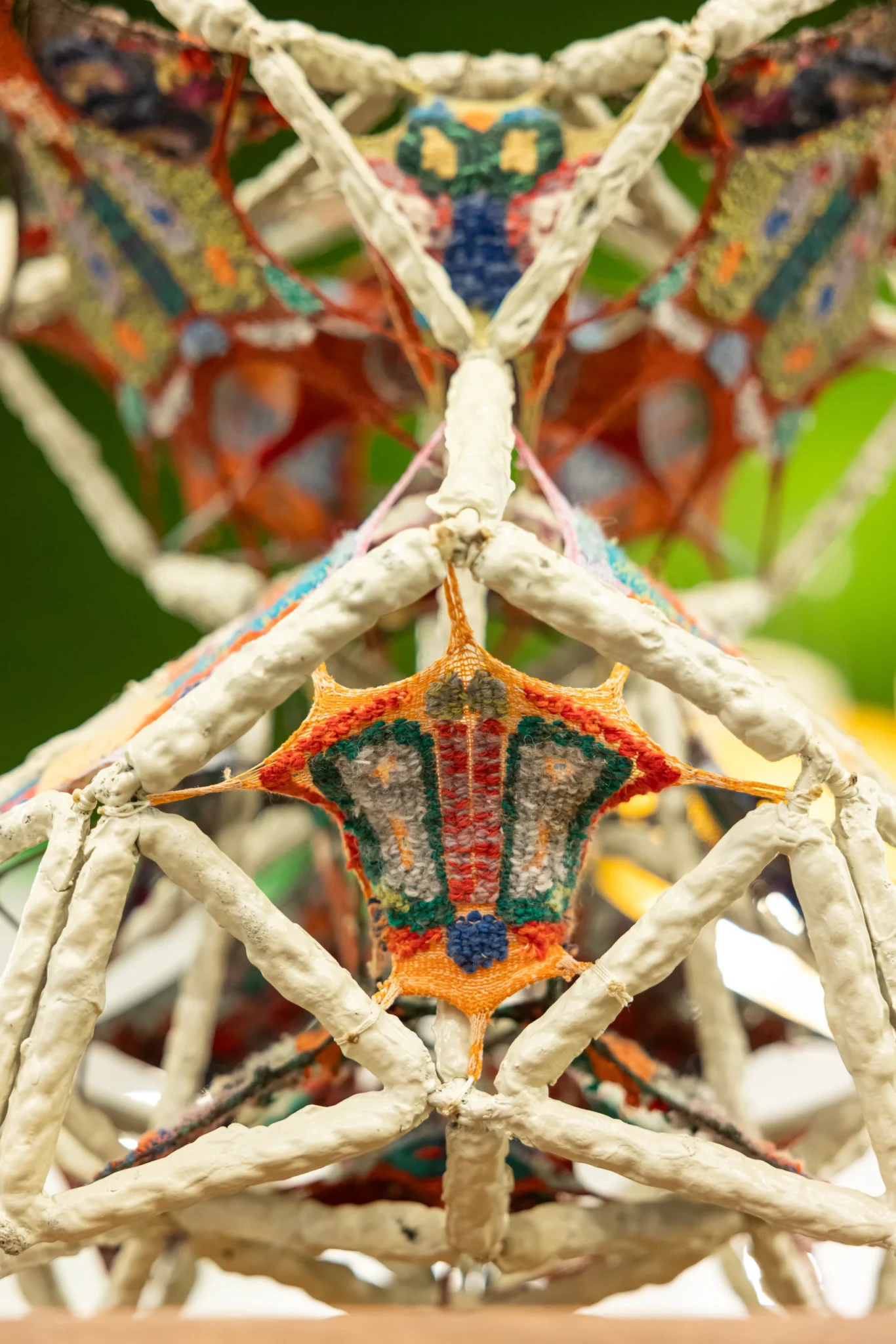
The exhibition takes over two very different spaces in the tower: a vacant shopfront at street level that once housed a pharmacy, and the entire 23,000-square-foot 14th floor above it. More than 50 artists and collaborations are involved, mixing established figures such as Matt Mullican, Jon Kessler, Simon Denny, Josh Kline, Eva and Franco Mattes, Rachel Rossin, Liz Magic Laser, Leigh Ledare, David Humphrey and Michelle Segre with emerging artists, many of whom have ties to Columbia. The works span sculpture, new media and video, and take up themes of technology, surveillance, labour and institutional power.
The show opened on September 24 and is on view through Sunday, November 22, open Fridays to Sundays from noon to 6pm. Its setting is part of the point: the building is a 22-storey, 570,000-square-foot office tower in the middle of a comprehensive repositioning, and the artists have treated its vacant floors as raw material, intervening in the kind of generic corporate interior that architect Rem Koolhaas once described as junkspace.
Artist-run projects on this scale are unusual, and the student-led curation is the distinguishing feature. AmTrustRE provided the space, but the artists themselves organised the show, deciding what went where and how the building's emptiness would be used. For the students involved, it is a large-scale curatorial debut; for visitors, it is a chance to see established and unfamiliar names side by side in a setting far removed from a white-cube gallery.