Museum report·Sydney
Eight Curatorial Jobs on the Line as Sydney University Museum Faces 'Top-Heavy' Restructure
Staff at Sydney's Chau Chak Wing Museum are petitioning against a University of Sydney restructure that would cut eight curatorial, collections and public-engagement roles and install three executive directors over a staff of about thirty.
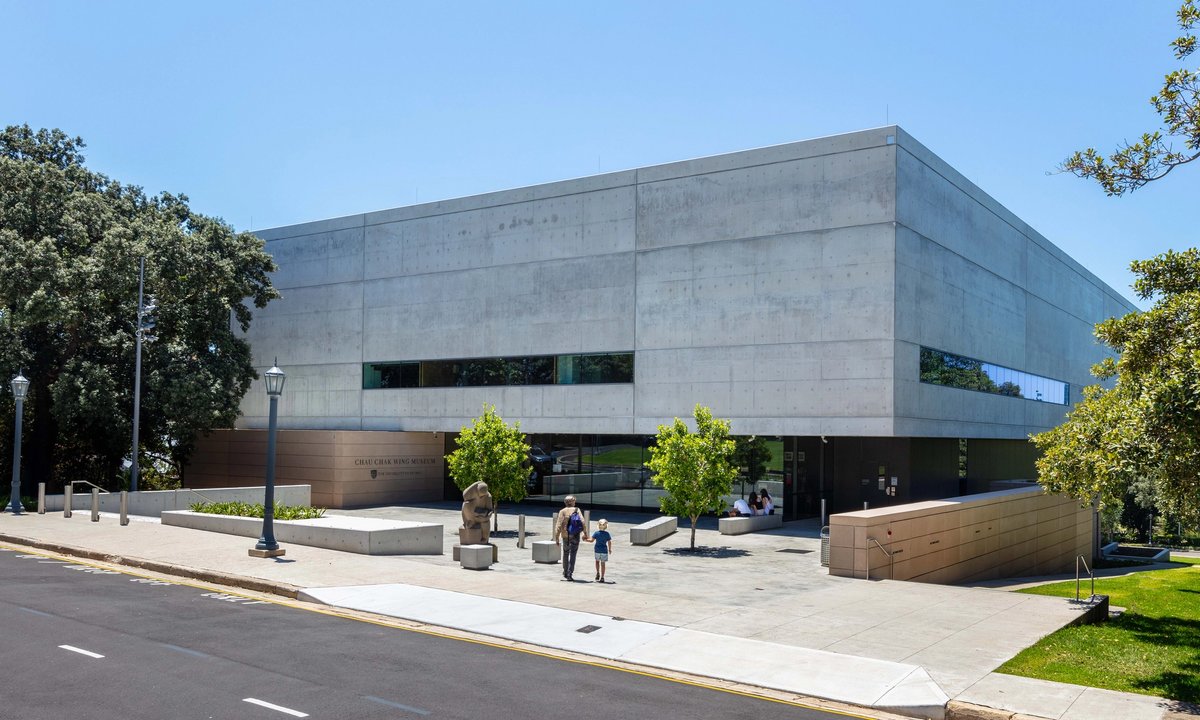
A proposal by the University of Sydney to restructure its Chau Chak Wing Museum has angered curators, who warn that world-class collections could be put at risk. A petition circulating in the Australian cultural sector opposes planned cuts to eight positions across curatorial, collections and public-engagement teams, arguing that losing the roles would weaken the museum's ability to care for and develop its collections, deliver education, support academic research and maintain its standing as a leading university museum.
The petition describes the proposed management structure as top-heavy, with three executive-level salaried directors in an organisation of only about thirty staff, and notes that the key position of head of collections would be removed. Morale at the museum has plummeted, according to the report, and staff have been told they will face a spill-and-fill process, reapplying for their own jobs. John Buchanan, the local branch president of the National Tertiary Education Union, said staff were strongly unionised and would fight the changes, calling the process an unhelpful way to handle a complex problem in the creative workforce.
The university says the changes aim to strengthen the museum's educational and exhibition programme, realigning roles in education, public programmes and curatorial work while creating a more sustainable staffing structure, and that the overall number of full-time equivalent roles would stay the same. Formal consultation began in July. But Craig Barker, an archaeologist and the museum's head of public engagement, said the refocus would swing attention away from curatorial work and collection management, and that academic research and international connections would suffer. Senior art curator Ann Stephen, whose job is under threat, warned that without curatorial knowledge artworks can be misattributed or misunderstood and exhibitions can become spectacles without historical research. The modernist museum opened on the university's main campus in 2020, is free to enter, and brings together antiquities, natural history and art collections.