Profile·Stockholm
Anne Carson takes the Nobel, and the art world nods along
The 2026 Nobel Prize in Literature went to Canadian poet, essayist and translator Anne Carson, announced October 8; ArtReview's Ella Frears writes that for the art world — which has long borrowed her classicism, erotics and fragmentation — the choice feels overdue and exactly right.
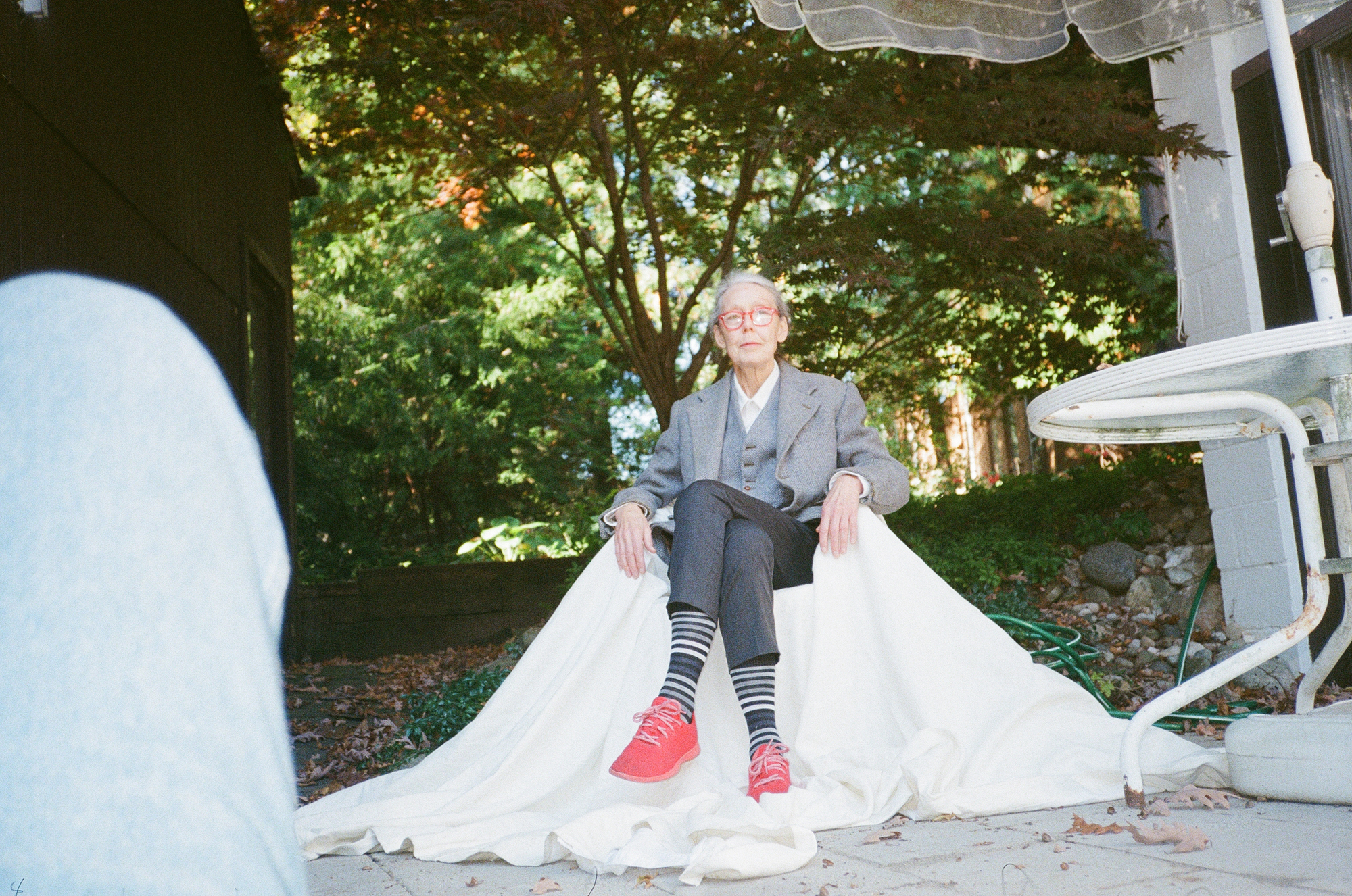
The Swedish Academy awarded the 2026 Nobel Prize in Literature to Canadian poet, essayist and translator Anne Carson on October 8, honoring what it called her bold and inventive oeuvre, which in playful dialogue with the classical tradition has created new forms for contemporary literature. The announcement lands with particular resonance in the visual-art world, where Carson's work — translations, libretti, fragments, collaborations — has long circulated as essential reading. Carson, 76, was born in Toronto and trained as a classicist, studying Latin and ancient Greek before building a career that treats genre as a suggestion rather than a rule. Her breakthrough verse novel Autobiography of Red appeared in 1998; her translations of Sappho, published as If Not, Winter in 2002, represented what survives of the fragments with bracketed silences and have become a touchstone for artists working with the incomplete and the archival. Her first book of criticism, Eros the Bittersweet (1986), blurred academic prose and poetry from the start. The laureate learned of the prize in Iceland, where she lives; the Academy's permanent secretary Ingrid Carlberg told the press Carson was, for the moment, listening to the wind. Carson herself called the news a little insane and described the announcement call as rather halting. She is the 19th woman among 123 literature laureates and follows László Krasznahorkai, who won in 2025. Writing in ArtReview, Ella Frears frames Carson as a poet's poet — endlessly curious, irreverent and easily bored, in Frears's words — and argues the choice suits a moment when artists and writers alike are raiding antiquity for forms that fit the present. For a prize that often divides the literary world, this one, ArtReview suggests, is a rare consensus: everyone is happy.