Museum report·Helsinki
200 Works by 50 Northern Women Trace Art's Hidden Spiritual Currents in Helsinki
Helsinki's Ateneum opens Arcana Borealis — Northern Women and Esotericism on October 23, 2026, gathering more than 200 works by some 50 women artists from Finland, Sweden, Denmark, Norway, Iceland and Sápmi, from Hilma af Klint and The Five to contemporary Sámi artist Outi Pieski. The show challenges modernism's lone-genius myth by foregrounding collaboration and spiritual communities.
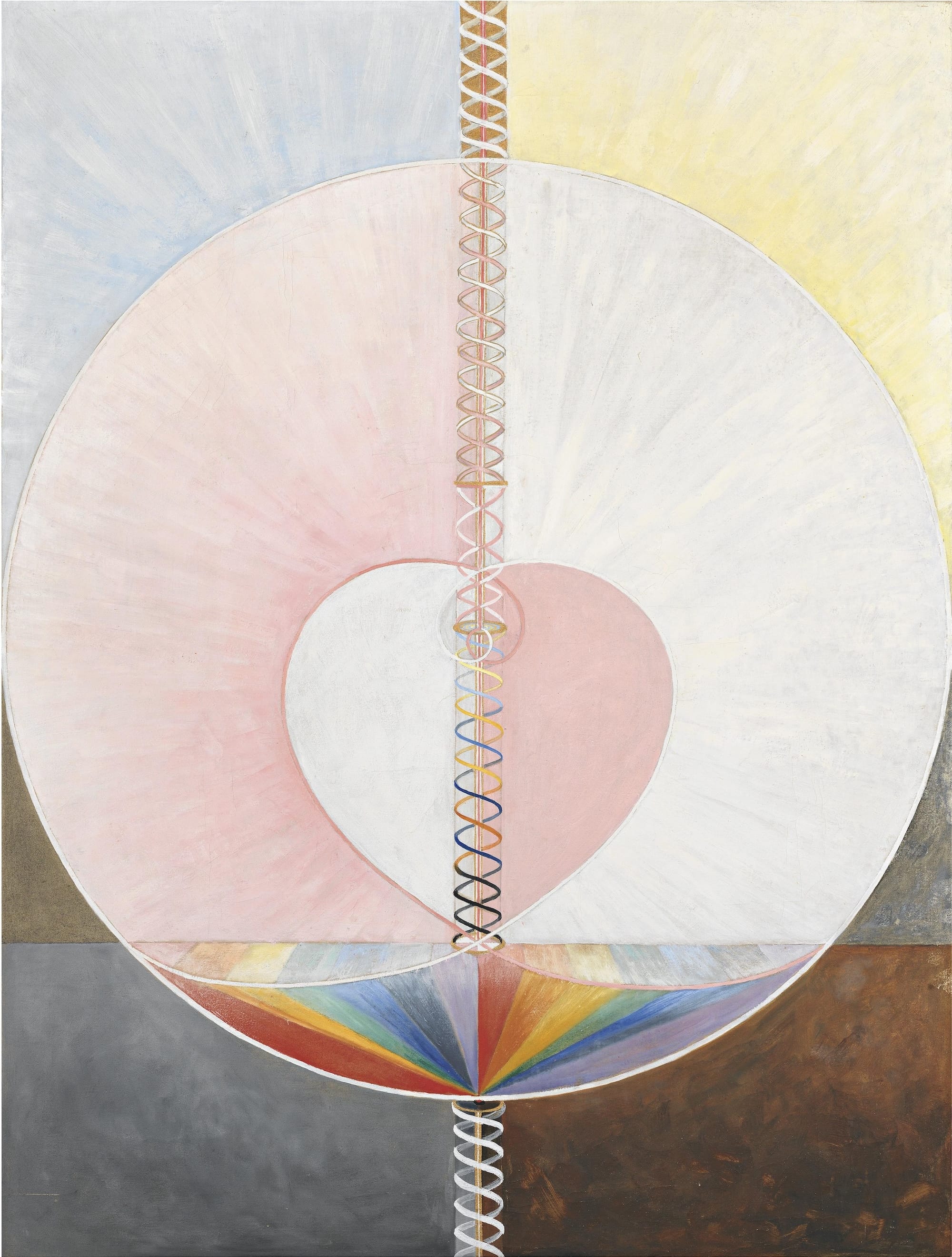
This month Helsinki's Ateneum Art Museum opens a sweeping exhibition devoted to women artists of the Nordic region whose work grew out of spiritual practice. Arcana Borealis — Northern Women and Esotericism, running October 23, 2026 through February 28, 2027, gathers more than 200 works by roughly 50 artists from Finland, Sweden, Denmark, Norway, Iceland and Sápmi, in painting, sculpture, textiles, ceramics, stained glass, mosaic, video and archival material. The show is co-curated by Dr Nina Kokkinen of the University of Turku and Dr Marja Lahelma, the Ateneum's chief curator, as part of a long-term research project into the overlap between modern art and esotericism. Its title combines the Latin words for hidden knowledge and the north. Instead of organizing the region by national borders, the exhibition treats the North as a cross-border imaginative space shaped by mythology and spiritual tradition, where artists turned to mediumistic practice, meditation and alternative cosmologies to examine existence, creativity and belonging. The lineup mixes internationally recognized names with figures who have been historically overlooked: Hilma af Klint appears alongside Anna Cassel, her collaborator in the Stockholm circle of women known as The Five; also featured are Anna-Eva Bergman, Maja Fjaestad, Ilona Harima, Iria Leino, Sonja Ferlov Mancoba, Rita Kernn-Larsen, Laila Pullinen, Elga Sesemann, Ellen Thesleff and Tyra Kleen. Contemporary Sámi artist Outi Pieski contributes the performance Guhte gullá / Here to Hear, made with dancers and choreographers Biret and Gáddjá Haarla Pieski, which draws on their Sámi heritage and addresses centuries of discrimination and state assimilation programs against the Indigenous Sámi people. The curators position the exhibition as a correction to art history's persistent myth of the solitary genius. By presenting af Klint inside the wider networks of women and spiritual practitioners who actually surrounded her, the show argues that collaboration and shared belief played a far larger role in modernism's formation than the standard narrative allows — a case that the Ateneum frames as groundbreaking, since the deep ties between modern art, occultism and magic have previously been studied mostly through famous male artists.