Lina Attalah, co-founder and editor-in-chief of Cairo's independent outlet Mada Masr, faces a one-year prison sentence on charges of publishing false news and operating without a licence — and only learned during court proceedings that she had already been sentenced in absentia in 2024.
Czech archaeologists at Saqqara have re-excavated Old Kingdom tombs first found by Auguste Mariette in 1858-1860 and lost for 165 years, including the untouched burial of Ptahshepses, a senior official who married a Fifth Dynasty princess.
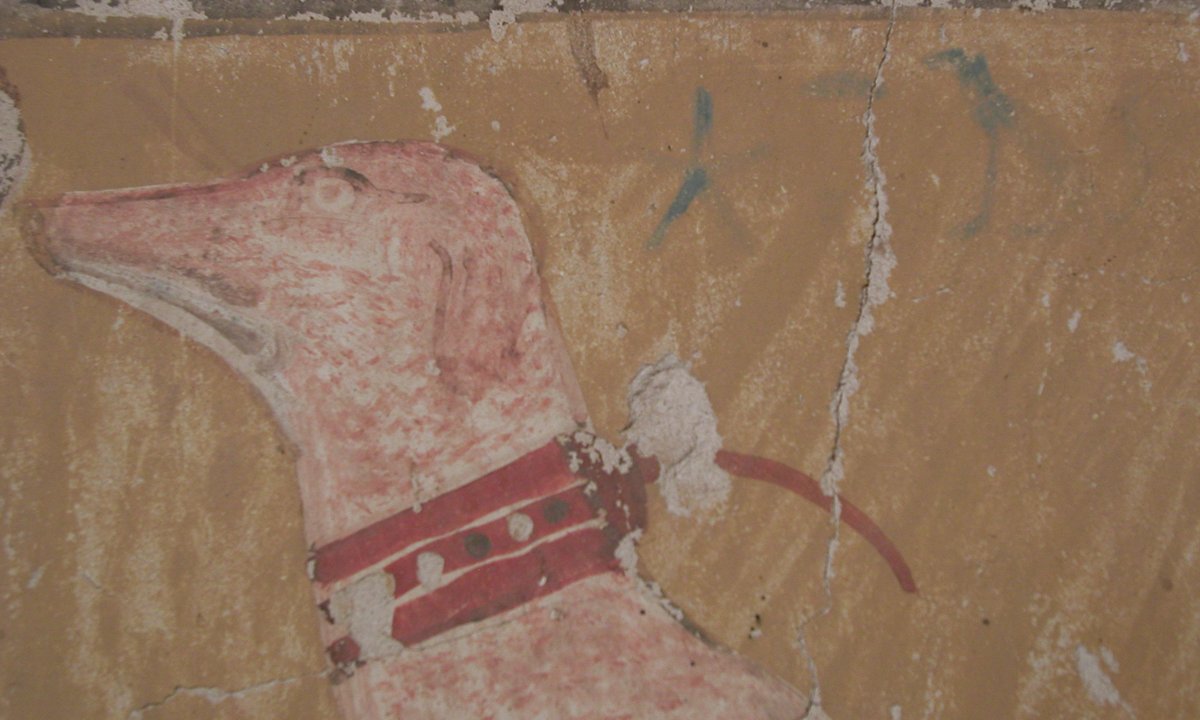
A researcher using modern digital imaging has read the previously undecipherable name of a dog painted in a 3,500-year-old Theban tomb, the first known dog name to carry an epithet of the god Anubis.
Egypt has unveiled a restored second-century Fayum portrait, the Tondo of the Two Brothers, ahead of an unprecedented loan: a significant part of the famed mummy-portrait collection will go on show in Rome, the first time it has left the country.
Egypt's Supreme Council of Antiquities has announced the discovery of two colossal royal statues, one identified as Ramses II, at Behbeit el-Hagar in the Nile Delta. A villager's report of an inscribed stone block triggered the rescue excavation.
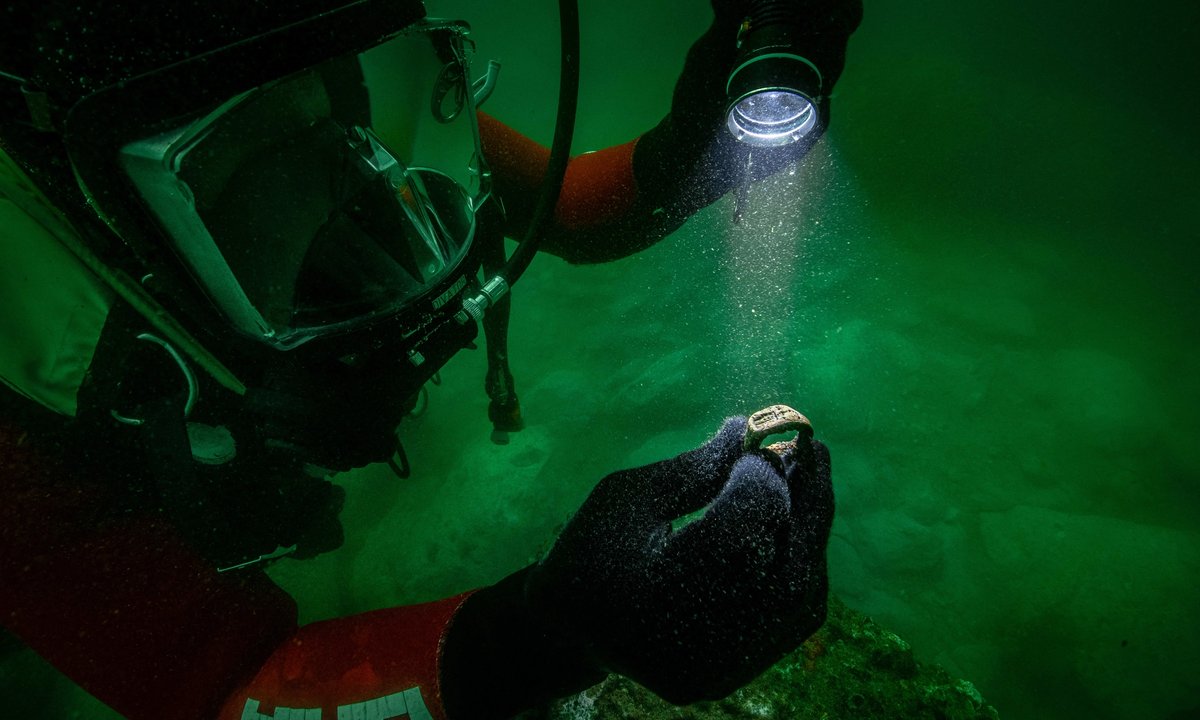
Underwater archaeologists have recovered a bronze signet ring engraved with the Lighthouse of Alexandria — the first and only such ring known — from the sunken royal island of Antirhodos in Egypt's Great Harbour.
A 66-metre Cairo mural of Tutankhamun and Nefertiti, designed with ChatGPT by a youth volunteer group, was painted over hours before a Chinese state visit after critics said its dark-skinned portrayal of the royals revived Afrocentric claims about ancient Egypt.
A 66-metre AI-assisted mural of Tutankhamun and Nefertiti was removed from Tahrir Square hours before Chinese President Xi Jinping's state visit after criticism that the pharaohs' dark skin revived disputed Afrocentric claims — the latest fight over how ancient Egypt is depicted.