Market dispatch·Global
Women's Prints Now Beat Men's on Price and Sell-Through, Artnet Auction Data Shows
An analysis of Artnet Price Database auction results from 2022 to 2026 finds prints and multiples by women artists outperforming men's on median price, sell-through rate, and lots exceeding high estimates — complicating the art market's familiar gender-gap narrative.
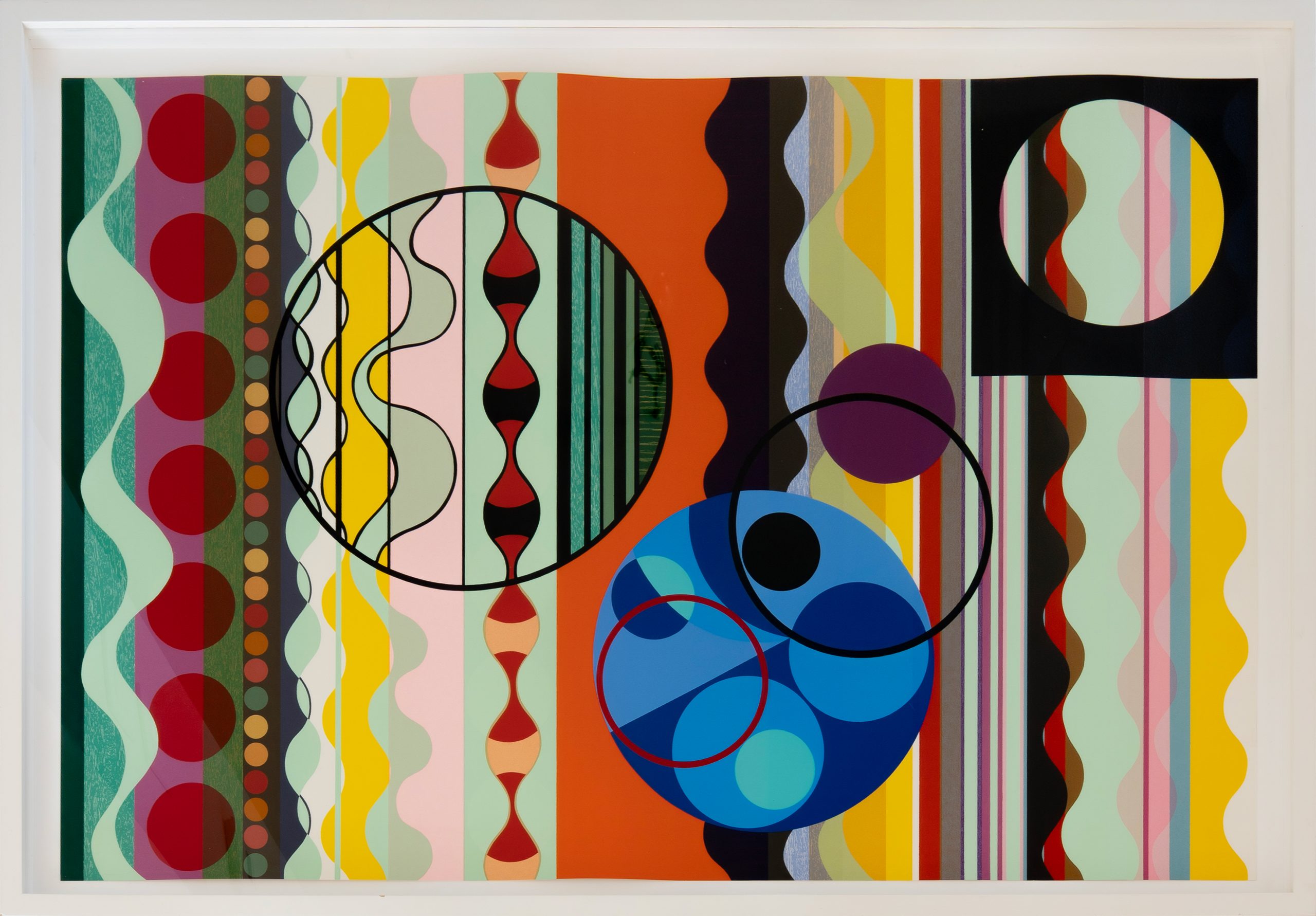
The gender price gap is one of the art market's most documented inequities. A 2021 study of 1.9 million auction transactions across 49 countries found that paintings by female artists sold for 42.1 percent less on average than those by male artists. But a new analysis of the prints and multiples market suggests the picture is more complicated than the headline figures imply. Drawing on Artnet Price Database data covering 2022 through 2026, the analysis found that the median auction price for prints and multiples by women artists was approximately $2,016 including buyer's premium — marginally above the $1,937 median for works by men. Women's prints also performed slightly better on market mechanics: 78.8 percent of lots by women artists found buyers, compared with 75.2 percent for men, and 43.1 percent of women's lots sold above their high estimates, versus 41.1 percent of men's. The findings do not erase the gap. Differences in average prices and in overall sales volume persist, and the women's market remains heavily concentrated: Yayoi Kusama was the clear leader by total auction sales value over the period, reflecting both intense demand and her extraordinary prolificacy as a printmaker. Total sales value, the analysis notes, also measures market volume — artists with large bodies of prints trading regularly have more chances to accumulate turnover than those whose editions appear rarely. Still, the data complicates the assumption that women's prints consistently lag behind men's in the secondary market. On several competitive measures, women's works are holding their own or better. For collectors and advisors, the takeaway is that market gaps in the prints sector are less predictable — and potentially more exploitable — than the broader painting market's grim statistics suggest.