Museum report·Vienna
Only slightly bored: Vienna museum visitors rate tedium at just 1.74 out of 5
A University of Vienna study of 1,269 visitors to two of the city's museums found boredom averaged only 1.74 on a five-point scale, with joy and curiosity far more common, though bored visitors learned less.
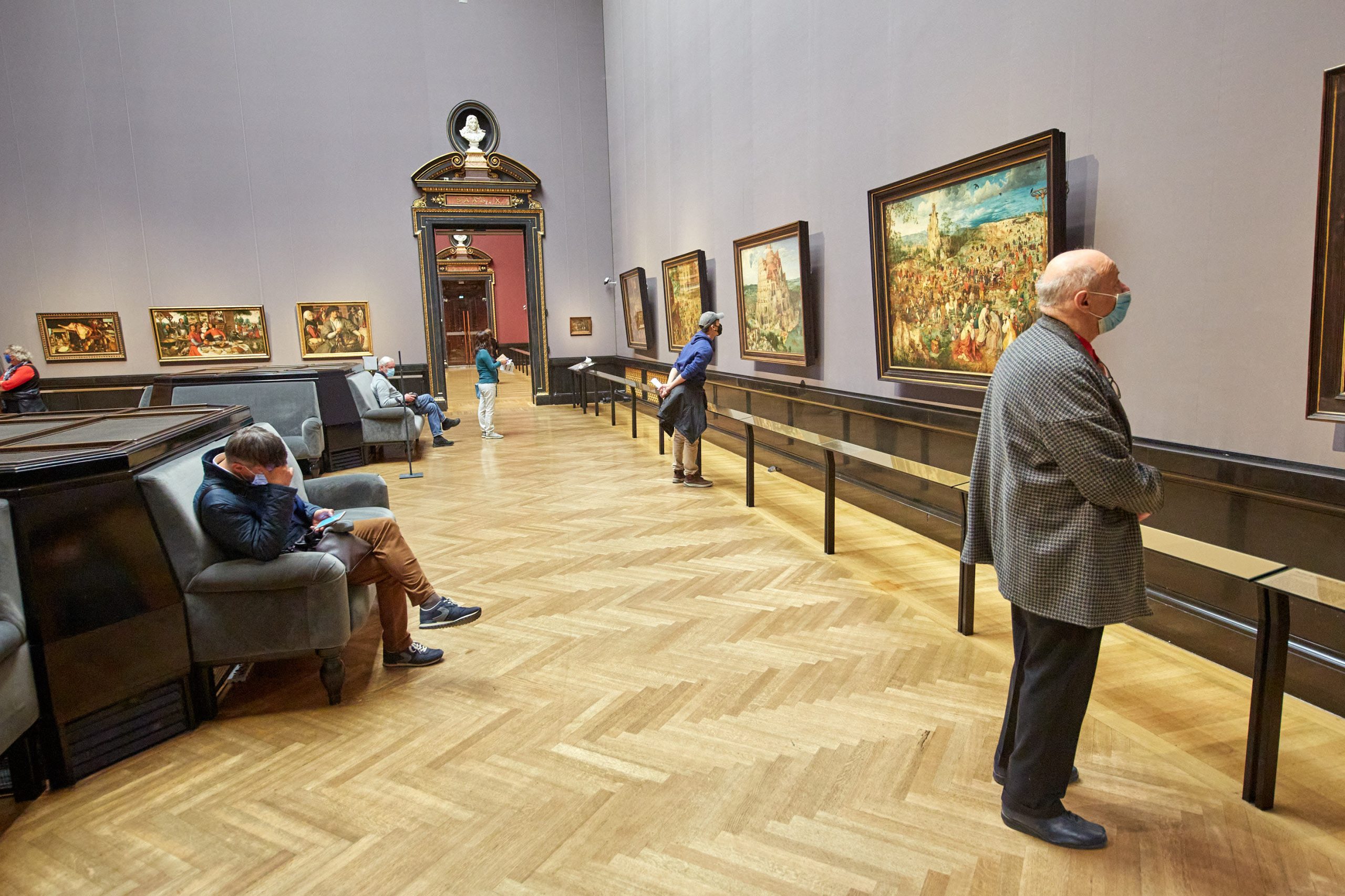
Visitors to Vienna's museums are, on average, only occasionally bored, according to a study of more than 1,200 people published in the journal Scientific Reports on 27 October. Researchers at the University of Vienna surveyed 1,269 visitors aged 18 to 91 at the Kunsthistorisches Museum and the Sigmund Freud Museum, asking them to rate 11 emotions including joy, awe, anger and boredom, and to complete a knowledge test about what they had seen.
Across both museums, boredom scored an average of 1.74 on a scale from one, meaning not at all bored, to five, meaning very strong boredom. Joy and curiosity were far more common, although boredom remained the most prominent among the negative reactions measured. Lead author Thomas Goetz, who describes himself as a museum lover, said the low level of boredom surprised him, noting that the role of emotions in museum visits remains largely under-researched even though museums are educational institutions.
The study found that boredom rose when visitors felt either over-challenged or under-challenged, a pattern already familiar from research in classrooms. Dense walls of text, confusing layouts and overcrowded rooms left some visitors overwhelmed, with one Freud Museum visitor saying the sheer amount of information was too much. Others were put off by galleries that felt empty, sterile or personally irrelevant, describing bare walls that left them underwhelmed.
Those who reported boredom also performed worse on the knowledge test, a result the researchers link to broader evidence that boredom harms learning, health and achievement. Goetz suggests museums cater to varied visitors by offering information at different depths, from short pocket tours to deep dives, using QR codes, augmented reality and selective routes. He plans to extend the research to other museums and cultures to see whether the pattern holds elsewhere.