Museum report·Sydney
150 works take on the souvenir trade: Tony Albert's landmark Sydney survey reclaims Aboriginal imagery
ArtAsiaPacific's review of 'Tony Albert: Not a Souvenir' at Sydney's Museum of Contemporary Art Australia examines the Girramay, Yidinji and Kuku Yalanji artist's largest exhibition to date, which gathered more than 150 works and some 2,500 examples of 'Aboriginalia' to confront how Aboriginal culture has been simplified, sold and reclaimed.

Sydney's Museum of Contemporary Art Australia has staged the largest exhibition yet of Tony Albert, a Girramay, Yidinji and Kuku Yalanji artist whose work turns a critical eye on the souvenir trade. Titled Not a Souvenir, the show ran from May 21 to October 19, 2026, and brought together more than 150 works that trace how images of Aboriginal people and culture have been flattened into commodities and how those images might be taken back.
At the heart of the exhibition sat Albert's own collection of Aboriginalia: objects made largely by non-Indigenous makers for non-Indigenous buyers, depicting Aboriginal people, art and ways of life. More than 2,500 examples were on display, from matchboxes and ashtrays to tea towels, figurines, plates and velvet paintings. Presented in bulk, the familiar kitsch accumulated into something more unsettling, a record of how a living culture was reduced to decoration for the tourist market.
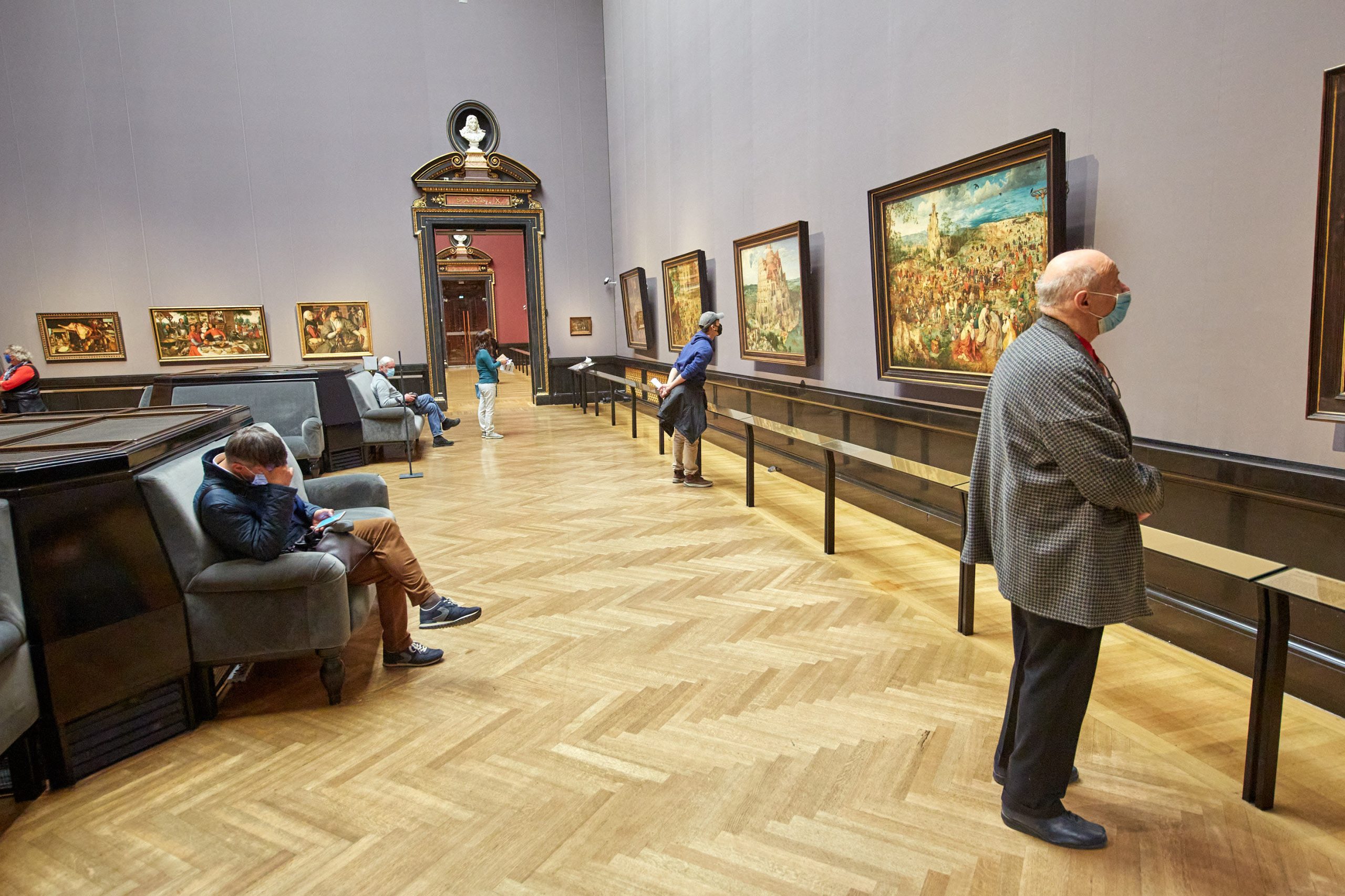
The setting sharpened the argument. The museum stands at Tallawoladah, near Circular Quay and The Rocks, close to the foundational site of British colonisation in Australia and amid one of Sydney's busiest tourist precincts. Against that backdrop, the show asked visitors to consider the two economies that meet at the museum door: the institutional archive on one side and the souvenir trade on the other.
Wierdi curator Bruce Johnson McLean, who worked on the exhibition, put clarity at the centre of its development, according to the review. Yet the material itself resists easy reading. Objects that look familiar and even affectionate carry a more insidious history, and Albert's project is to hold both truths at once: the warmth of recognition and the violence of simplification. By gathering the objects together and reframing them through his own practice, he offered a way of seeing them not as harmless keepsakes but as evidence, and of imagining how their meanings can be reclaimed.