Policy brief·Venice
Venice Biennale's Crowd-Voted Lion Divides Artists as Closing Nears
The 61st Venice Biennale ends in uncertainty over its one-off Visitors' Lions, a public vote that replaced the usual Golden and Silver Lions after the jury resigned in April — with many artists and countries refusing to take part.
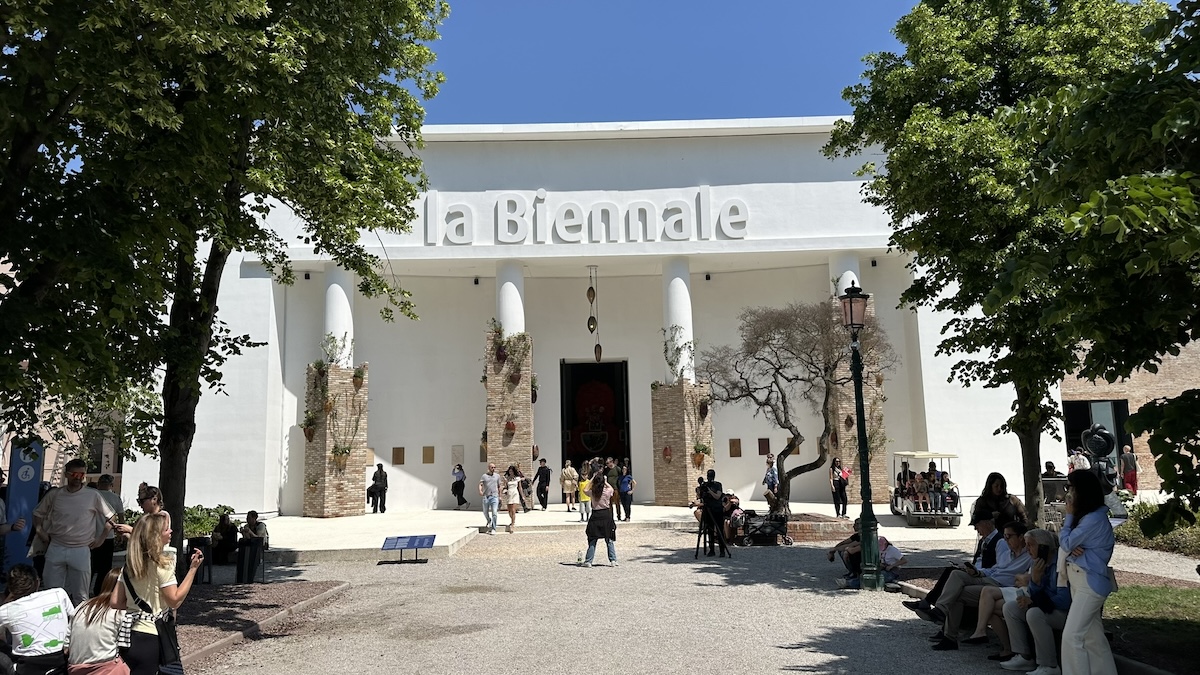
The 61st Venice Biennale is entering its final weeks under a cloud, with the fate of its improvised top prize still in doubt. After the jury appointed by the late curator Koyo Kouoh resigned en masse on 30 April, days before the opening, La Biennale replaced the usual Golden and Silver Lions with two Visitors' Lions, decided by a public vote. A winner will emerge after the exhibition closes on 22 November, but whether anyone will treat the award as a Lion in the old sense is far from clear.
The trouble began before the opening, when protests broke out over the presence of both Russia and Israel. The organisers refused to close either pavilion, saying they reject censorship in culture and describing the Biennale as a place of truce in the name of artistic freedom. The jury members then announced they would not consider any country charged with crimes against humanity by the International Criminal Court for the Lions, a position that would have ruled out Russia and Israel.
One Visitors' Lion goes to the best participant in Kouoh's central exhibition, In Minor Keys, and the other to the best national participation. Voting is limited to ticket holders who have visited both the Giardini and the Arsenale between 9 May and 22 November, with the ticketing system tracking attendance. Each person gets one vote per award.
Doubts followed quickly. Some critics worry the ticket tracking could be open to vote rigging or government influence, while others chose to boycott in support of the jury. Nearly 100 participating artists threatened legal action when their wish to stay out of the contest was disregarded. The Biennale has since said it will not count votes for anyone who asked to withdraw. The list is long: the main exhibition includes Alfredo Jaar, Zoe Leonard, Laurie Anderson and Otobong Nkanga, and artists representing 39 countries are also out, among them France, Austria, the Netherlands, Britain and Ukraine. A prize that so many have refused will always carry an asterisk.