Profile·Global
Thom Yorke Looks Back on 30 Years of Making Radiohead's Visual World with Stanley Donwood
Thames & Hudson has published an extract from Thom Yorke's foreword to Stanley Donwood: There Will Be No Quiet, in which the Radiohead frontman recalls three decades of collaboration with the artist behind the band's most famous record covers.
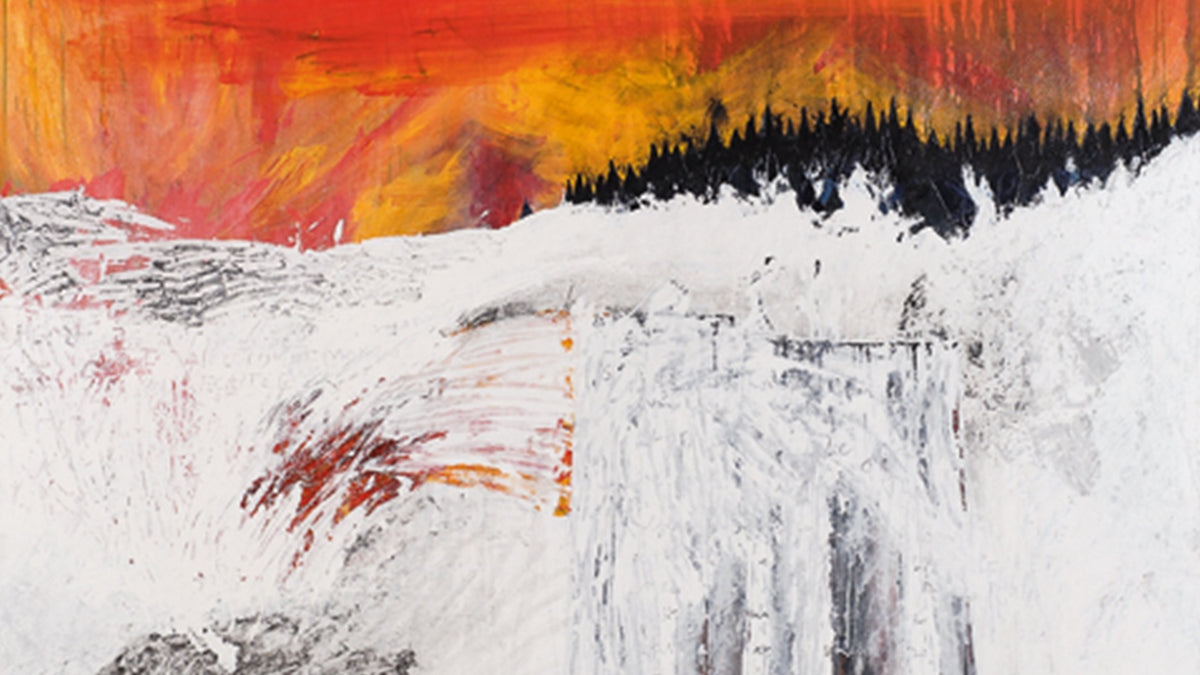
Thom Yorke has revisited the three-decade working relationship that gave Radiohead its visual identity, in a foreword to a new book about the artist Stanley Donwood. Thames & Hudson published the extract on 5 November 2026, ahead of the release of Stanley Donwood: There Will Be No Quiet, a volume devoted to the artist behind the band's most recognisable sleeves and imagery.
Yorke traces the partnership to their first meeting at art college, where the two students eyed each other warily before going their separate ways. Two years later they persuaded their record company to let them design a sleeve themselves, beginning a collaboration that would run through the band's career. He remembers the early sessions as chaotic and improvised, with a crashing computer, a borrowed video camera, a hospital basement searched for props, and Donwood returning from a family visit newly bald after his hair fell out.
The foreword moves through the making of the band's landmark records, describing the fraught atmosphere around OK Computer, when Yorke was struggling with his hearing and his state of mind, and the long nights spent scanning images, painting and erasing layers on a tablet while overdubs were recorded nearby. Later projects included vast unexplained billboards in cities around the world, hand-drawn figures and invented creatures pasted up like hexes, and a free newspaper handed out from a London street stand on the day of The King of Limbs.
Yorke presents the working method as a mixture of accident and persistence. Ideas, he writes, can arrive from the music, a colour, a technique or a sound, and sometimes nothing happens for a worrying stretch before something takes shape. The pair communicated by fax for years, studied radical magazines of the late 1960s and 1970s, and drew on dreams and stories about nature and collective unease. For all the record covers, adverts and marketing, he insists, the work was never only that.