Museum report·London
Fifty historic Indian artworks enter Tate Britain collection in outright gift
Tate Britain has received 50 artworks made in India in the 18th and 19th centuries from scholar Charles Greig, a gift made outright that brings Company paintings into the collection for the first time, with a free display opening in 2028.
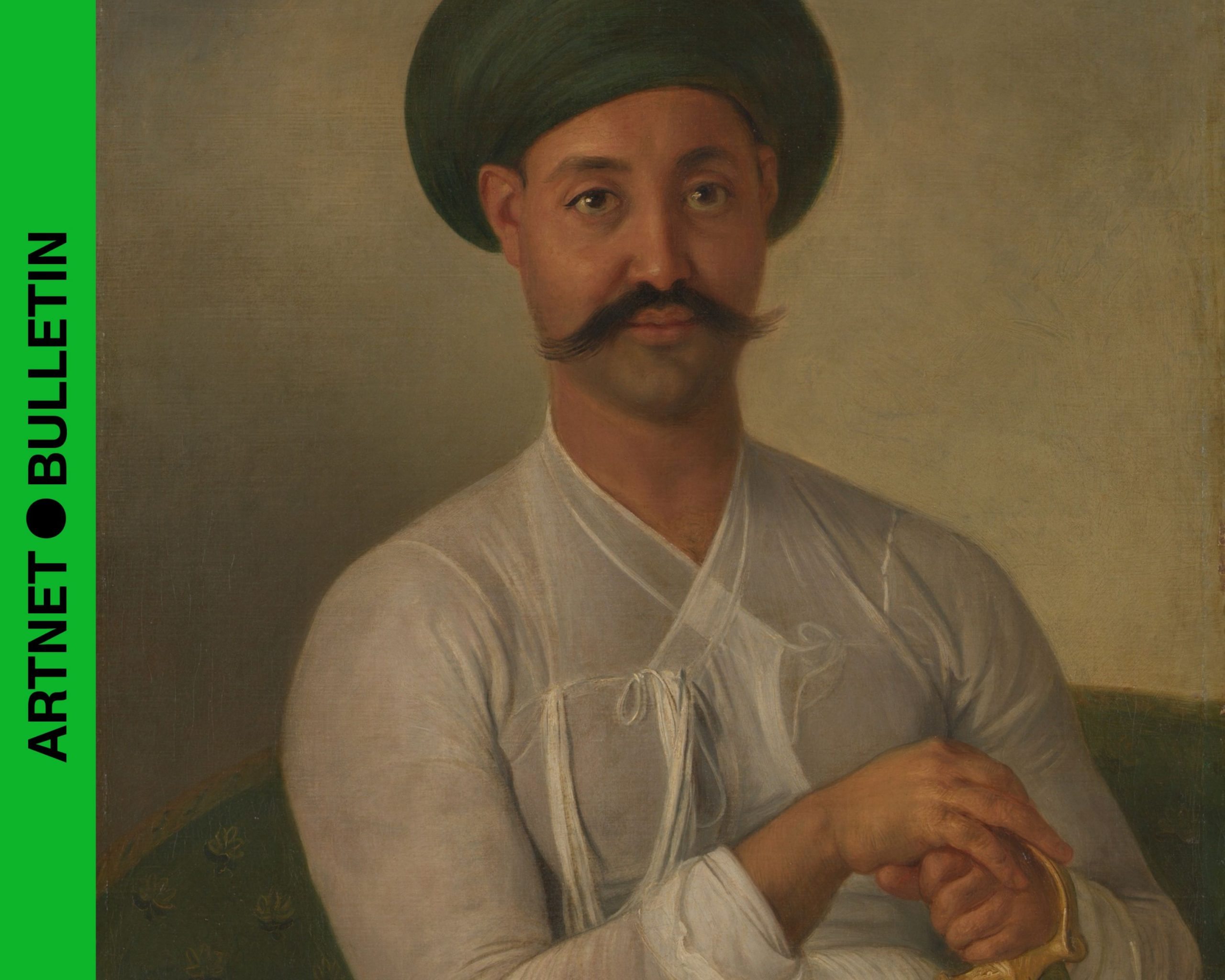
Tate Britain has received a gift of 50 artworks made by artists working in India during the eighteenth and nineteenth centuries. The donation comes from the art historian and scholar Charles Greig and was made outright, without tax incentives, according to the museum. The gift substantially widens South Asian representation in the national collection and brings perspectives that have long been overlooked into the broader story of British art.
Several works stand out in the group. Johan Zoffany's 1784 Portrait of Prince Jawan Bakht is one of only three portraits by the artist of an individual Indian sitter held in British public collections. Rudolf Swoboda's Sepoy, from around 1886, is the first work by that artist to enter a British museum. Three watercolours by Sita Ram are also included, and they introduce a whole category to Tate for the first time: Company paintings, a hybrid form made by local Indian artists for European patrons, principally the British East India Company.
The significance, in the museum's view, lies in what the group changes about the collection as a whole. Works made in India under colonial rule are often treated as a separate chapter, if they are shown at all, rather than as part of the history of British art itself. By bringing court portraiture, military subjects and Company painting into Tate Britain, the gift allows the national story to include the artists and sitters who were part of Britain's presence in India, not only the British artists who travelled there.
Tate Britain director Alex Farquharson has called the gift transformative. The museum plans a free display of the works opening in 2028, giving the public its first chance to see the group together. For a collection that has historically been thin on South Asian material from this period, the donation fills a gap that purchases alone would have taken years to close.