Exhibition preview·London
Enninful Takes Over Tate Britain: 'The 90s' Survey Reunites YBAs, McQueen and Rave Culture
Tate Britain has opened 'The 90s: Art and Fashion', the first major exhibition devoted to how art, photography and fashion fused in 1990s Britain. Co-curated by former British Vogue editor Edward Enninful, it runs 8 October 2026 to 14 February 2027 with more than 100 works.
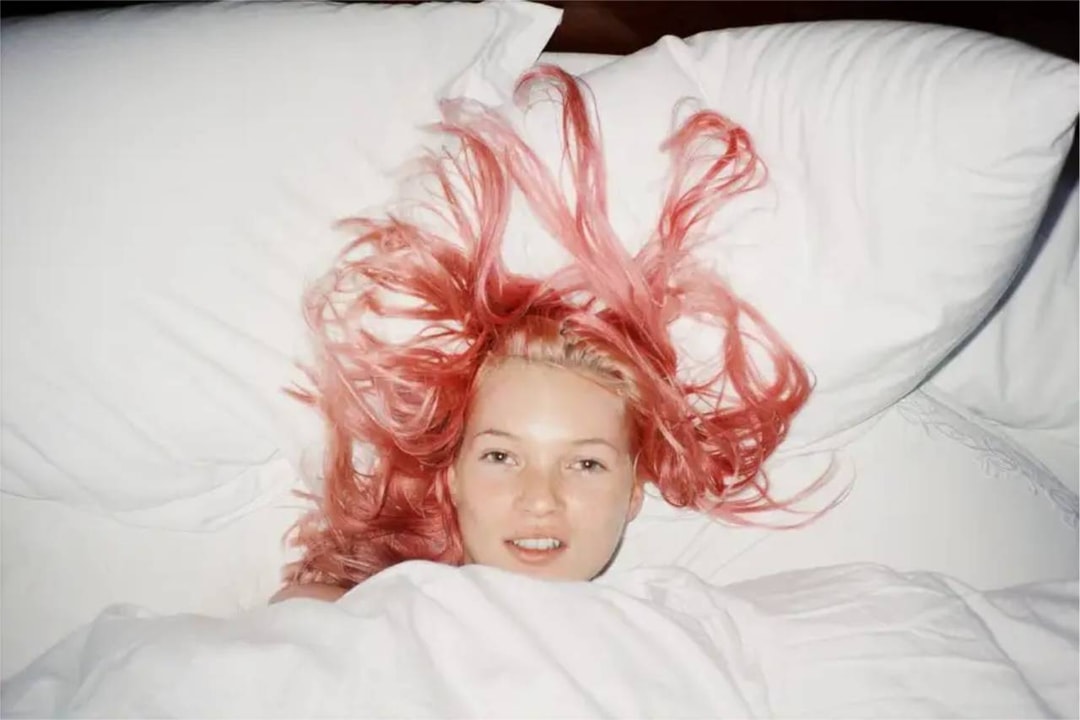
Tate Britain has thrown open its doors on the decade that remade British culture. 'The 90s: Art and Fashion', which opened on 8 October 2026, is billed as the first major exhibition to treat 1990s Britain as a single cultural moment, when art, photography and fashion collided and produced a new visual language. The show was co-curated by Edward Enninful, the former editor-in-chief of British Vogue, and brings together more than 100 paintings, sculptures, photographs and garments by nearly 70 artists, photographers and designers. The exhibition moves from the anti-fashion grunge photography of Corinne Day and Juergen Teller, shot for magazines such as i-D and Dazed and Confused, to the era-defining imagery of Kate Moss, and on through the music cultures that powered the decade: acid house, hip-hop, drum and bass and rave, from Manchester's Hacienda to London's Bagley's. Alongside them hang works by the Young British Artists who shocked the art world, including Tracey Emin and Damien Hirst, and the boundary-breaking fashion of Alexander McQueen and Hussein Chalayan, with Vivienne Westwood also represented. Curators have made a point of looking past the familiar Cool Britannia glow. The show addresses the AIDS crisis, racism, free parties and the birth of acid house, and examines the questions of race, class and diversity running beneath the decade's optimism. Highlights singled out in early coverage include Mark Leckey's 1999 film Fiorucci Made Me Hardcore, Chris Ofili's Turner Prize-winning tribute to Doreen and Stephen Lawrence, and Hirst's formaldehyde sculptures. For Tate Britain the exhibition is a statement autumn opener, arriving in the middle of Frieze Week and running until 14 February 2027 at its Millbank building, with standard tickets at 22 pounds. It frames the 1990s not as nostalgia but as the decade whose DIY energy and collisions between disciplines still shape how Britain makes and consumes culture.