Market dispatch·Hong Kong
Tang Contemporary shutters Wong Chuk Hang space amid unpaid-bill allegations
Tang Contemporary has closed its Wong Chuk Hang branch in Hong Kong while facing allegations of unpaid debts to artists, landlords and logistics providers; the gallery's Hong Kong director acknowledges major operational difficulties but denies lawsuits from artists.
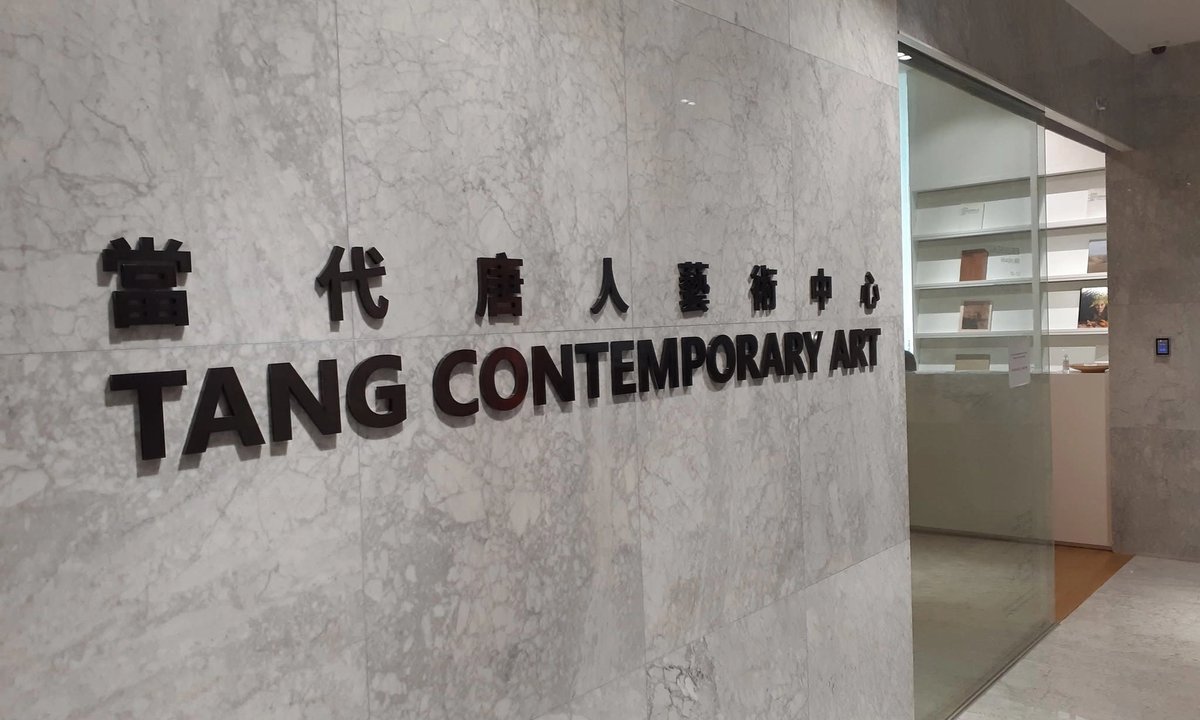
Tang Contemporary, the gallery founded in Bangkok in 1997, has closed its branch in Hong Kong's Wong Chuk Hang district amid allegations of outstanding debts owed to artists, landlords and logistics providers. The gallery's locations in Bangkok, Beijing, Seoul and Singapore, along with its second Hong Kong space in Central, remain in operation. Vivian Har, the director of Tang Contemporary's Hong Kong operation, has acknowledged that the business faces major operational challenges across the region, but she has denied that any lawsuits have been brought by artists. Concern about the gallery's future first surfaced in early August through communications said to have been sent to gallery contacts, and on 19 August a legal notice was posted on the door of the Wong Chuk Hang space. The two-page document, issued by Sino Real Estate Agency Ltd on behalf of landlord Grand Apex Ltd, demands that Tang Art Foundation Company Ltd pay HK$1.57 million, roughly $201,000, in unpaid rent covering the period from 1 January to 31 August, together with outstanding management fees and interest. The notice, obtained by The Art Newspaper, also indicates that the tenant remains substantially in arrears despite an earlier court distraint action in which a bailiff seized and auctioned property from the premises. Tang Contemporary publicly confirmed on 29 August that the Wong Chuk Hang location had closed indefinitely, with the closure effective from 21 July. Separately, several artists who have shown with the gallery accuse it of holding on to consigned works while failing to hand over sales proceeds for as long as a year. The claims join earlier complaints reported by the gallery's landlord and other service providers, adding to the pressure on one of the longest-running regional gallery brands in Asia.