Exhibition preview·Tainan
Osaka Expo hit 'Taiwan Spectrum' returns home with expanded Tainan edition
Taiwan Spectrum, the visual-art program Taiwan staged for the 2025 Osaka Expo, returns to home ground as Taiwan Spectrum 2.0 at the Tainan National Museum from 8 October 2026 to 10 January 2027. The expanded edition adds a book-filled Island's Appearance reading room and new participatory commissions.
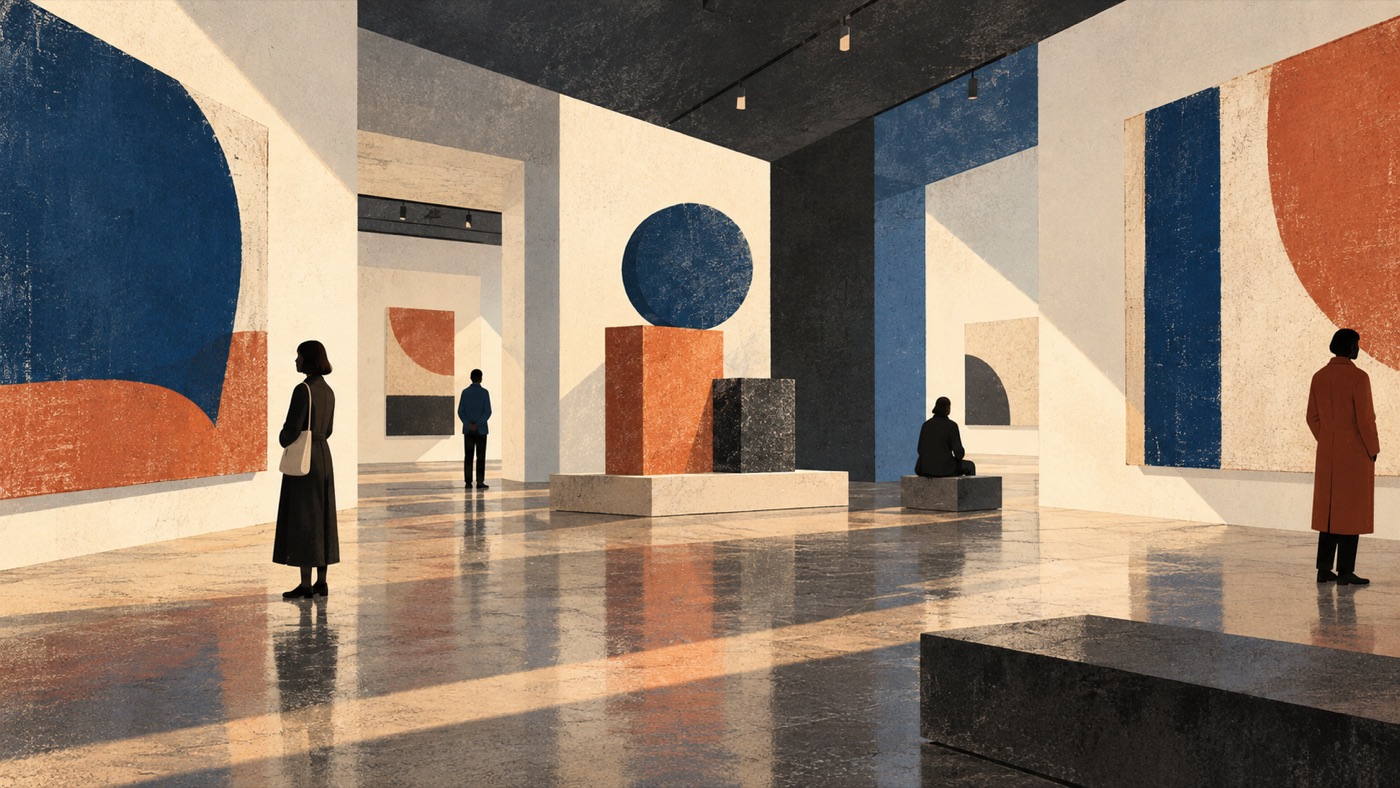
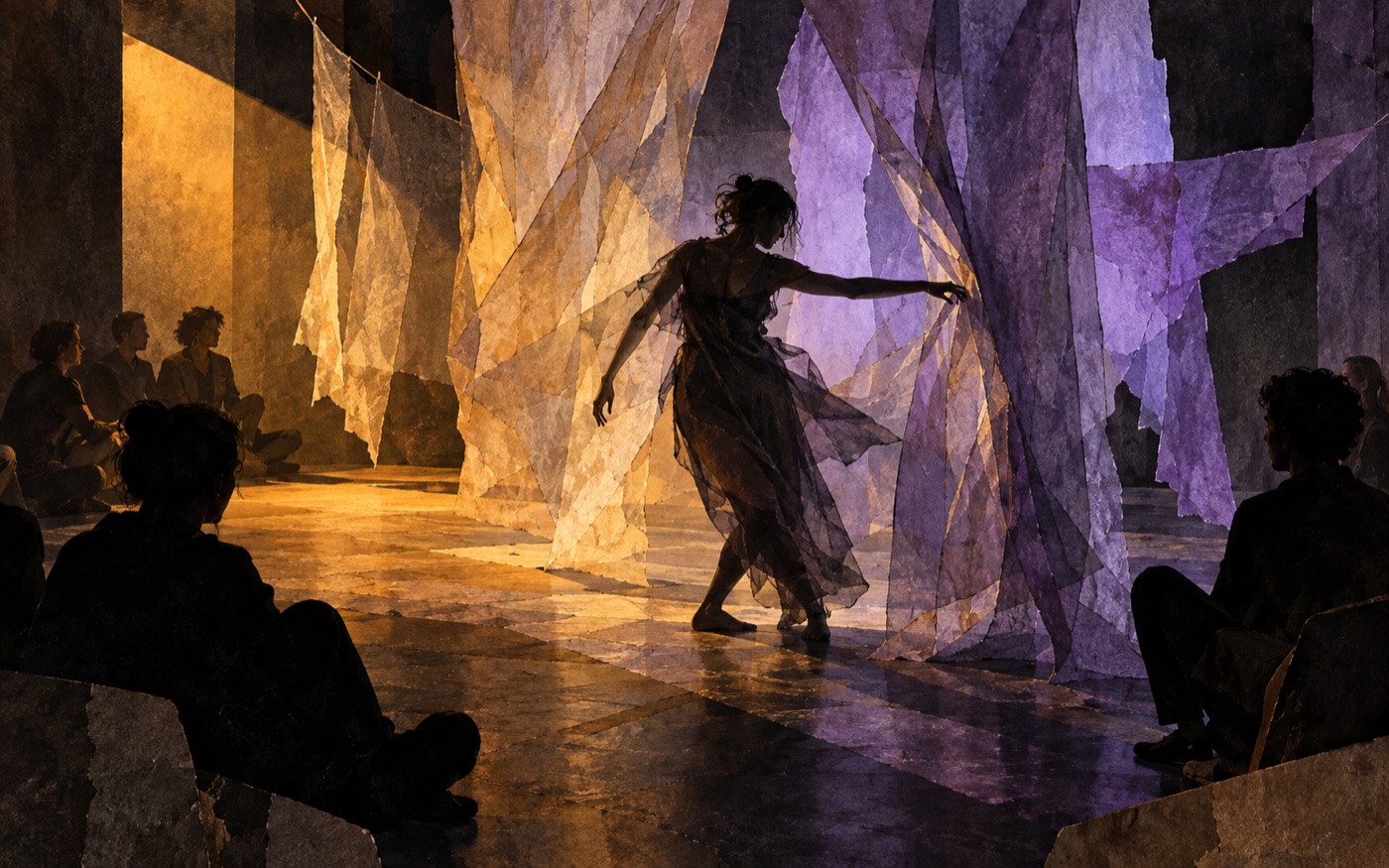
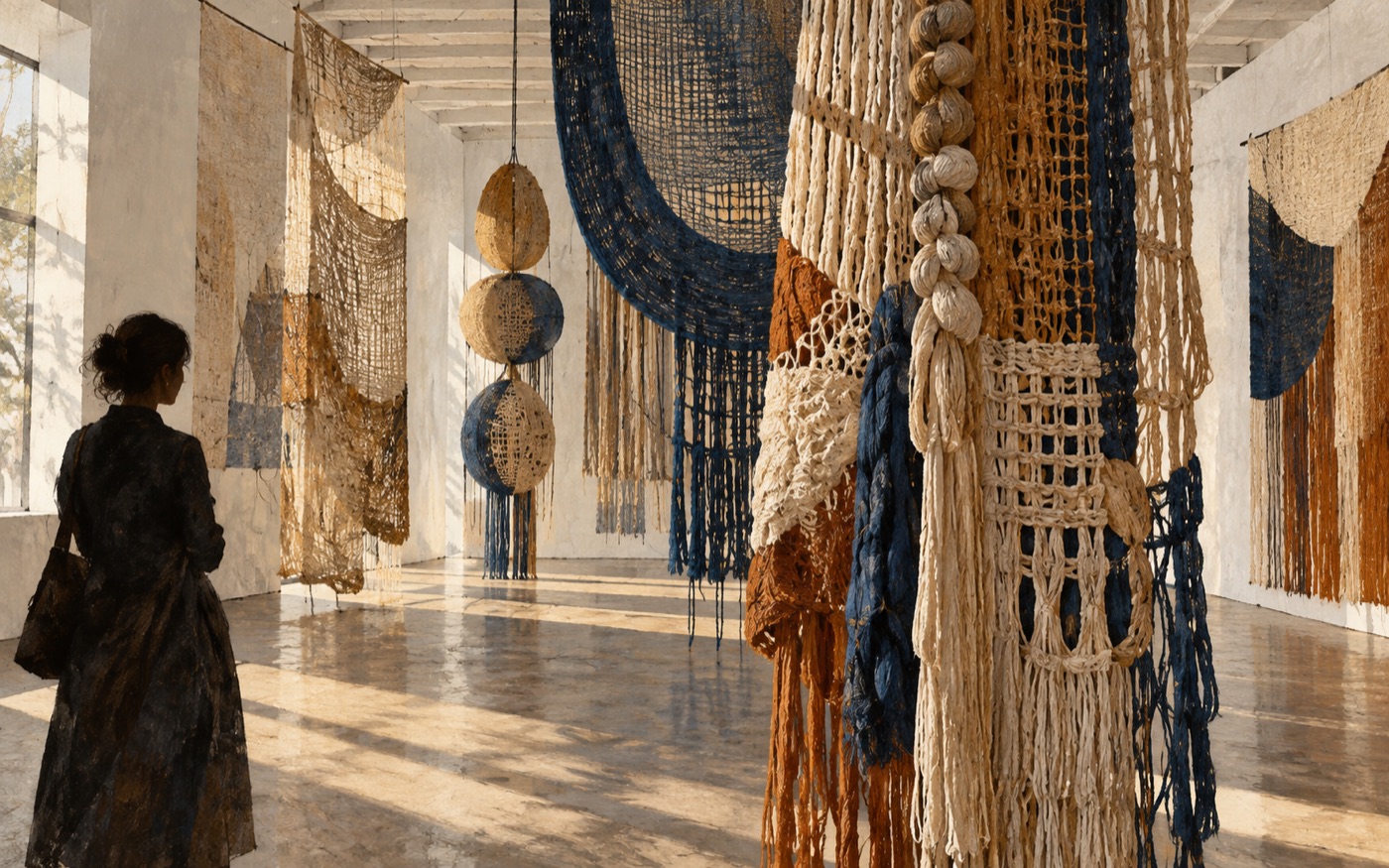
The visual-art showcase Taiwan took to the 2025 Osaka-Kansai Expo has come home. Taiwan Spectrum 2.0, the follow-up to the We TAIWAN cultural program's art strand, opens at the Tainan National Museum on 8 October and runs through 10 January 2027. Organized by the Ministry of Culture and again curated by 林昆穎, the home edition sheds its cultural-diplomacy framing and recalibrates the show for a local audience. The most visible change is a new opening section, Island's Appearance, which greets visitors with something closer to a physical bookshop than a gallery. Some 200 books on Taiwan's history, geography, crafts, children's literature and cross-disciplinary creation were selected by 葉青華, formerly in charge of branding at Eslite Bookstore, and 許懷哲 of the Tainan antiquarian bookshop 憫堂. The premise is that books, as settled deposits of perception rather than sensory stimulation, can lead the journey through the island's imagination. From reading, the exhibition moves to collective making. Artist 賈茜茹's participatory work invites visitors to imagine their own bodies as mountains and seas, leaving silhouettes on the gallery walls that accumulate into a landscape over the run. The multimedia spatial installation by LuxuryLogico returns in a Taiwan-Japan exchange version, tracing a bodily path that encourages visitors to linger. Three continuing sections carry over from Osaka with finer local tuning. Taiwan Colors focuses on the natural-dye practice of 陳景林 and 馬毓秀 and their Taiwan color-spectrum wall, now mounted on stands redesigned by young Chiayi and Tainan architects using local construction methods. Island Soundscape brings together temple culture, dialects and multi-channel electroacoustics, including the electric deity figures, with more exhibits and sharper audiovisual resolution than the Expo version. The result is a deliberate change of viewing context: from speaking to the world abroad to inviting resonance at home.