Policy brief·Lebanon
98% of Shia Shrines Gone: Lebanese Villagers Race to Salvage Their Heritage Under Fire
As war continues in southern Lebanon, local people are scanning old buildings, recording oral histories and rescuing private libraries, while heritage groups report that around 85% of historic buildings in five surveyed villages are already destroyed.
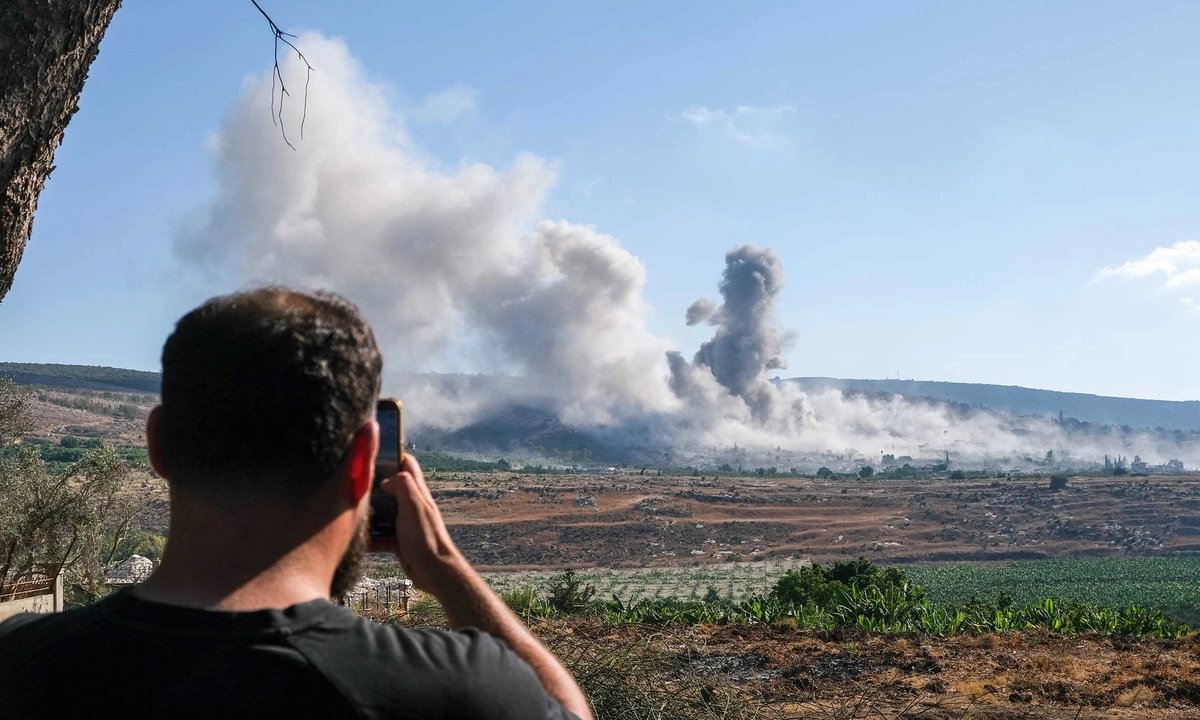
In the village of Zrariyeh in southern Lebanon, Riad Al-Assaad is trying to save what remains of his region's history while strikes continue around him. Working with the culture ministry, he supplies architectural scans of old mosques and houses in border villages, records oral history and is now helping rescue private libraries. In his own village of around 2,000 houses, he counts 65 destroyed in this war and more than 100 damaged, and his father's house was hit twice. Despite a ceasefire agreed in June, Israeli forces still occupy around 600 square kilometres of the south and strikes continue daily.
The most visible heritage is also under threat. UNESCO has granted enhanced protection to 73 sites across Lebanon since 2024, and in July it inscribed the five castles of Mount Amel on its World Heritage List. Three of them — Beaufort, Dubieh and Chama — are under Israeli occupation, and days after the inscription the Israeli military detonated 700 tonnes of explosives about 800 metres from Beaufort. In Tyre, a World Heritage Site since 1984, strikes have damaged columns, mosaics and the site's offices and stores. Ali Badawi, the culture ministry's regional director for the south, says his teams cannot reach the occupied sites and rely on low-resolution satellite images.
Beyond the listed monuments lies heritage on no register: the old houses, mosques, churches and cemeteries of the villages. Biladi, a heritage organisation founded by archaeologist Joanne Farchakh Bajjaly, recorded 389 historical buildings in five villages in 2025 and found around 85% of them destroyed. A wider survey has logged some 850 sites across 105 villages, and the loss of Shia religious sites stands at around 98%. Bajjaly counts 38 villages bulldozed to the ground, while Badawi puts the figure near fifty, and historic cemeteries have been bulldozed too. In Zibqin, known as the village of poets, the team has found around twenty private libraries; the two largest were lost under rubble, one holding some 6,000 books burned by an incendiary bomb, while up to 2,000 volumes are being recovered from another damaged home, cleaned, photographed and catalogued for safekeeping.