Exhibition preview·Rotterdam
A Three-Metre Tongue and Cars That Drive Backwards: Slavs and Tatars Open 'Mouthfool' in Rotterdam
Slavs and Tatars have opened Mouthfool at Rotterdam's Fenix museum, their first major solo show in the Netherlands, turning language, alphabets and folk humour into sculpture, tapestry and a rideable installation. The exhibition runs until 9 May 2027 in the museum's new 650-square-metre gallery.
Slavs and Tatars have opened Mouthfool at Fenix in Rotterdam, the Berlin-based collective's first major solo exhibition in the Netherlands. The show opened on 19 November 2026 and runs until 9 May 2027, and it is the first presentation in the migration museum's new 650-square-metre temporary gallery.
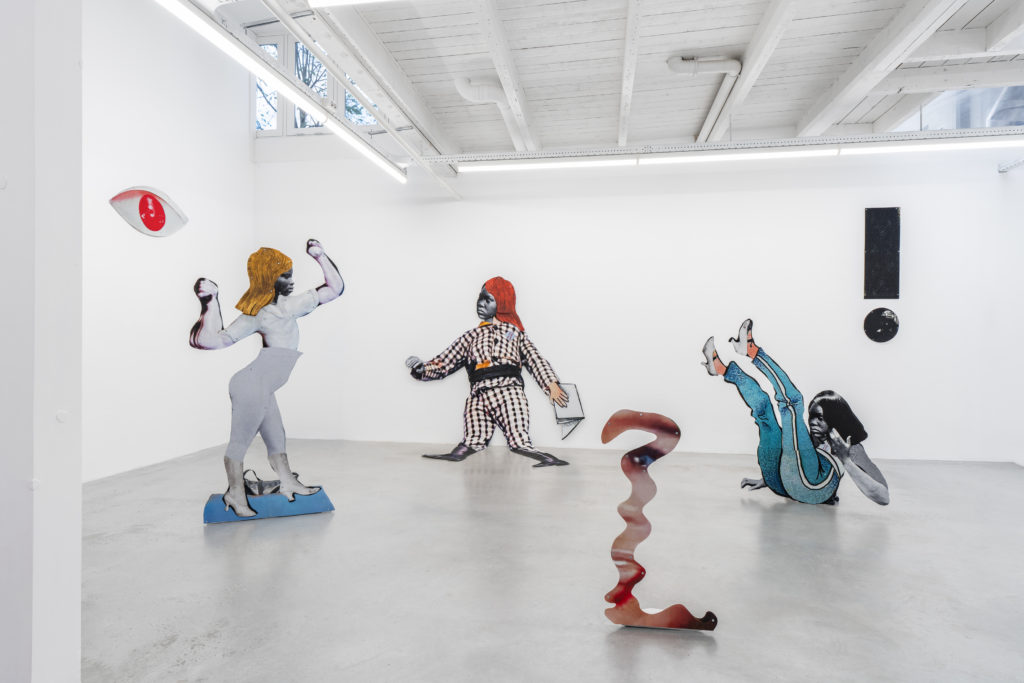
The exhibition treats language as something that migrates. Words, alphabets and sounds travel across borders and generations, picking up new meanings as they go, and the collective follows that movement across the vast territory it has always claimed as its subject, the lands between the former Berlin Wall and the Great Wall of China. A three-metre-high tongue coils around a metal dance pole in Tongue Twist Her, from 2013, while Mother Tongues and Father Throats, from 2012, maps Arabic, Persian, Hebrew and Cyrillic letters onto a diagram of the mouth. A sound installation returns to the alphabet changes imposed across the Soviet sphere.
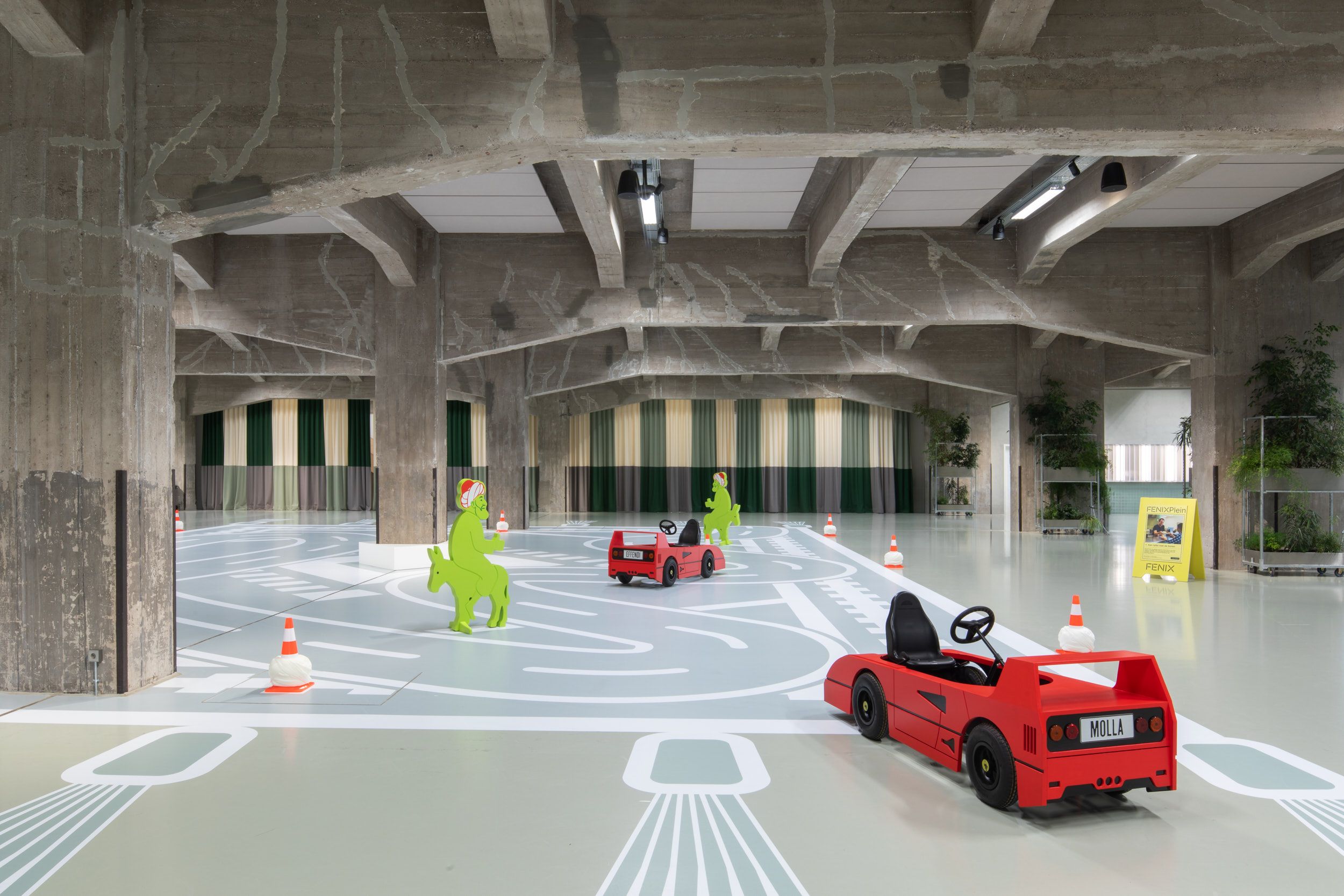
The centrepiece is a new commission made for Fenix. Molla's Reverse Ride fills Plein, the museum's freely accessible indoor square, with bright red pedal karts that travel backwards along a track as visitors pedal forwards. Its inspiration is Molla, the bearded folk trickster also known as Nasreddin, who appears in tales from the Balkans to Morocco and traditionally rides his donkey facing backwards, looking at the past while moving into the future. The joke carries a serious point: humour, for the collective, is a way of handling weighty material without turning solemn.
Slavs and Tatars began as a reading group and still work in that spirit, with Payam Sharifi, Kasia Korczak and designer Stan de Natris sharing the practice. Alongside exhibitions they publish books, give lectures and run a residency for forty young professionals from their region, and they have spoken of wanting to step back so younger practitioners can take more space. Artist talks and short introductions in six languages accompany the show. Fenix occupies a 1923 warehouse built for the Holland-America Line on Rotterdam's former departure quays, a fitting setting for a show about what people carry with them when they move.