Policy brief·Winterthur
Swiss Foundation Opens Nazi-Era Provenance Inquiries into Anker and Riemenschneider Works
The Swiss Foundation for Art, Culture and History has opened provenance investigations into an 1874 Albert Anker painting and a Riemenschneider-workshop sculpture, examining whether either was lost through Nazi persecution between 1933 and 1945.
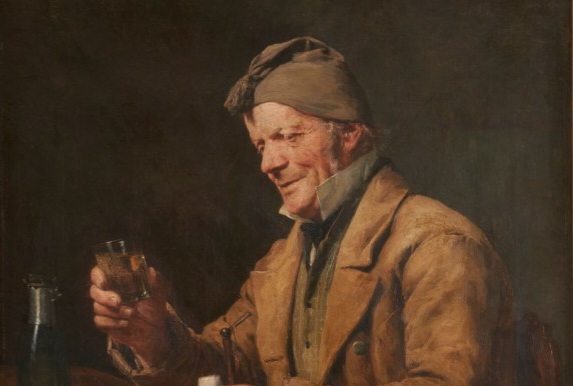
The Swiss Foundation for Art, Culture and History has launched two new proceedings to clarify the provenance of artworks in its collection, an 1874 painting by Swiss master Albert Anker and a Renaissance sculpture attributed to the workshop of Tilman Riemenschneider. The foundation's Independent Commission initiated the proceedings at the end of October, and is investigating whether the objects were seized, sold under duress or lost between 1933 and 1945 as a result of Nazi persecution, and whether heirs of the former owners have valid claims.
The first investigation centres on Der neue Wein I, painted in 1874 by Anker. Evidence suggests the canvas may have belonged to the collection of Erna Marcelina Reder Frenkel and Jacob Reder. The Jewish couple was forced to flee Brussels for the United States in 1939 to escape National Socialist persecution. The commission is actively tracing the artwork's chain of ownership during the war years to determine whether a persecution-related loss occurred. Should the investigation confirm a forced sale or seizure, the commission said it will work towards a just and fair solution with the legal heirs.
The second inquiry involves Heiliger Johannes, a lime-wood sculpture created between 1510 and 1520 and attributed to the workshop of German Renaissance sculptor Tilman Riemenschneider. The piece has been held in the foundation's collection since 1993. The commission has not yet released specific details about the sculpture's historical ownership, but this case marks the fifth formal provenance investigation launched by the Swiss foundation to date.
The Winterthur-based foundation's move reflects a broader shift among European collections towards proactive provenance research rather than waiting for claims to arrive. By opening proceedings on its own initiative and publishing the names of the former owners it has identified, the foundation is putting its own holdings under scrutiny, and setting a standard other Swiss institutions are likely to be measured against.