Profile·Oslo
Seth Price on keeping art playful: Oslo interview traces a film reworked for 19 years
In a Kunstkritikk interview tied to an Oslo screening of his ever-evolving film Redistribution, Seth Price discusses editing as play, chance, professionalism and why he keeps remaking a work that began as a 2007 Guggenheim lecture.
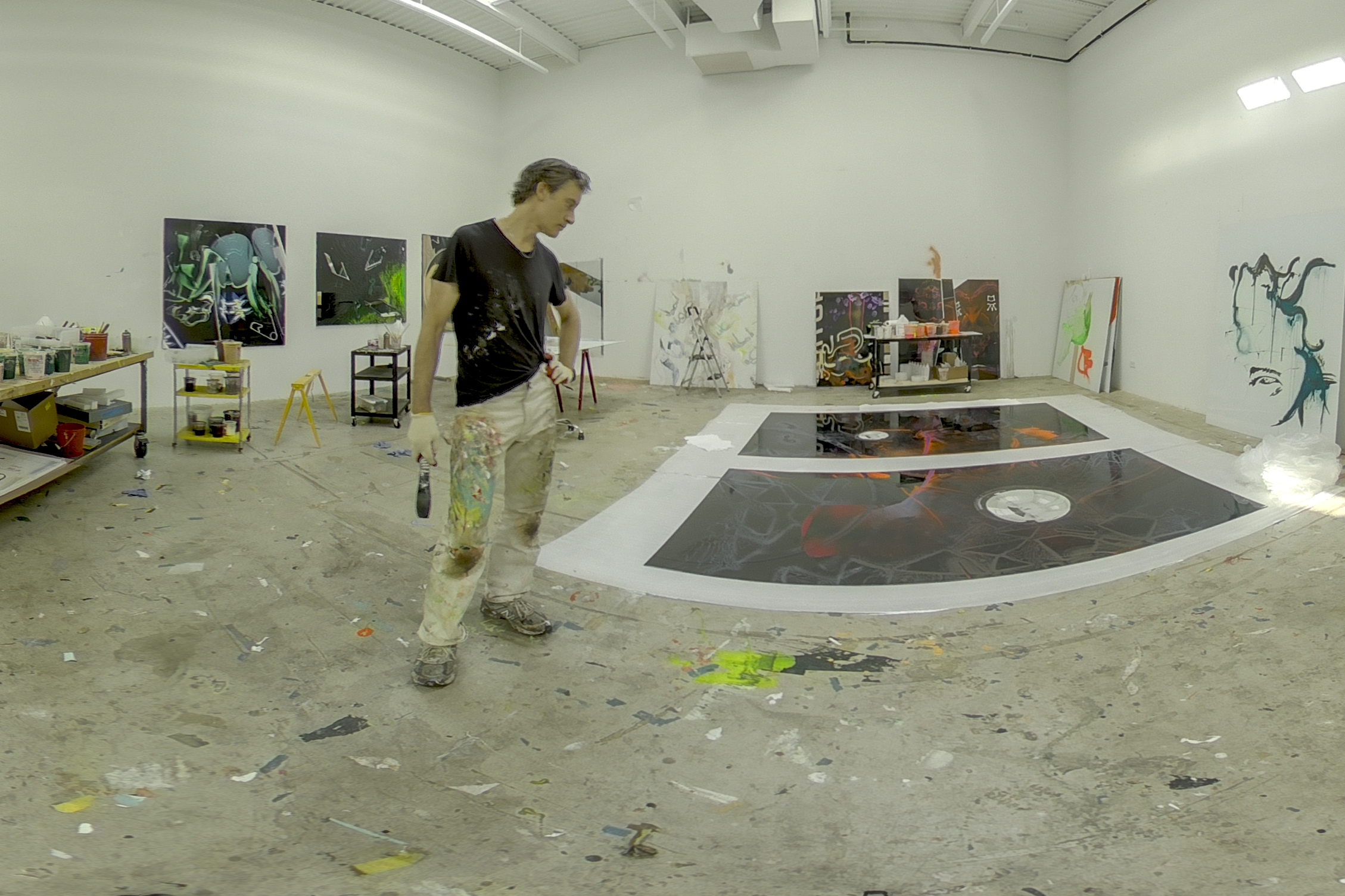
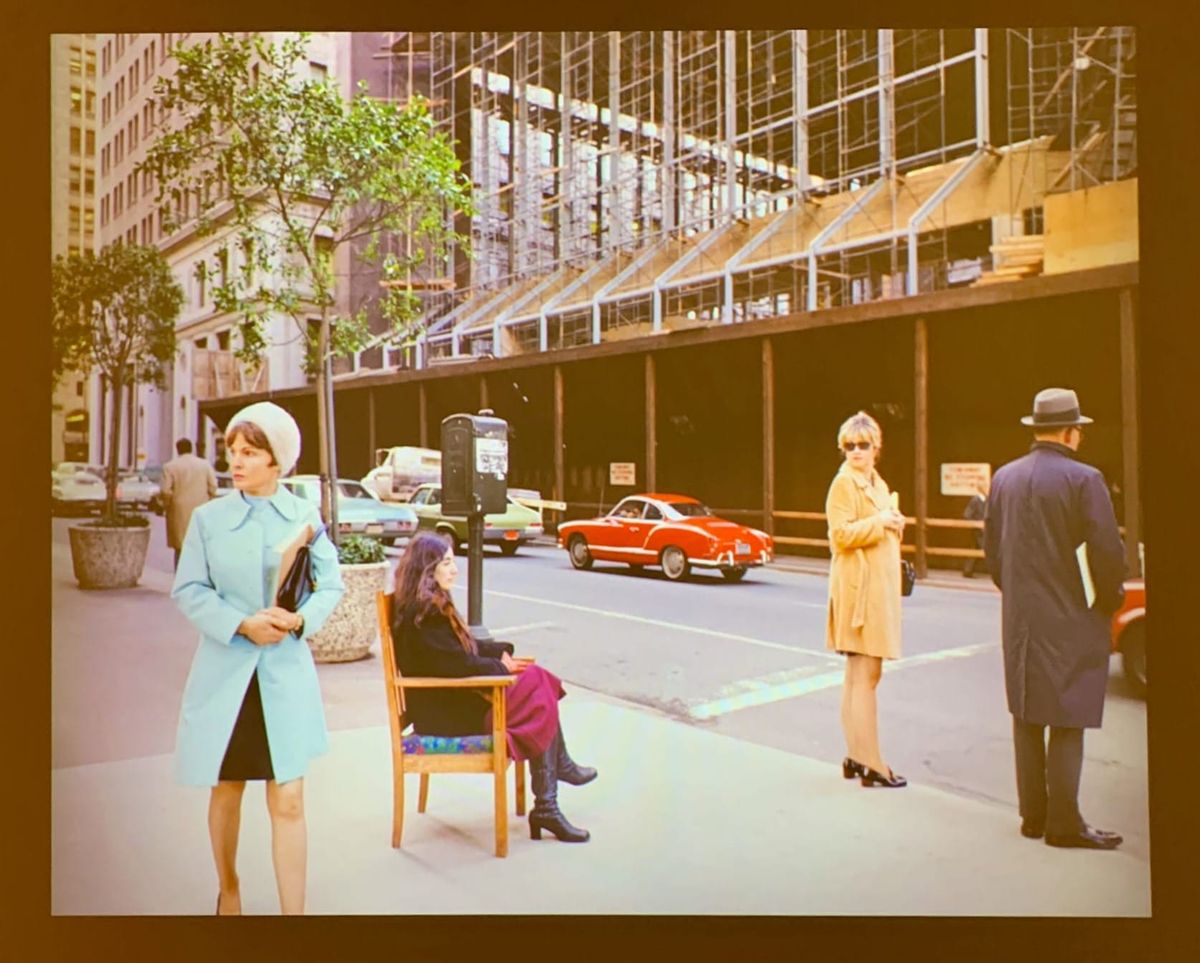
American artist Seth Price has spent nearly two decades reworking a single film, and a new interview published by Kunstkritikk catches him reflecting on why he keeps returning to it. The conversation took place during a recent visit to Oslo, where his ongoing film Redistribution was screened at Cinemateket as part of a new programme of artists' film and video organised by Abirami Logendran. The film began life as a slide lecture delivered at the Guggenheim Museum in New York in 2007 and has since been re-edited into eleven versions, absorbing writing, music, photographs and footage as it grows.
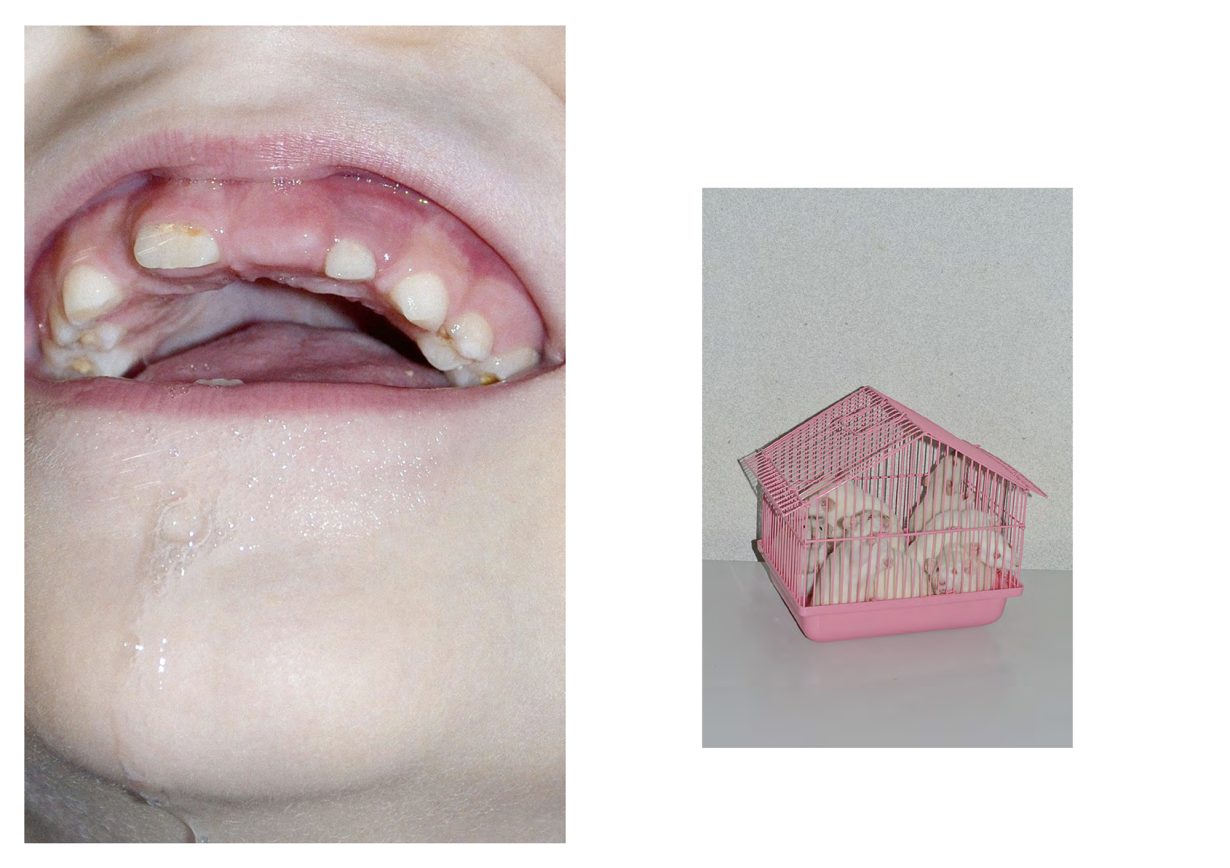
Price is known for refusing to settle into one medium. Alongside paintings and sculptures made from plastic, his output includes the widely read essays Dispersion from 2002 and Machine Time from 2022, an all-white clothing collection inspired by military garments made for Documenta 13, a database profiling thousands of art collectors, an attempt to erase himself from the internet, and an autofictional novel published in 2015. In the interview he frames that restlessness as a matter of pleasure rather than provocation: staying curious about unfamiliar tools and forms is what keeps the work alive for him.
The discussion ranges across the practical and philosophical sides of that approach. Price describes editing as a sensual, rhythmic activity shaped by his experience making music mixes, where the cut between one energy and another matters more than any fixed plan. He talks about chance procedures and Duchamp, about how the art world's focus on predictable outcomes can squeeze out experimentation, and about treating technology simply as whatever tool happens to be lying around, from early video editing software in the 2000s to grape vines he worked with during lockdown.
Redistribution answers that pressure on its own terms, mixing diaristic material with staged and impersonal footage, including sections redubbed by a voice actor, so that the personal and the constructed sit side by side. For Price, that tension is the point: art is a way of staying with a question about meaning, doubt and experience, rather than settling it.