Policy brief·Birmingham
Birmingham Civil Rights District Glows Nightly as Artwork Answers the Erasure of Black History
A new participatory artwork, The Sacred Ordinary, lights up Birmingham's Civil Rights District every night until 13 December, inviting visitors on a scavenger hunt through a neighbourhood whose history federal orders have tried to strip from public signage.
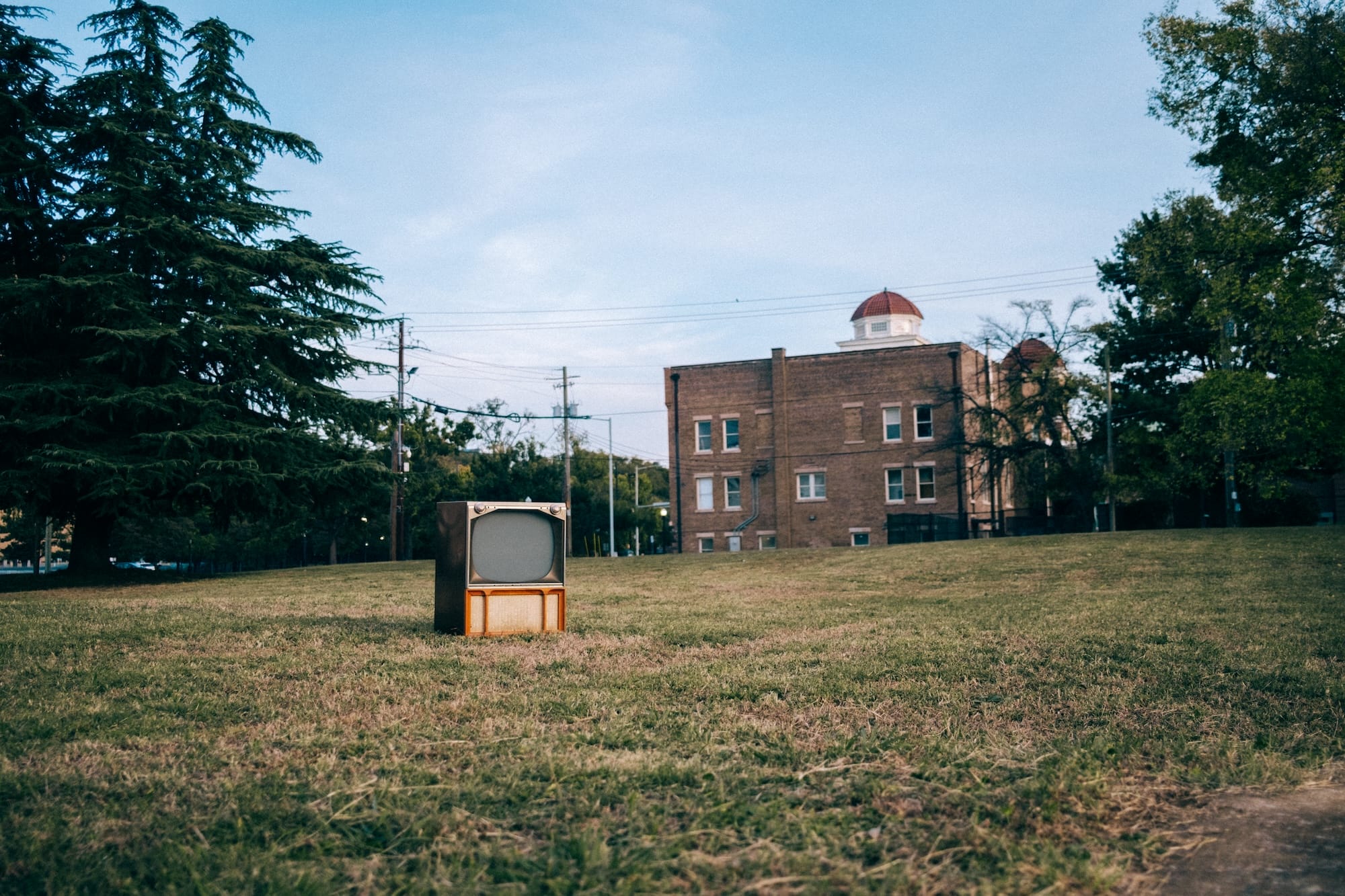
Every night until 13 December, a stretch of Birmingham, Alabama, is glowing with a quiet act of defiance. The Sacred Ordinary, a participatory artwork organised by the Birmingham production studio 1504, has taken over the city's Civil Rights District, turning its streets into a scavenger hunt that asks visitors to look closely at the ordinary objects and places around them.
The work is presented with the National Parks Conservation Association, and it arrives as a direct answer to a federal order issued in early 2025 that required the National Park Service to remove signage referring to slavery, the LGBTQ+ community and climate change. The Birmingham district, formally designated a national monument, is made up of neighbourhoods that Black residents historically called home, where Jim Crow laws enforced segregation until the 1960s. By day the installation is deliberately unassuming, built from vintage, everyday objects that passers-by might walk past without a second thought.
After dark it comes alive. Visitors are prompted to enter the year stamped on each unit, and between 5 and 8pm a sequence of texted prompts doubles as a multimedia self-guided tour of the district, opening with narration by actor André Holland. Guided walks and further programmes run alongside the nightly display.
The installation is dedicated to Joe Minter, the Birmingham-based artist who played a central role in preserving a historic theatre in nearby Bessemer. In a city where the physical traces of the civil rights movement are part of the streetscape, the project treats attention itself as the medium: the history is still there, in the buildings and the objects, if people are given a reason to stop and look.