Exhibition preview·London
The RA Bottles 90 Years of Riviera Light, From Monet's Antibes to Klein's Blue
The Royal Academy has opened 'Painting the French Riviera', a major exhibition of more than 160 works tracing how the Cote d'Azur shaped modern art from the 1870s to the 1960s. Running 2 October 2026 to 31 January 2027, it travels to the Cleveland Museum of Art afterwards.
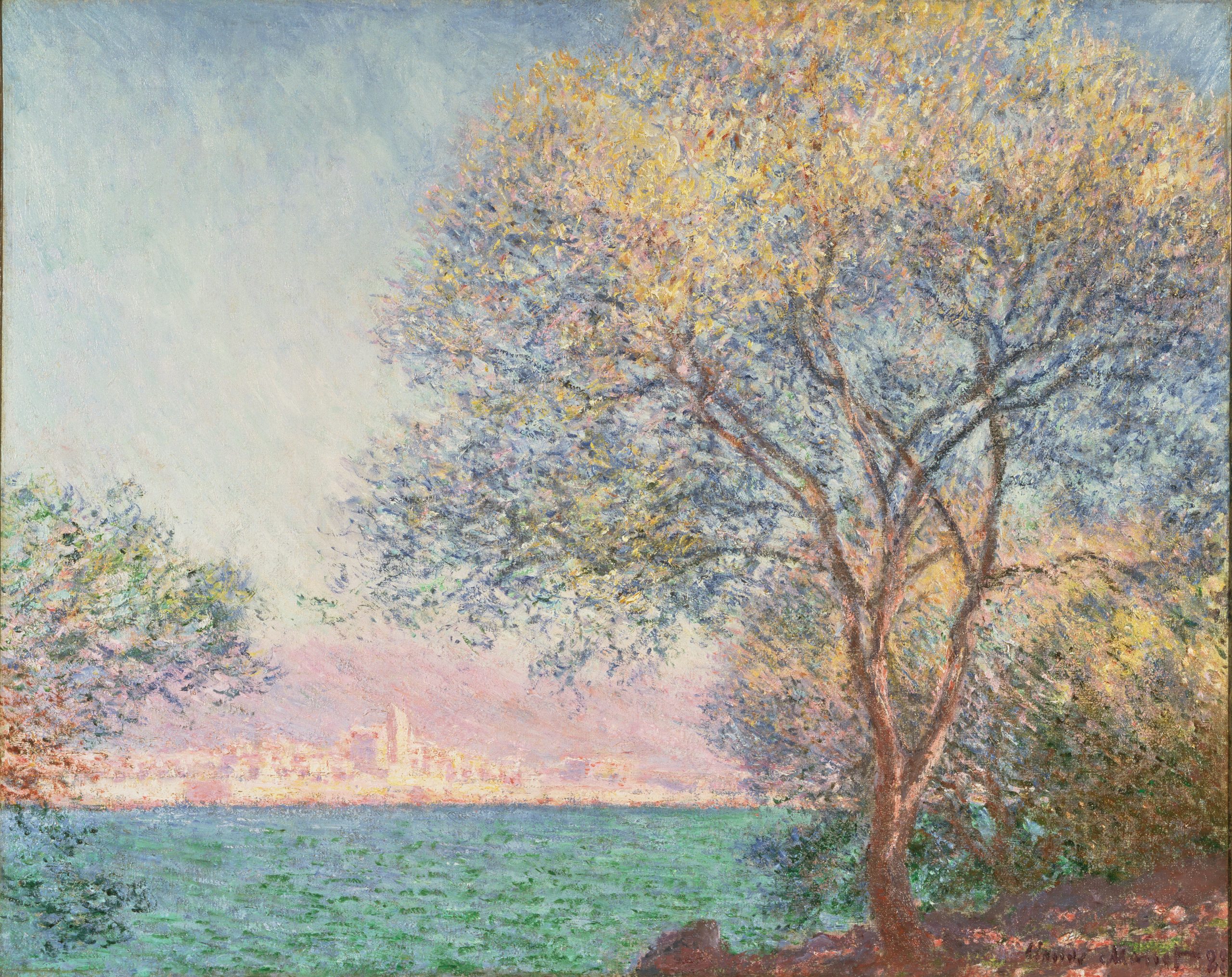
The Royal Academy of Arts has opened a sweeping account of how the French Riviera helped invent modern art. 'Painting the French Riviera' opened on 2 October 2026 in the Main Galleries at Burlington House and runs to 31 January 2027, bringing together more than 160 paintings, sculptures, travel posters and films spanning the 1870s to the 1960s. The exhibition follows the arc of artists heading south in search of brighter light and a different way of seeing. Monet, who arrived on the Riviera in the 1880s and found a landscape of extraordinary luminosity, appears alongside works made around Bordighera, Cap Martin and Antibes. Cezanne, Renoir and Berthe Morisot were also drawn to the coast, while the Neo-Impressionists Signac, Henri-Edmond Cross and Theo van Rysselberghe pushed colour further through pointillist experiments. Later chapters take in Matisse in Nice, Bonnard in Le Cannet and Picasso's work with ceramics. One room is given over to the Riviera's afterlife in popular culture, with posters, books and films about life on the coast, from F. Scott Fitzgerald's 'Tender Is the Night' to Hitchcock's 'To Catch a Thief'. The show closes with the abstract seascapes of Nicolas de Stael and Yves Klein, whose saturated blues carry the exhibition's story into the postwar era. Organised by the Royal Academy in collaboration with the Cleveland Museum of Art, the exhibition will travel to the United States after its London run, opening in Cleveland in March 2027. Early reviews have praised its sheer visual pleasure while debating whether its sunlit escapism engages enough with the social realities beneath the glamour.